Balsall Common u3a 6 day Holiday to Northern Ireland
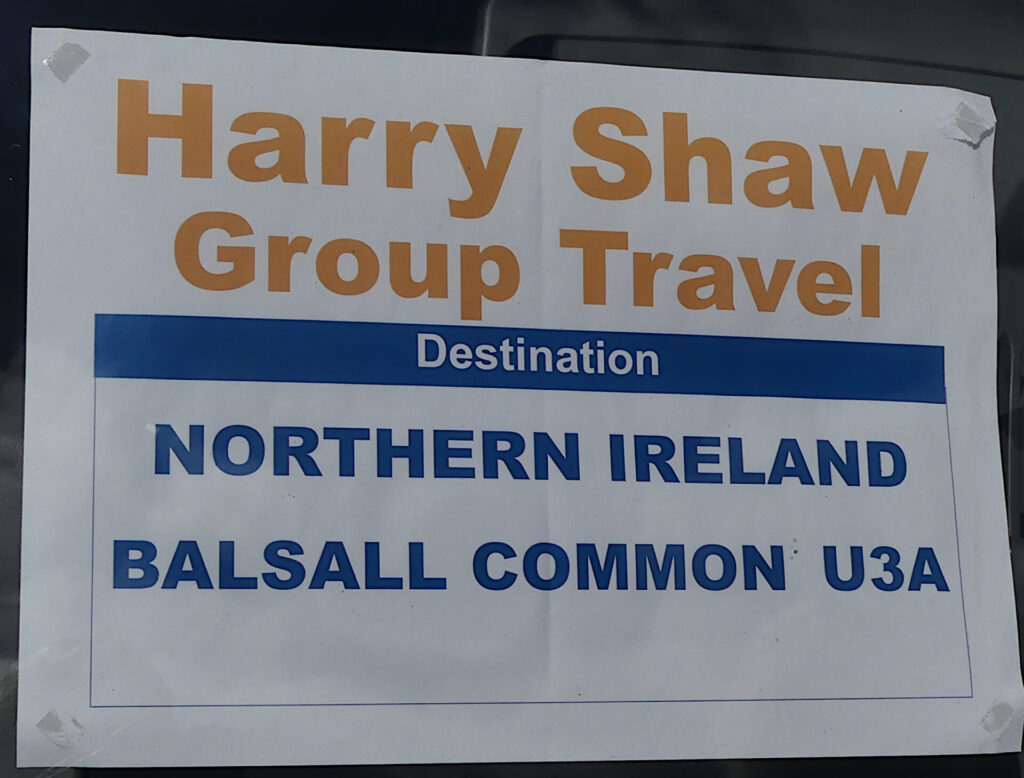
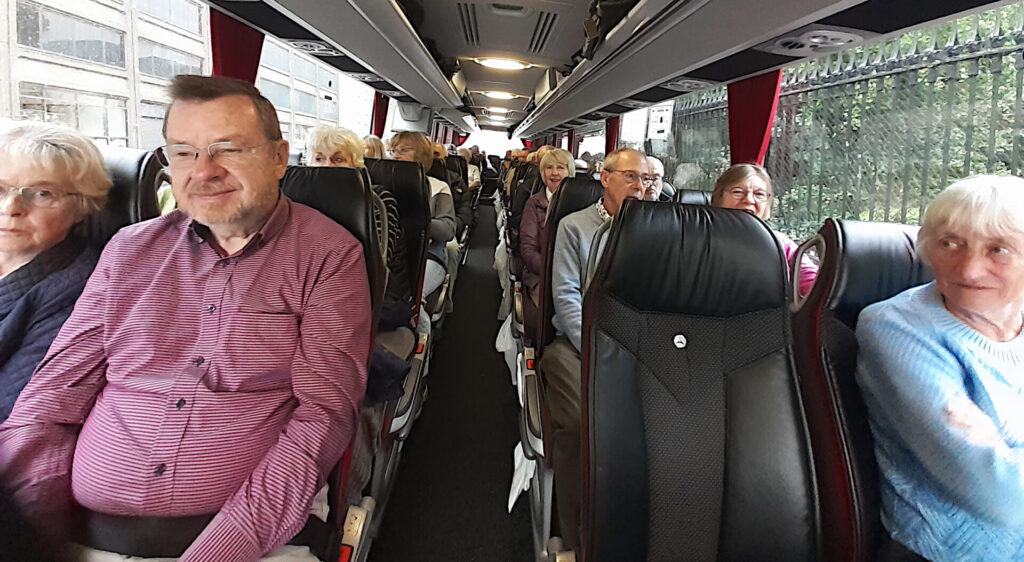
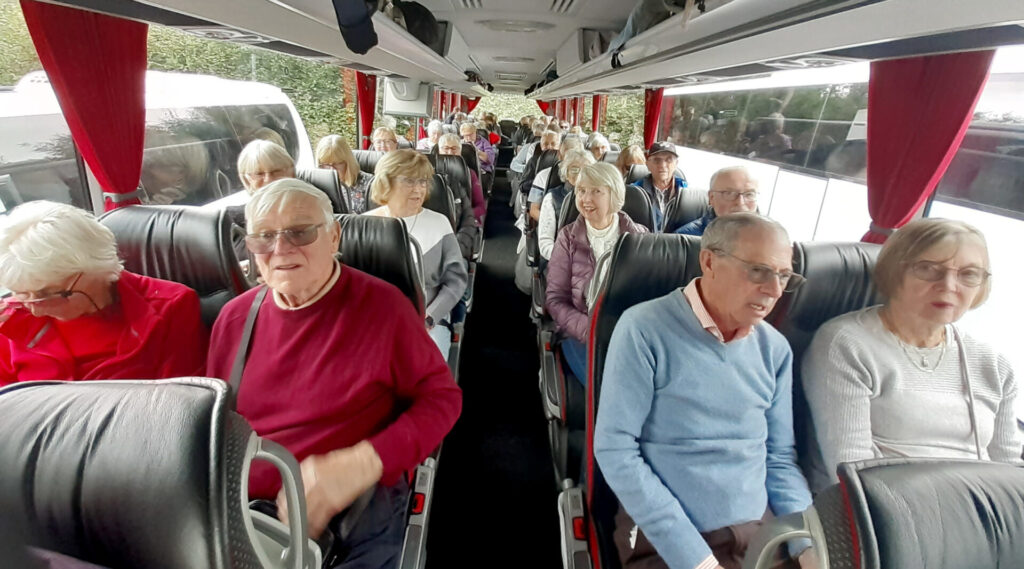
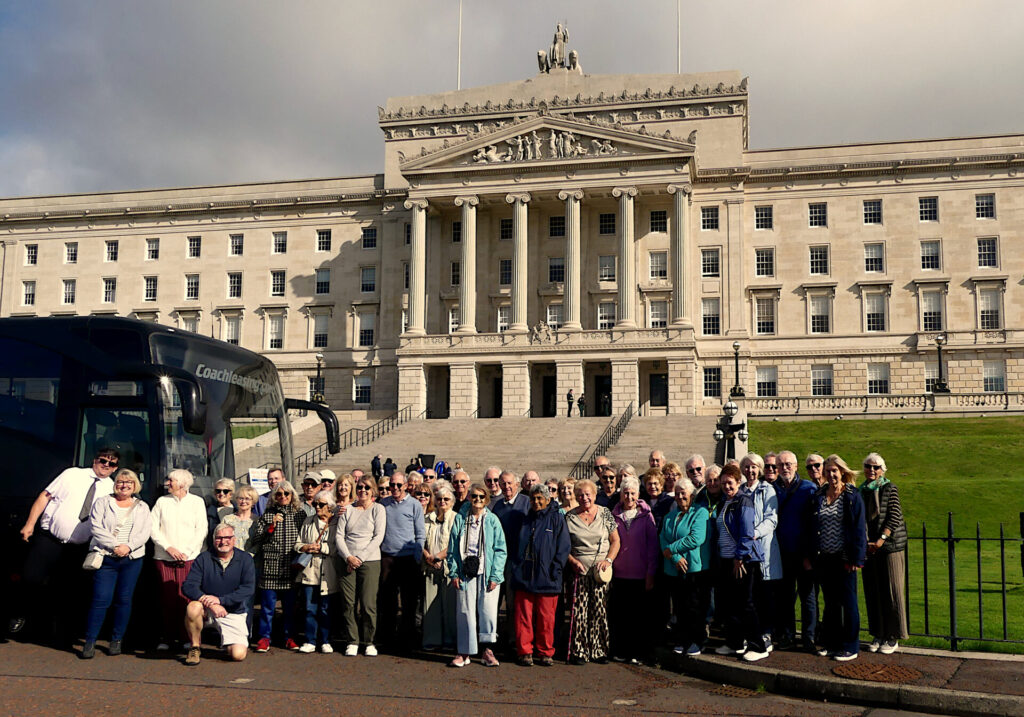
At 08:30 on Sunday 13th of September 2026 52 members of the u3a boarded a coach outside the library for a trip to Northern Ireland
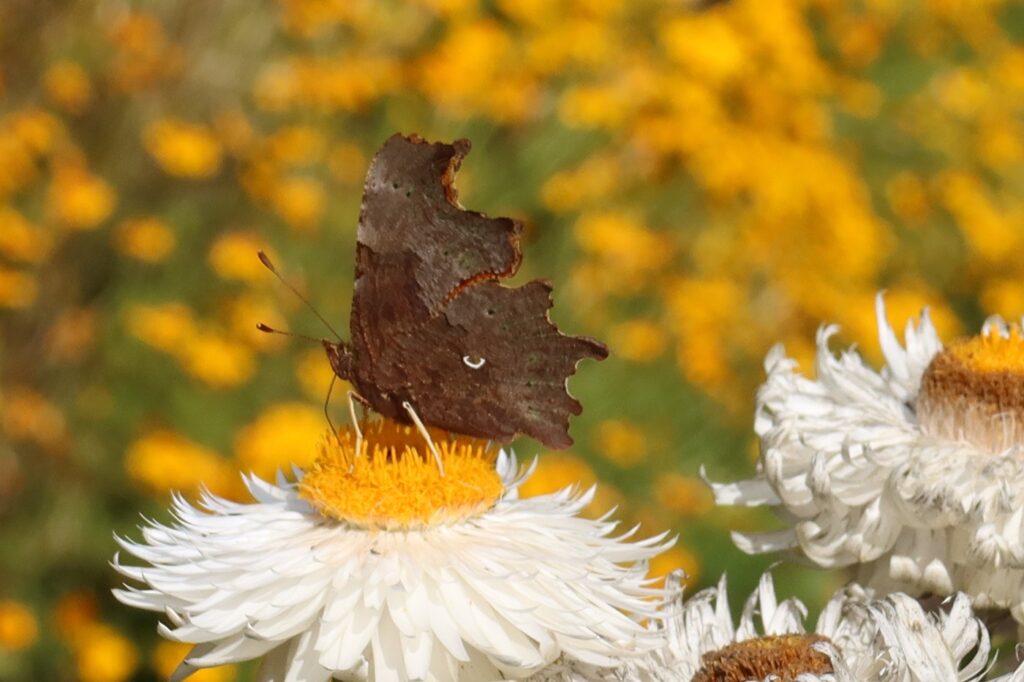
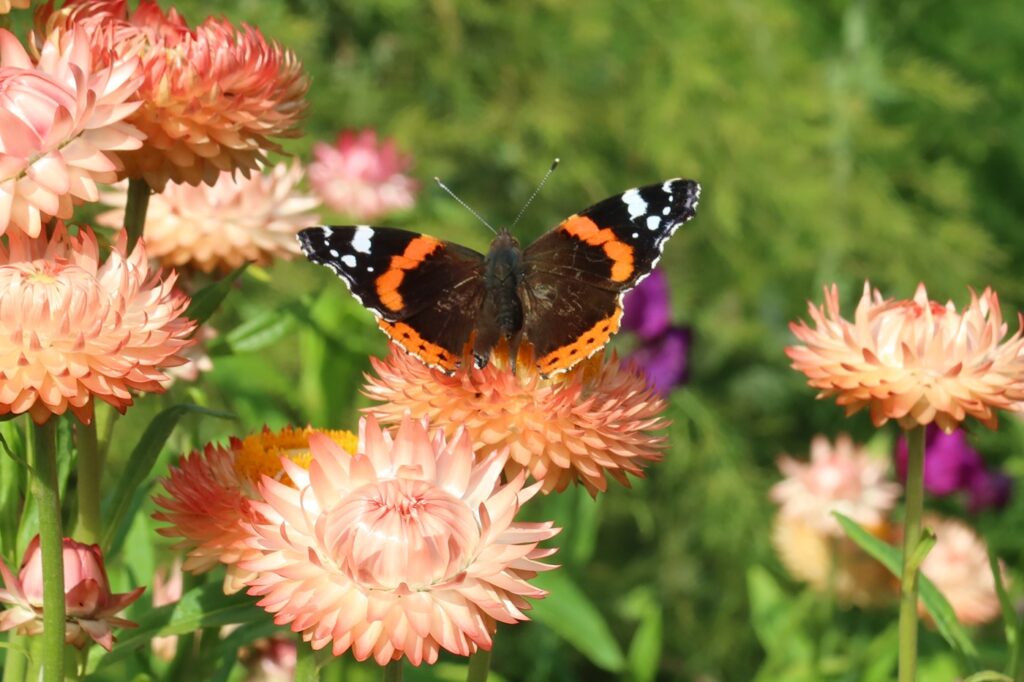
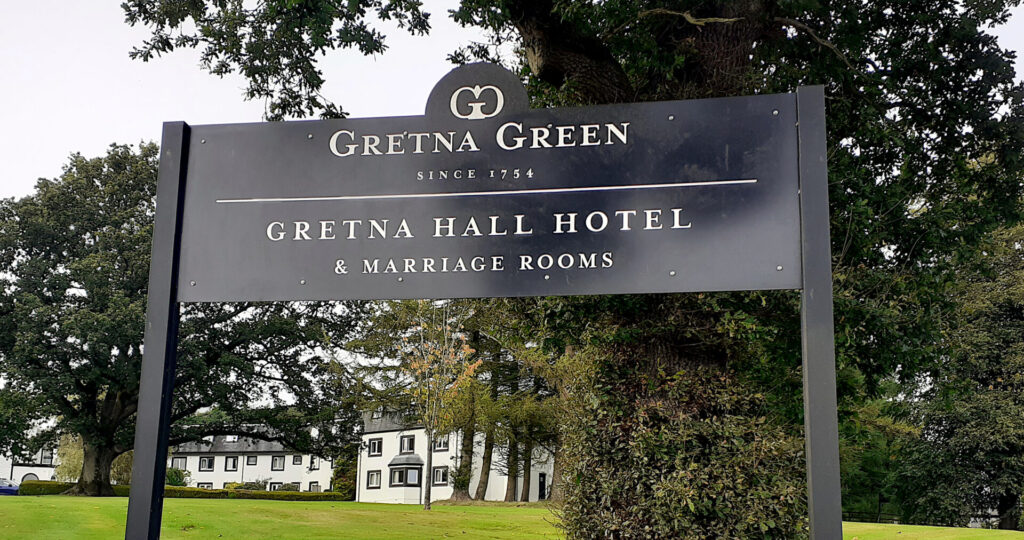
On the first day we travelled up the M6 motorway. After a comfort stop we arrived at Sizergh Castle a National Trust property near Kendal, Cumbria. A medieval manor filled with items collected by 26 generations of the Strickland Family. After suitable refreshments we continued our journey to Gretna Green and an overnight stop at the Gretna Hall Hotel.
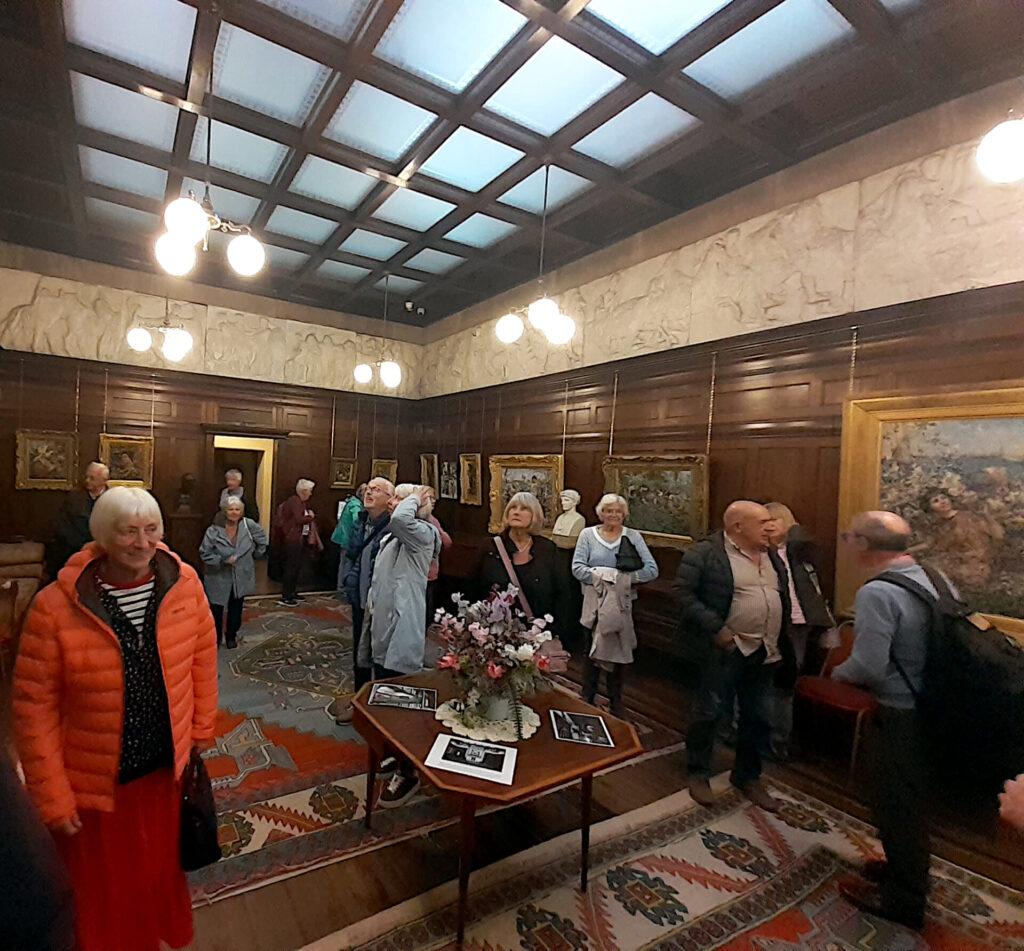
On Day 2 we rejoined the coach after a full breakfast and began our journey to the port of Cairnryan. The journey was broken in Kirkcudbright where we visited the small Scottish National Trust of Broughton House and Gardens. A very short walk from here was the water front of Kirkcudbright and a number of cafes.
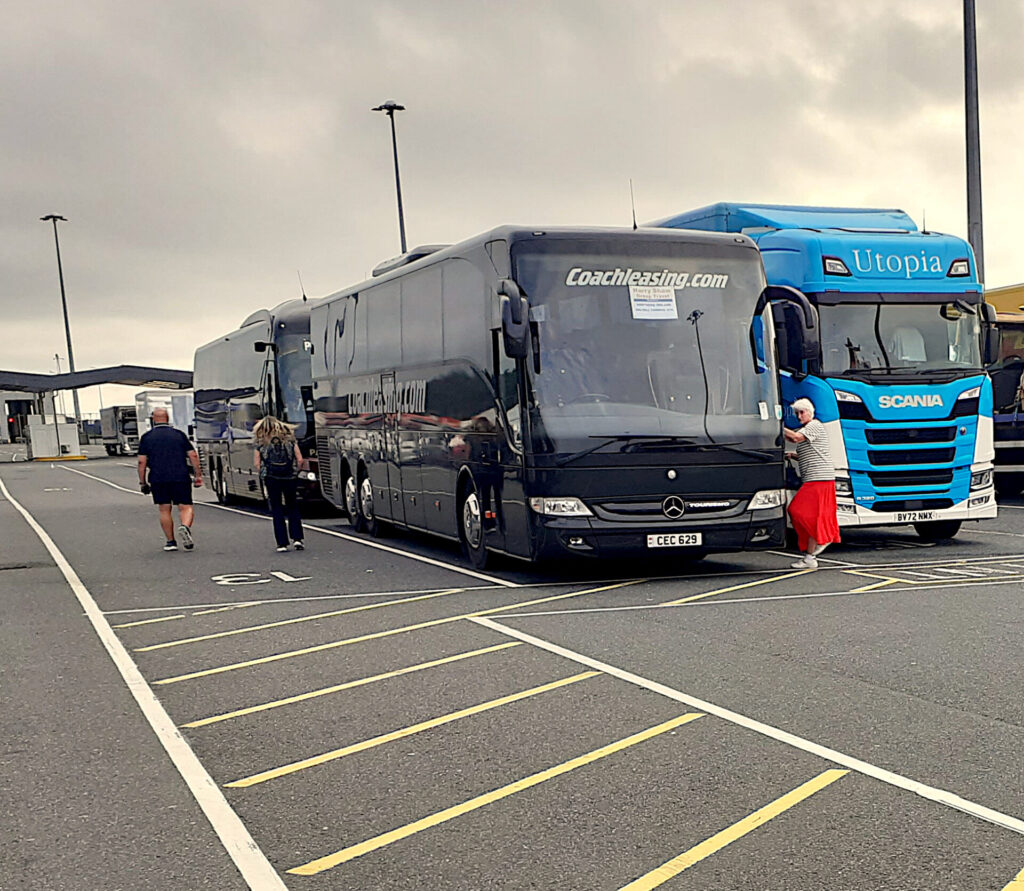
We arrived at the Stena Line ferry port and went through the security procedures. Three members were called of the coach and their cases were searched and they were matched to the Ships Manifest. A further three were selected off the coach and subjected to a search of the hand luggage and body scan. We were released and boarded the ferry.
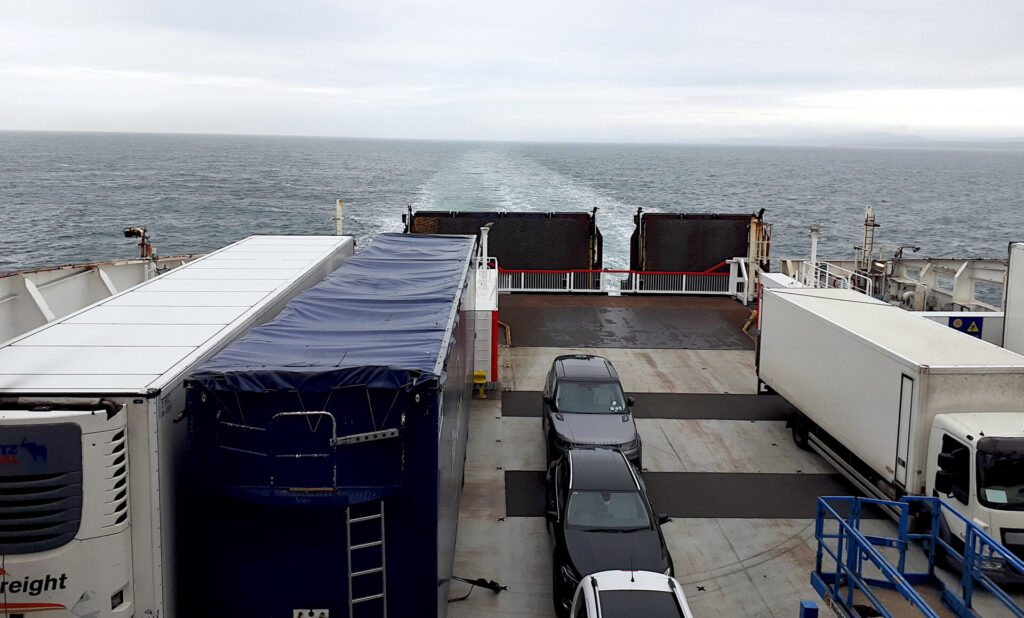
The smooth crossing took 2¼ hours. When we disembarked we were driven to the Corr’s Corner Hotel on the outskirts of Belfast, which would be our accommodation for the next three nights.
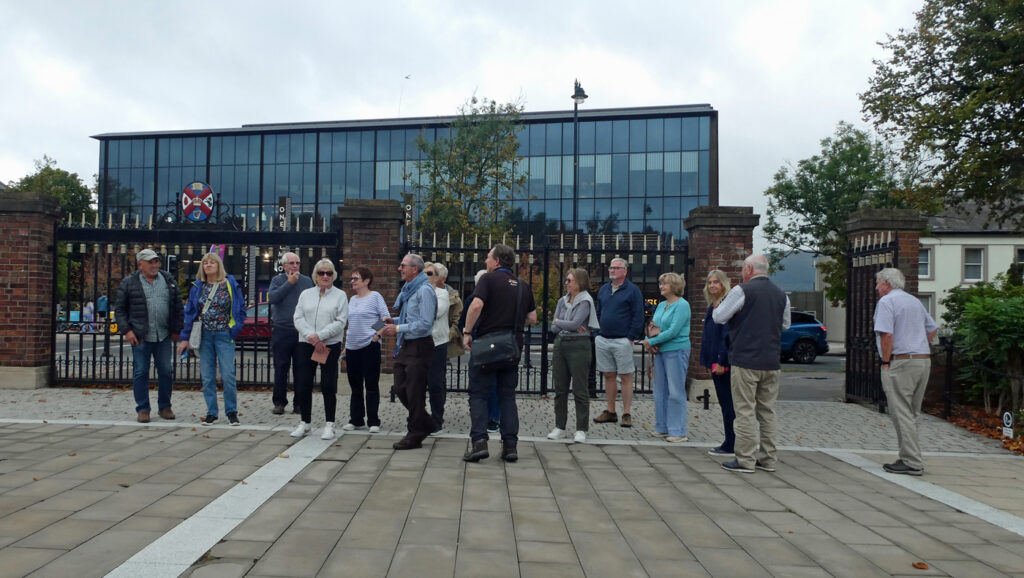
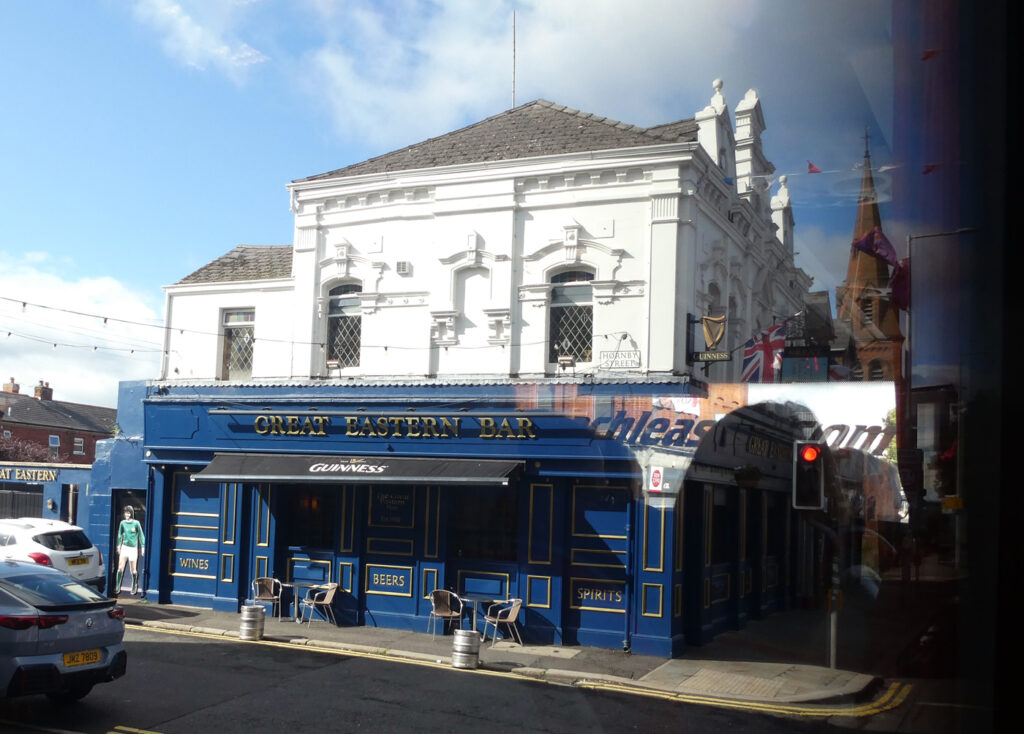
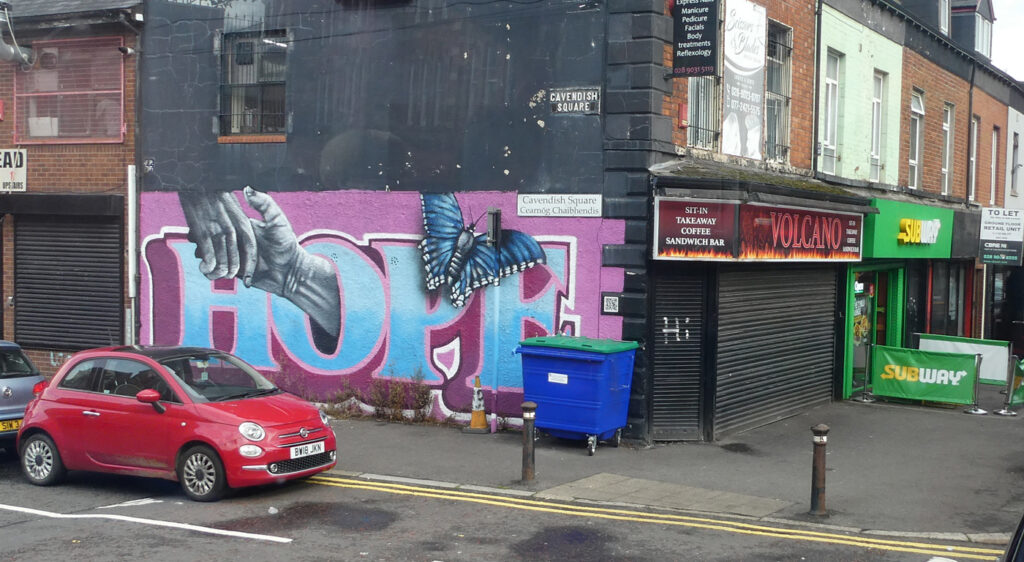
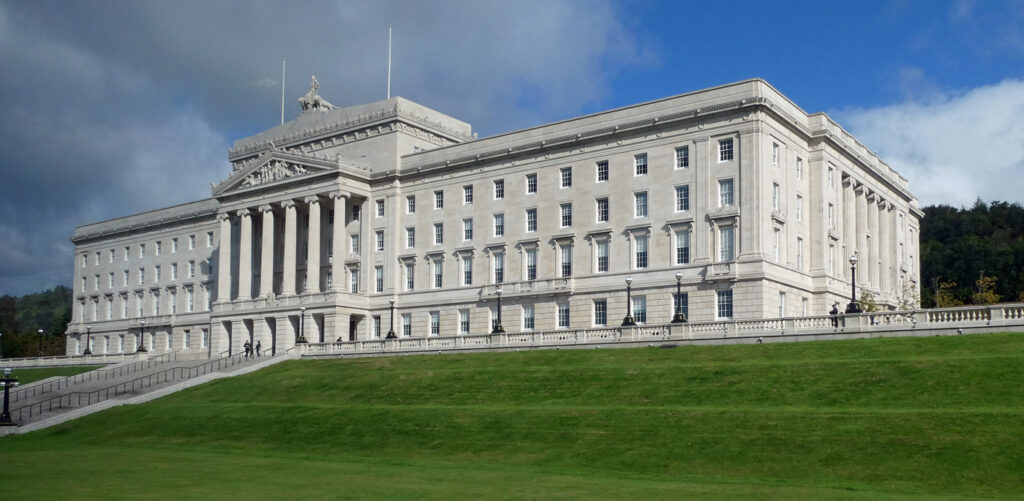
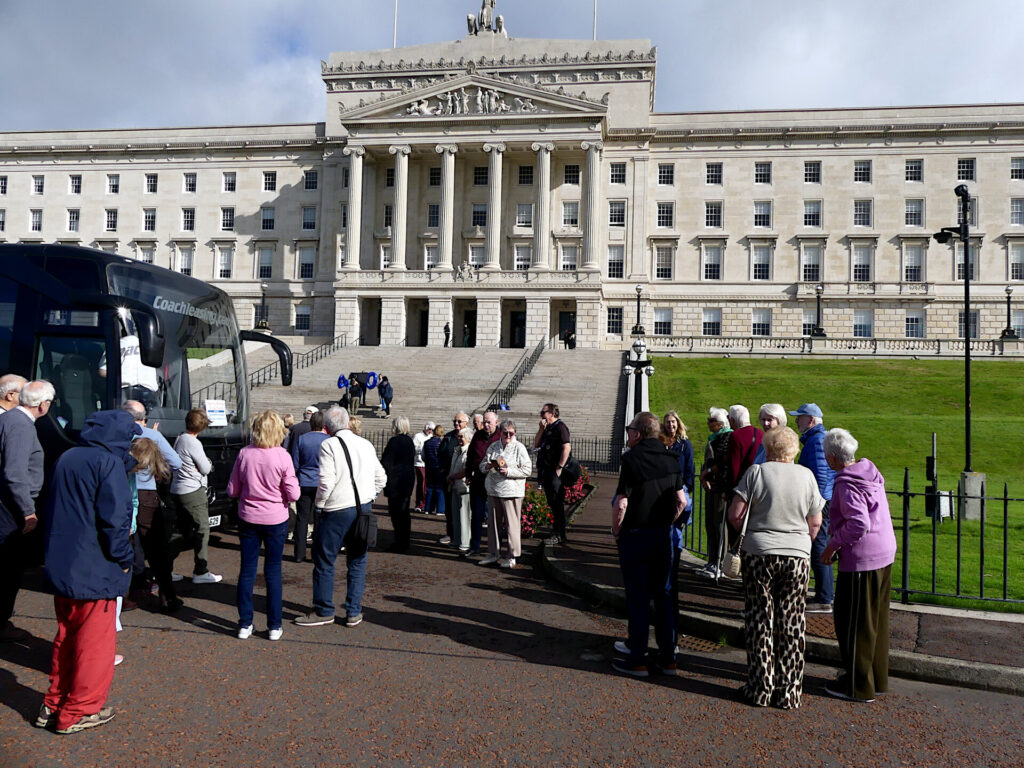
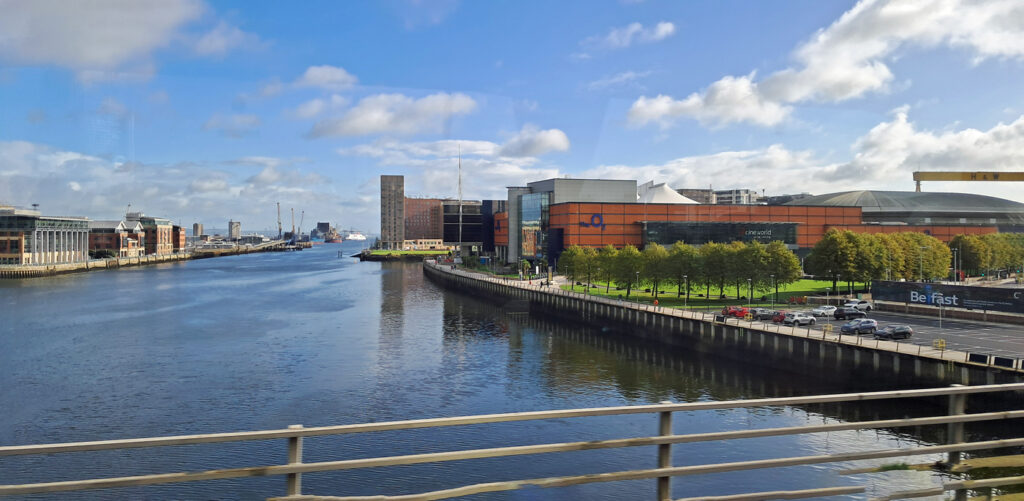
On Day 3 we picked up a local guide in Belfast - Donal Kerry who on the coach took us around the city pointing out the places of interest. WE visited the magnificent Stormont Buildings, the main parliamentary building of the Northern Ireland Assembly.
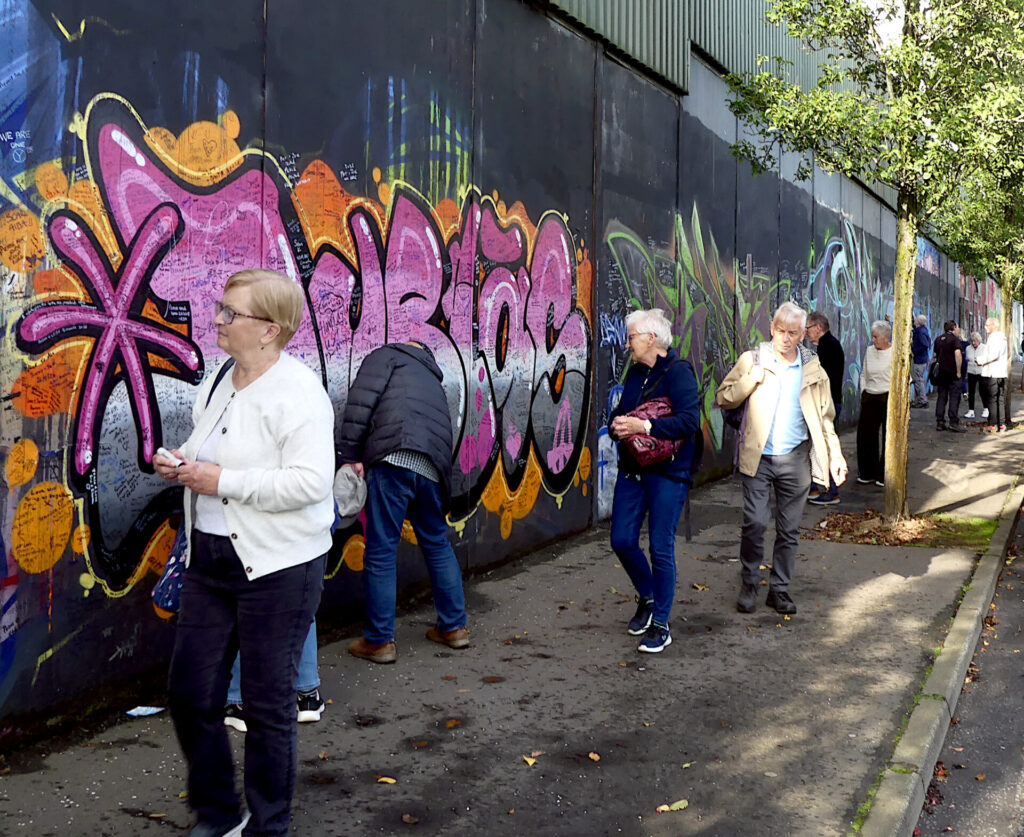
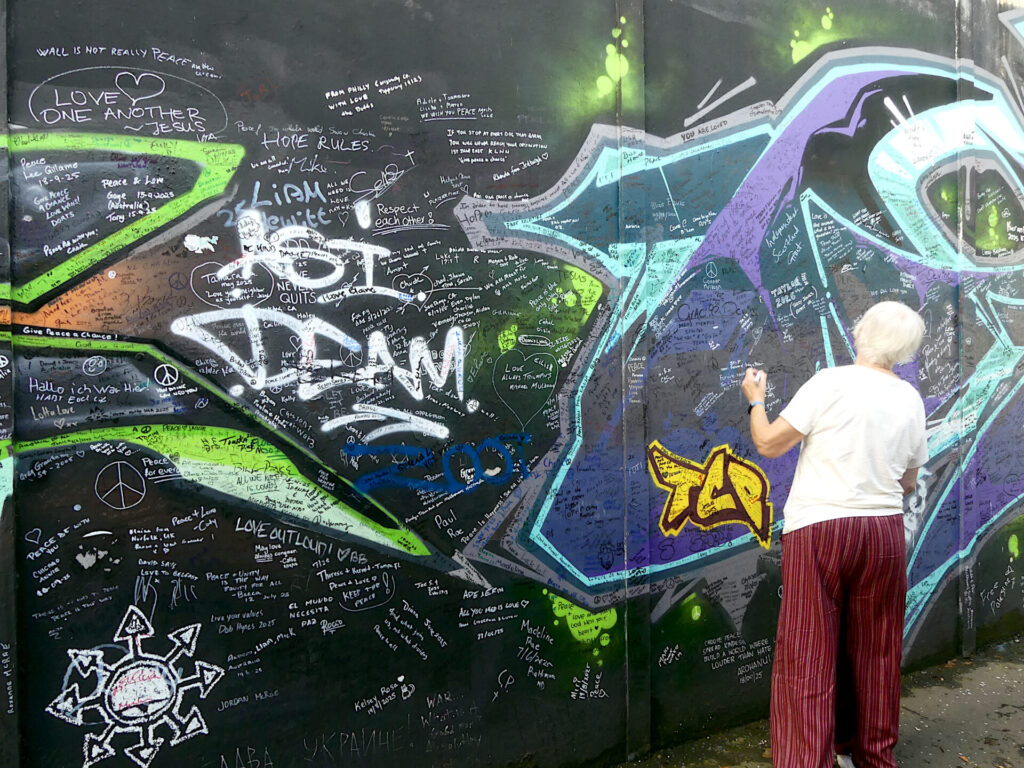
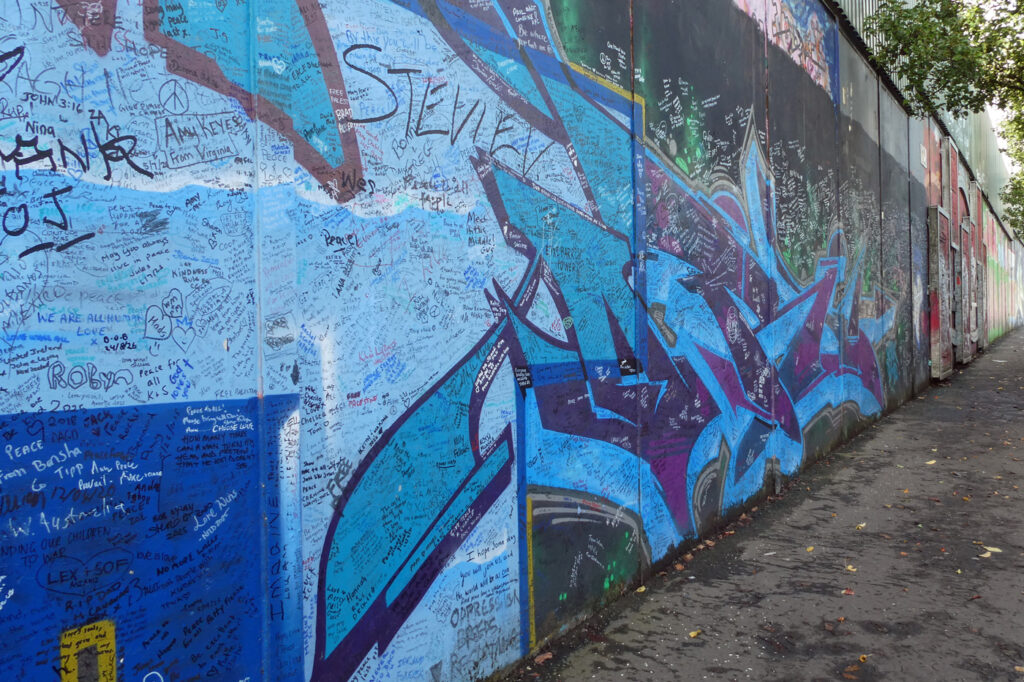
We also visited the key places we had all heard of during the Irish troubles. Mainly in the west and north of Belfast. We drove along Falls Road, Shanklin Road, saw Crumlin Road Gaol. We stopped at one of the peace walls and several members wrote peace messages on the wall.
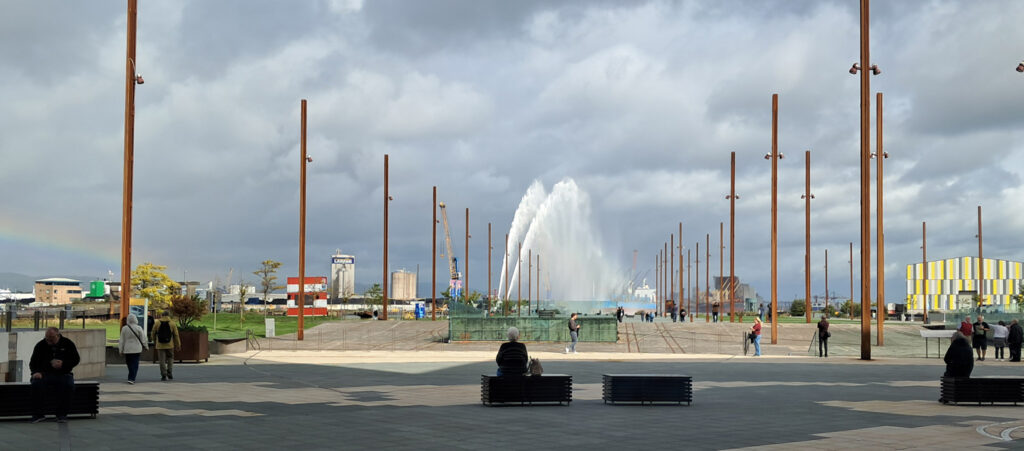
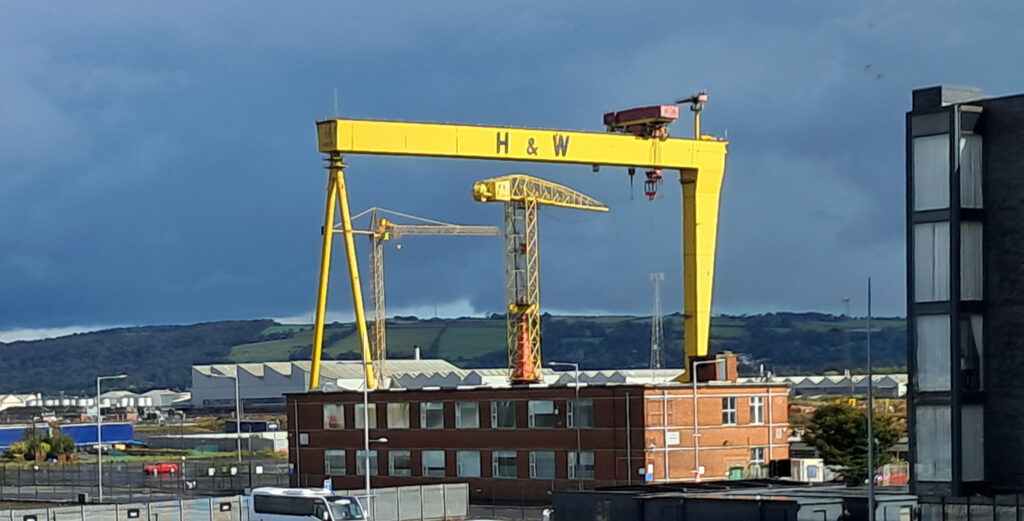
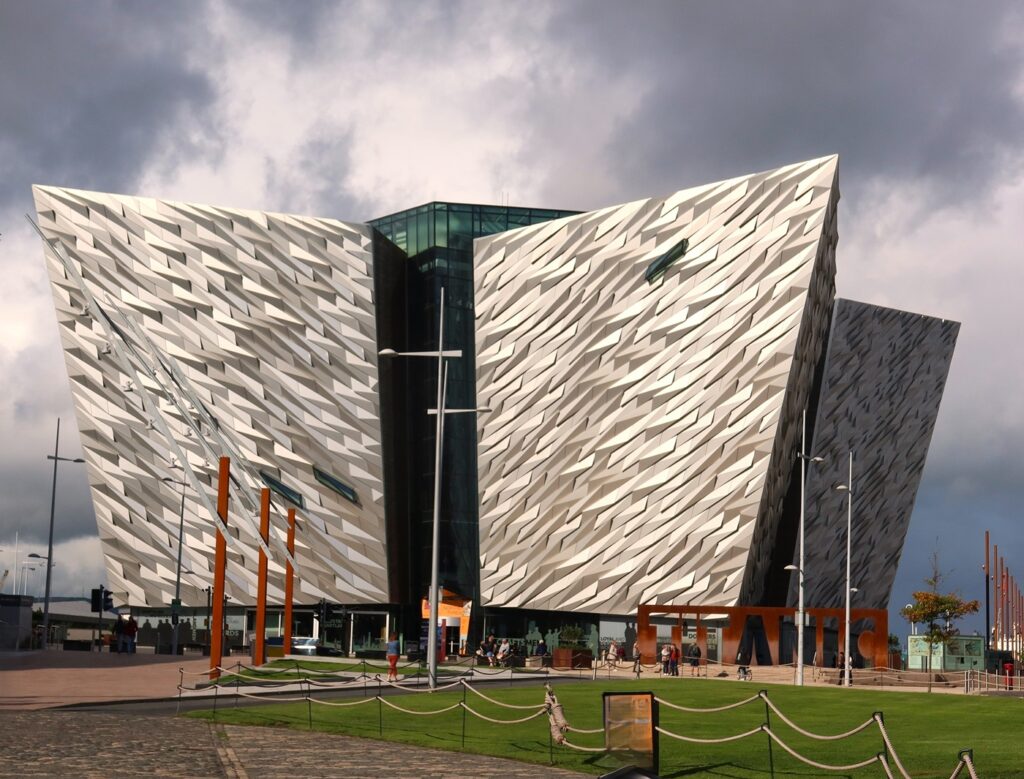
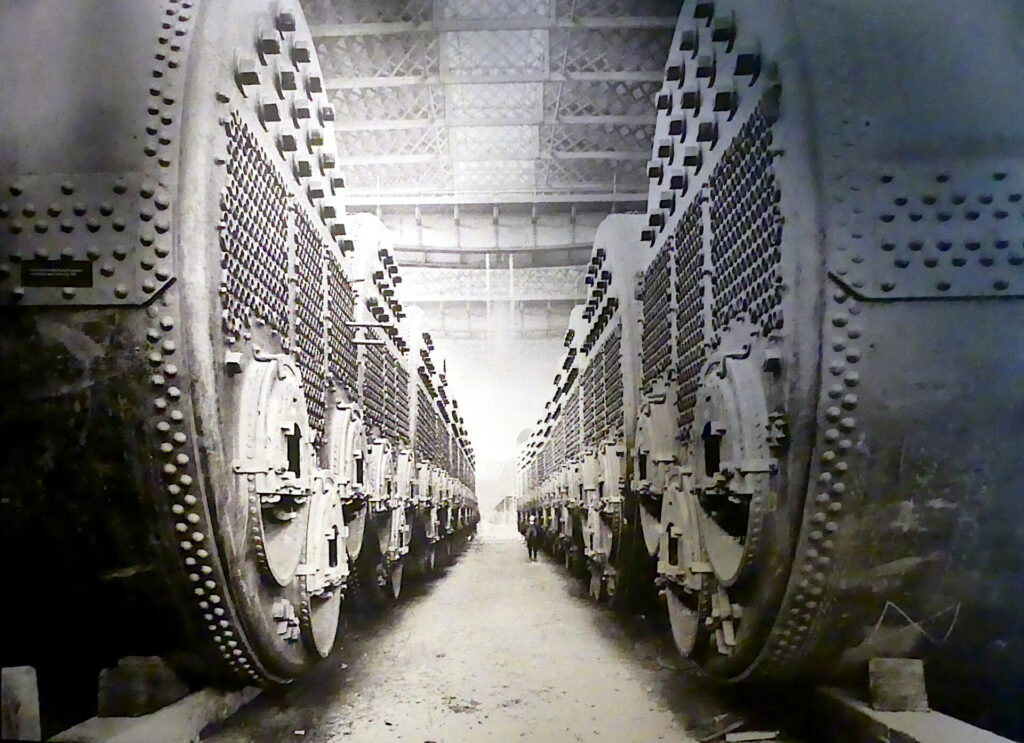
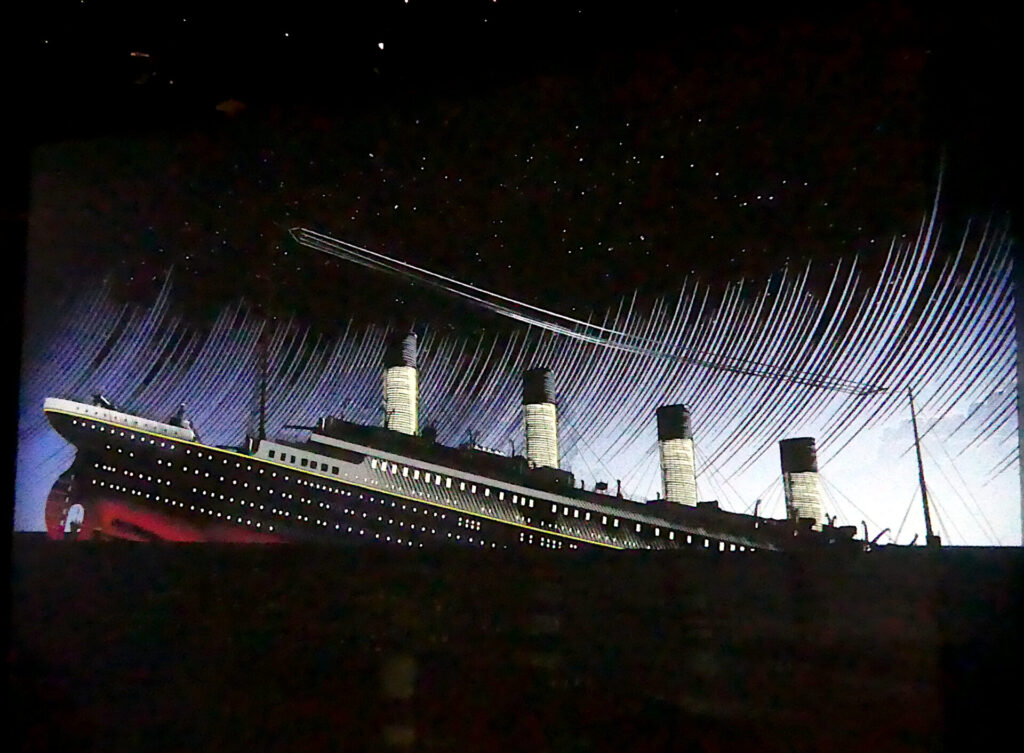
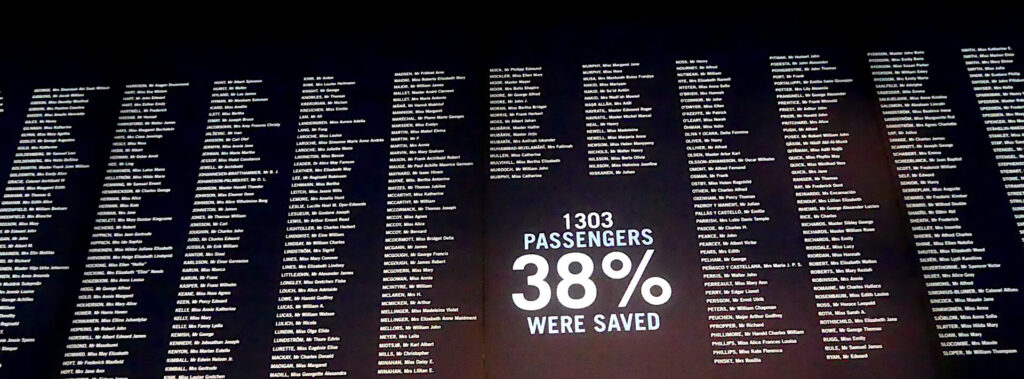
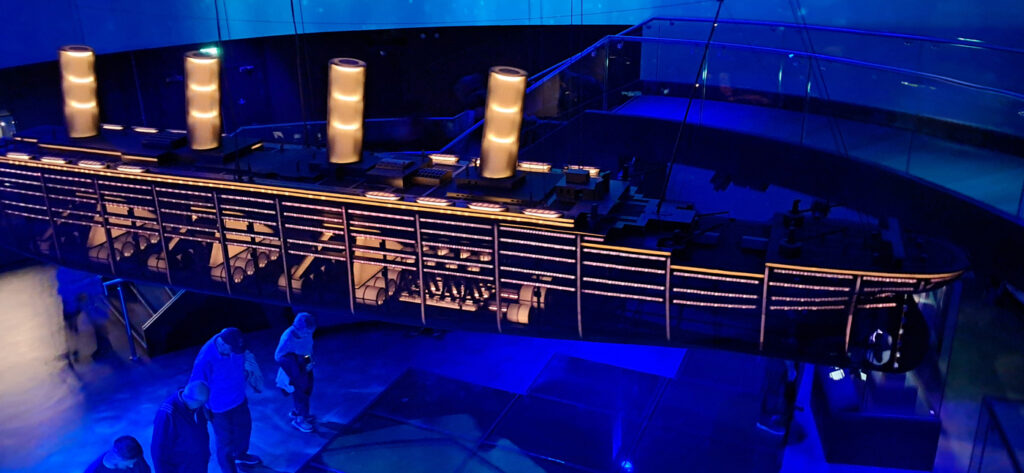
After the tour of Belfast we disembarked the coach at 12:30 at the Titanic Museum and spent the whole afternoon at this excellent venue. The museum is divided into 4 sections. The first described the prosperity of Belfast in the late1800s / and early 1900’s due to the flax linen. The second section described the building of the Titanic with vivid displays of the building process, the number of rivets used and the hard work of the ship builders. The third section displayed the actual disaster and why it happened. 5 factors led to the high loss of life. The worlds shipping has learnt from these:
- Titanic was travelling too fast in an iceberg area and would have had no chance of stopping if an iceberg was seen.
- There were no binoculars available for the iceberg lookouts in the crows nest, they were late in seeing the iceberg and with the speed of the ship too late to stop or avoid.
- The double skin outer walls of the ship did not go high enough, when the ship listed they filled with sea water.
- Titanic only carried 20 lifeboats that could hold 1178 passengers. There were 2240 souls on board. Only 495 passengers were rescued plus 214 crew members.
- After the collision with the iceberg Titanic’s crew used flares and radio signals to call for help. The nearest ship was only 4 miles away. SS California, its captain saw the flares but thought they were fireworks. The radio operator had gone to bed so there was no one on radio watch. The first rescue ship to reach the disaster was SS Carpathian who was 58 miles away.
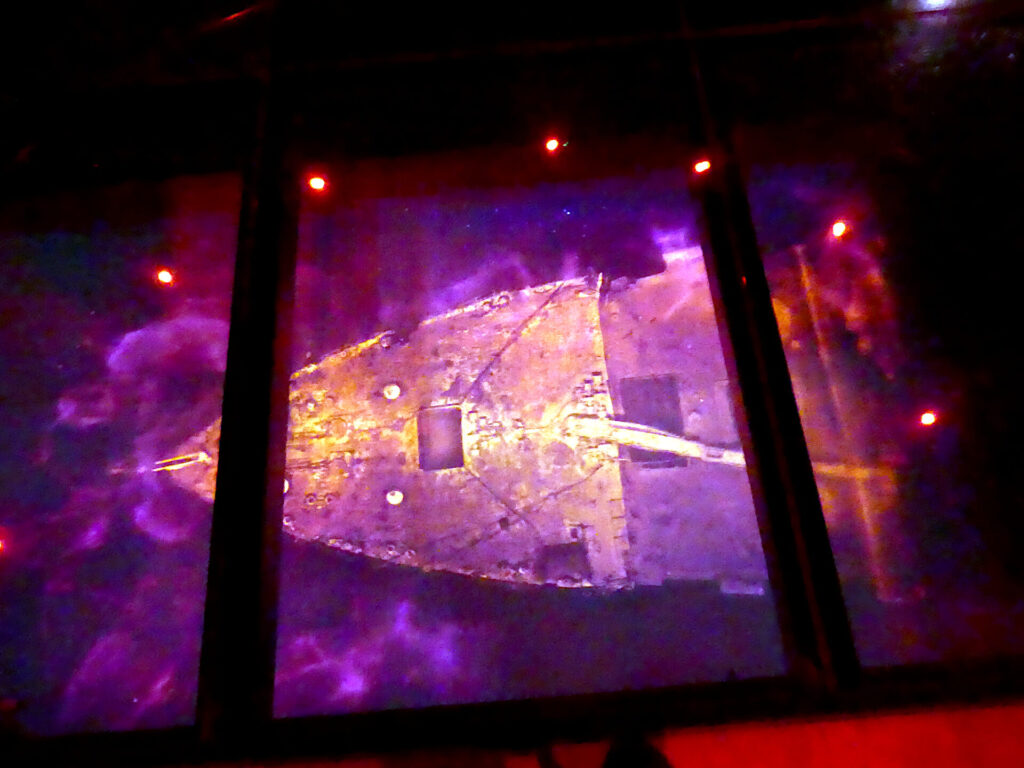
The final section of the museum describes and displays how the wreckage of the Titanic was found on the sea bed. The first item to be sighted was one of the 29 boilers. The main part of Titanic was discovered on September 1st 1985 by a joint American-French expedition led by Robert Ballard. It was lying on the seabed 12,500 ft (3,800mtrs) below the surface.
This day was extremely informative we thought we knew all there was to know – how wrong we were. We returned to our hotel for an excellent dinner and plenty of discussion on the days events.
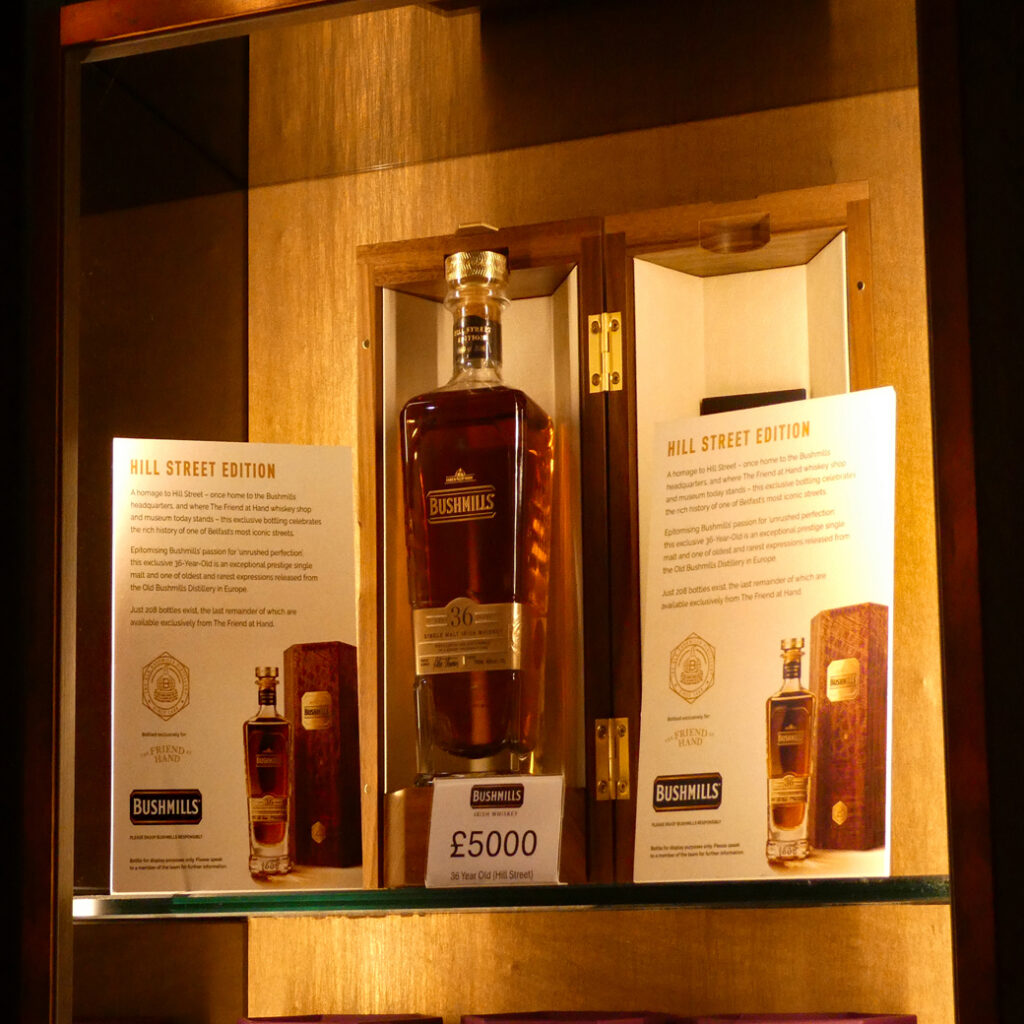
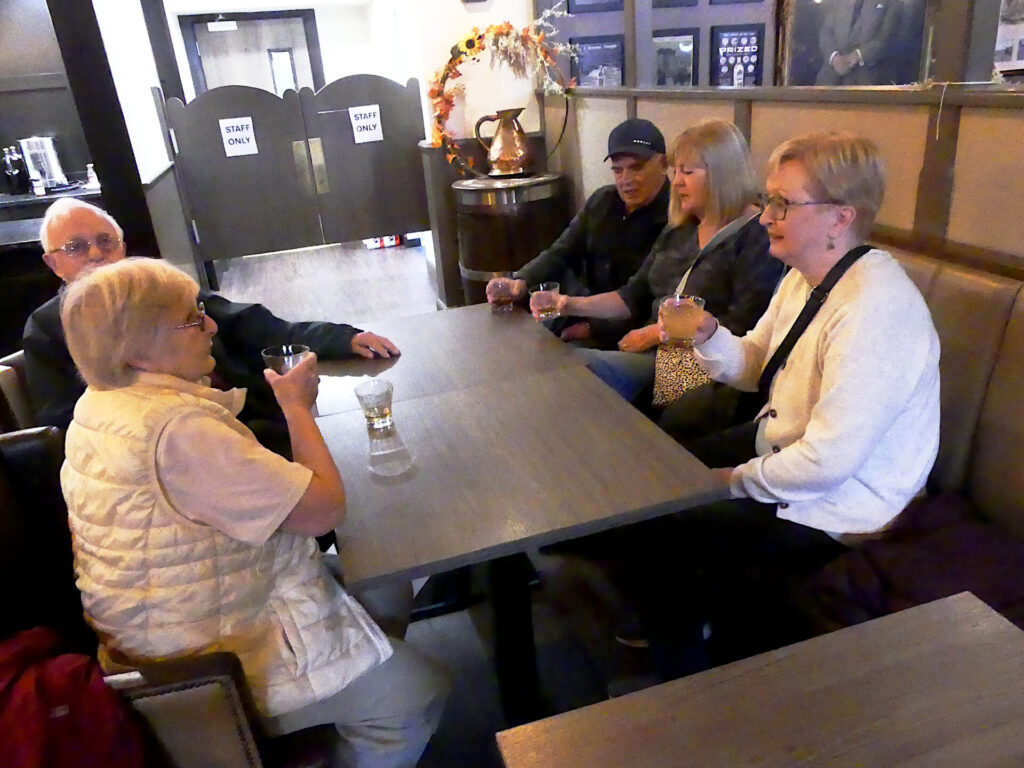
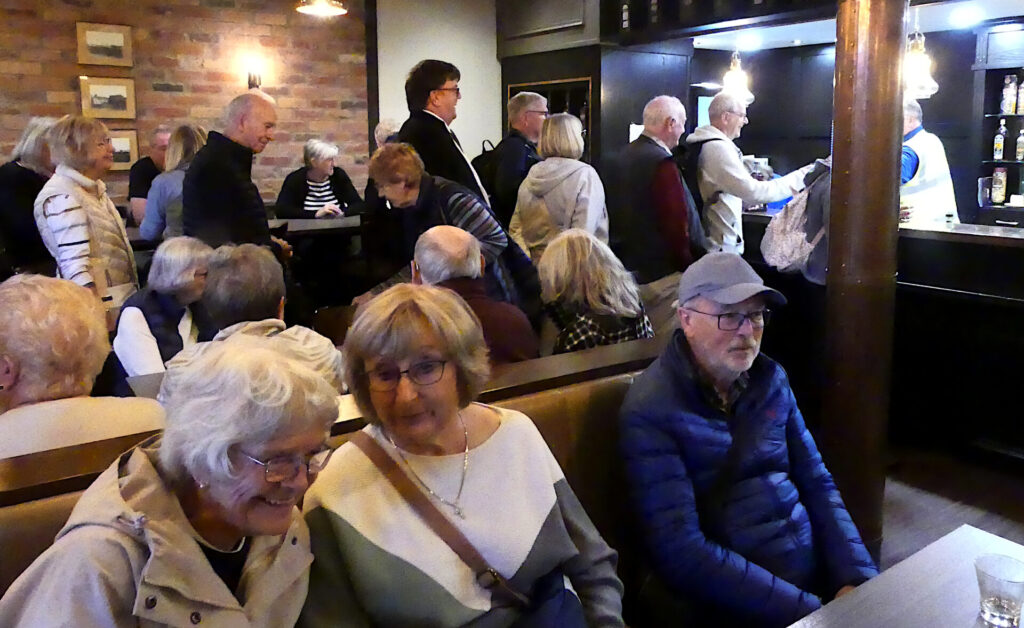
On day 4 we visited the Bushmills Distillery on the Antrim coast. We had a guided tour and saw the malting and distillation process, barrel making plant and the bottling plant. Scottish whisky is spelt without an ’E’ our guide proudly told us that the ‘e’ in the Irish product whiskey stood for excellence.
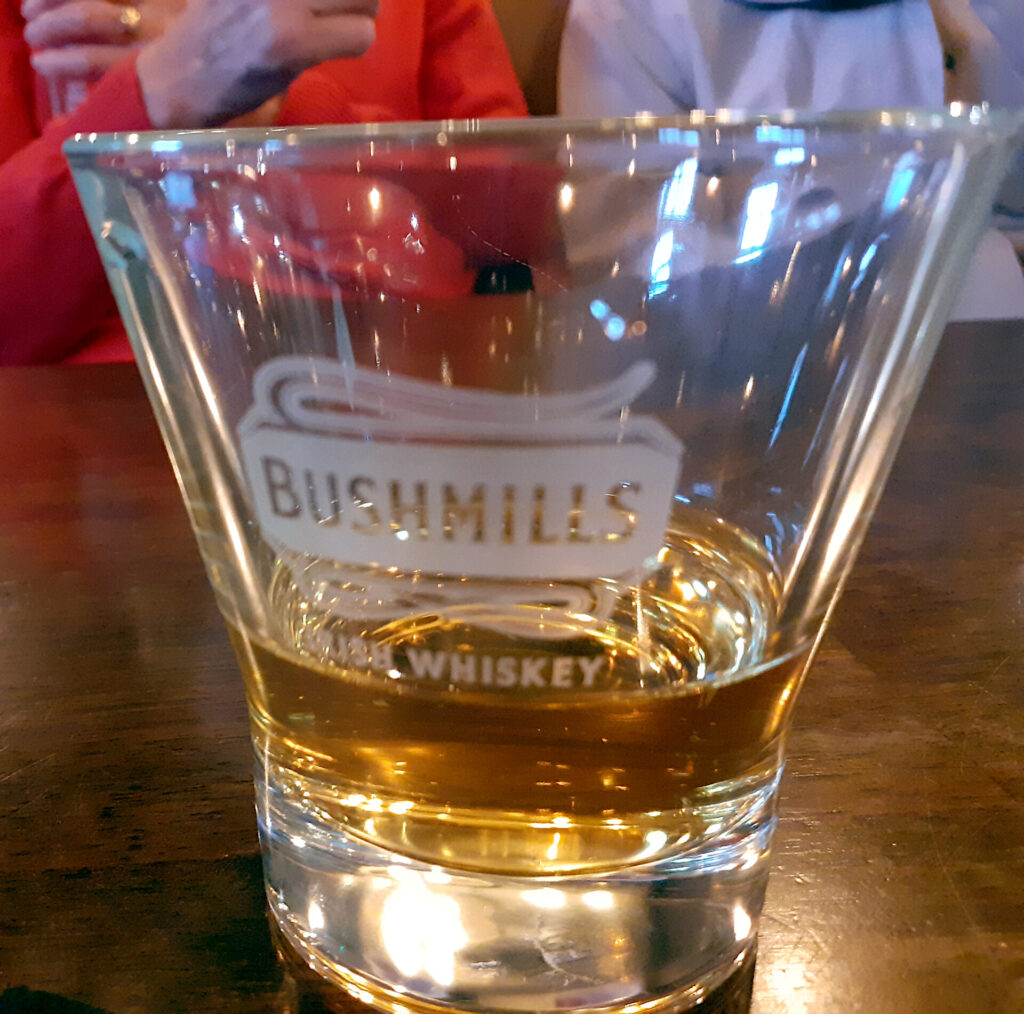
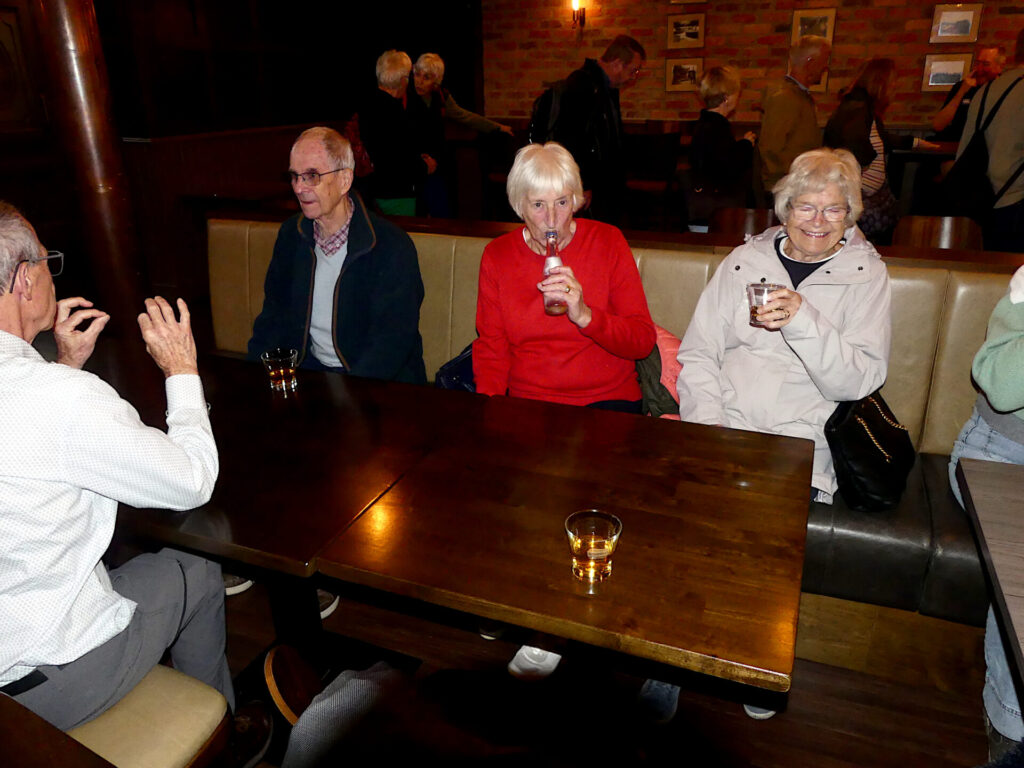
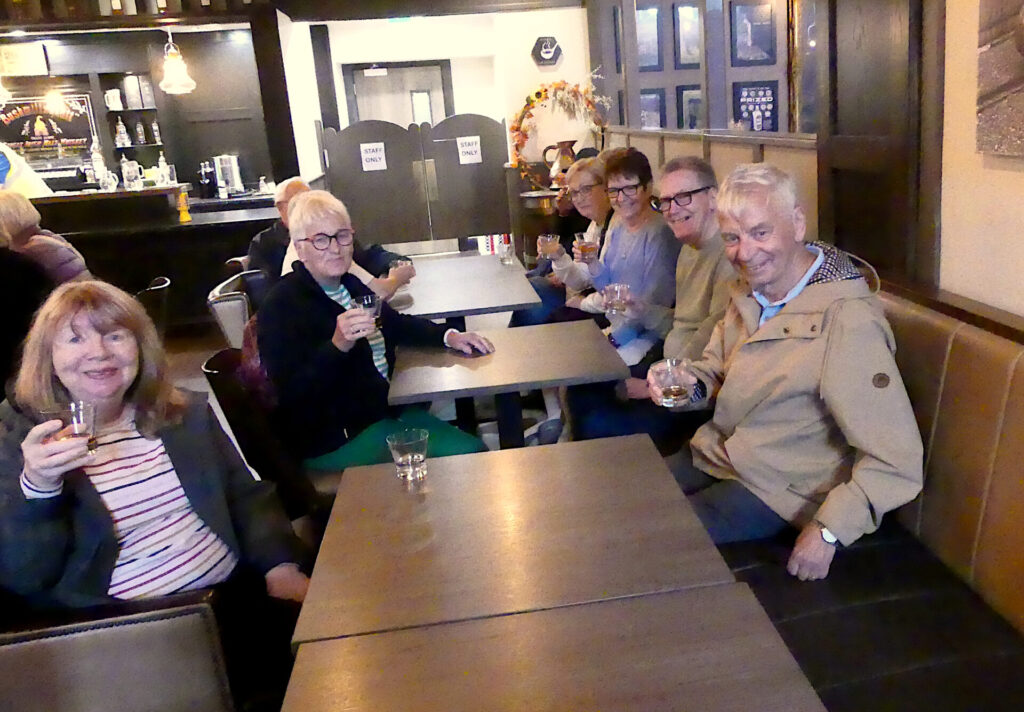
Following the tour of plant we retired to the bar and enjoyed a tasting of their products.
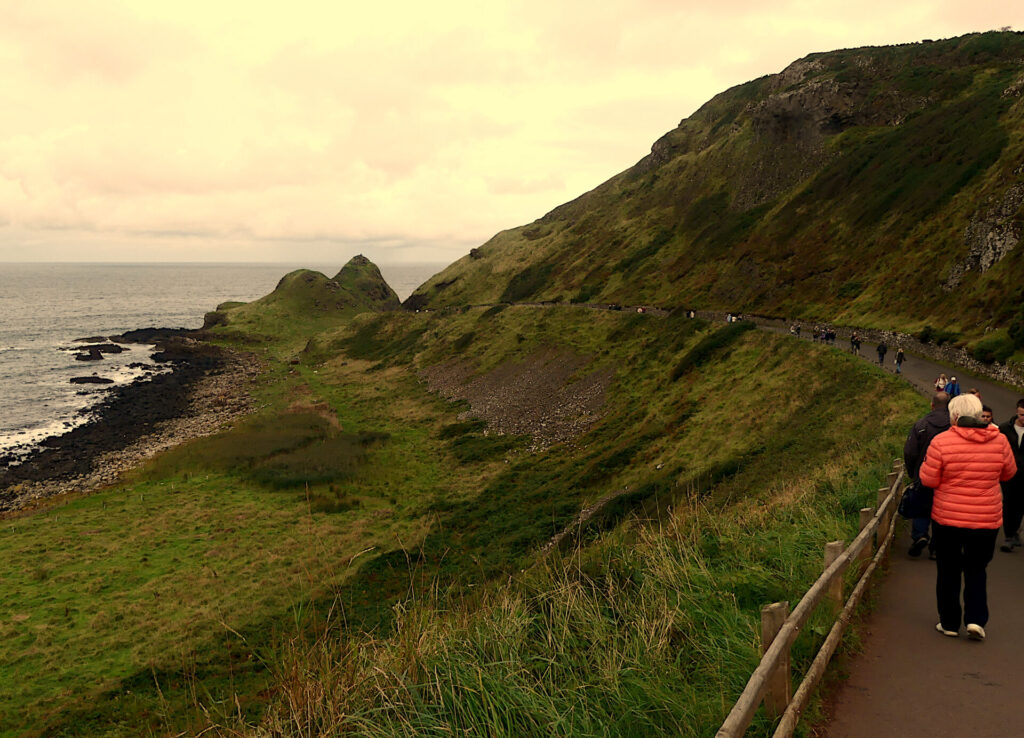
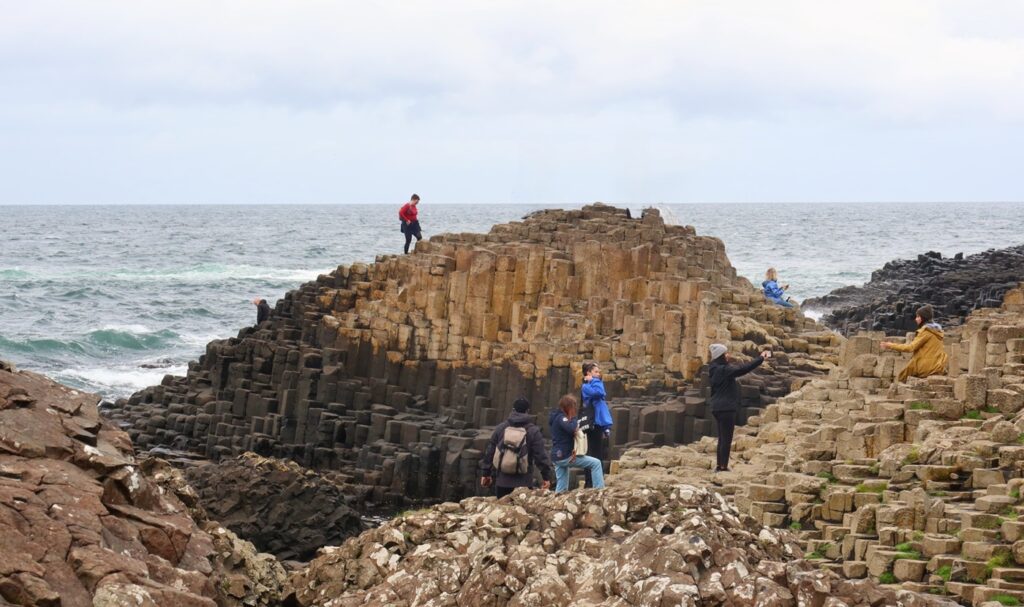
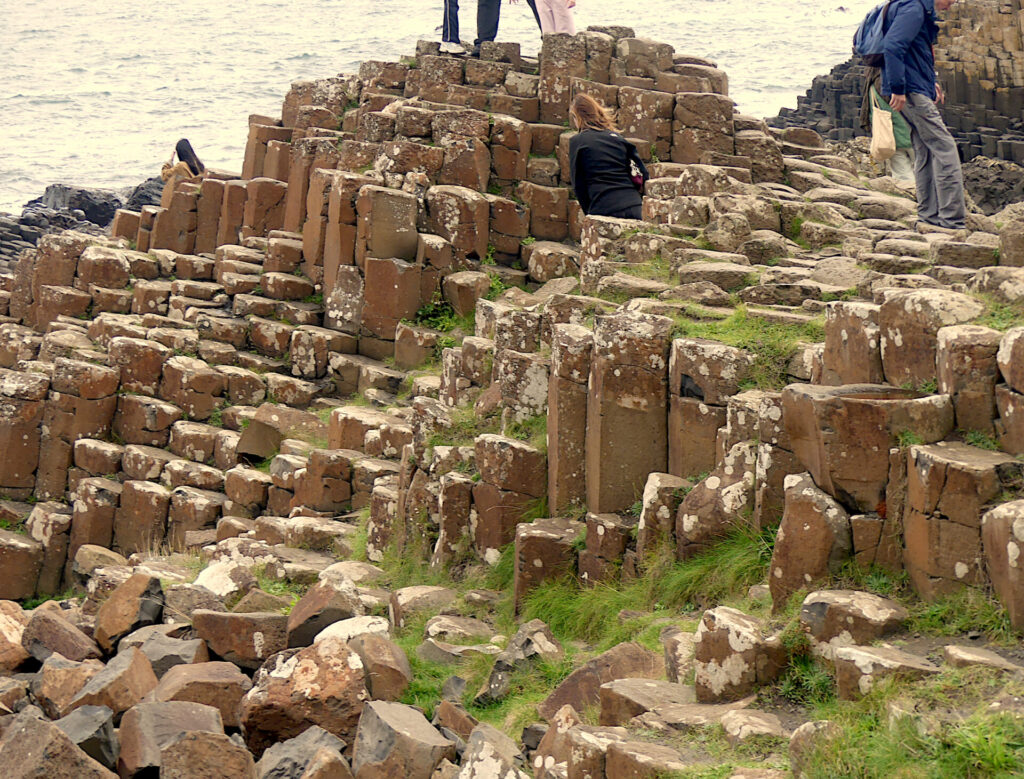
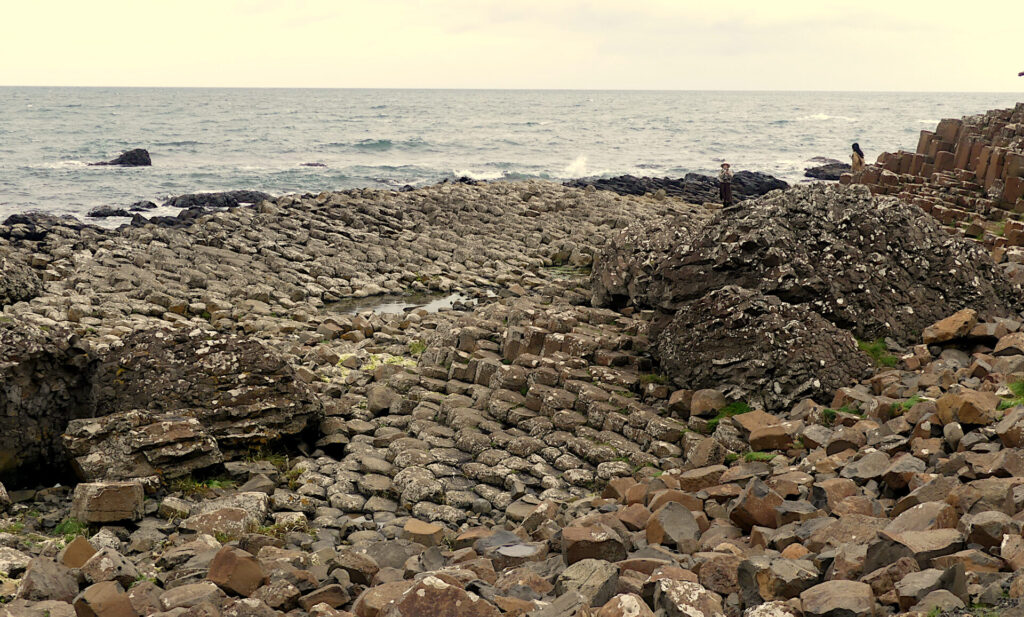
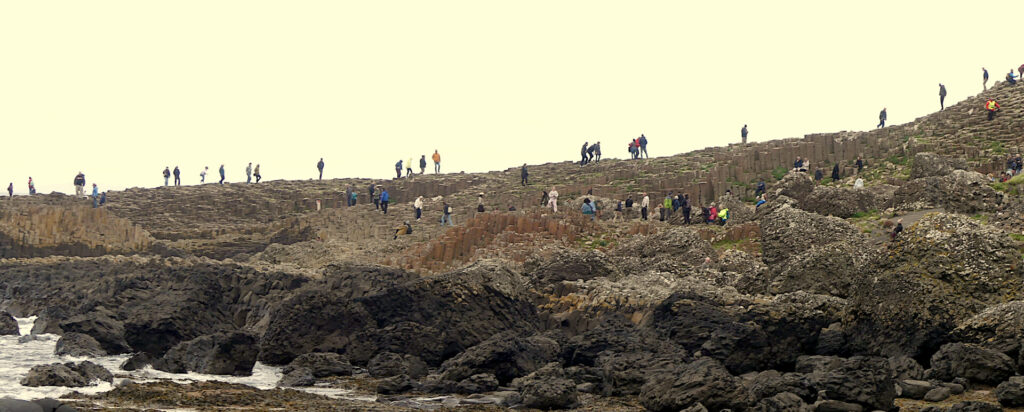
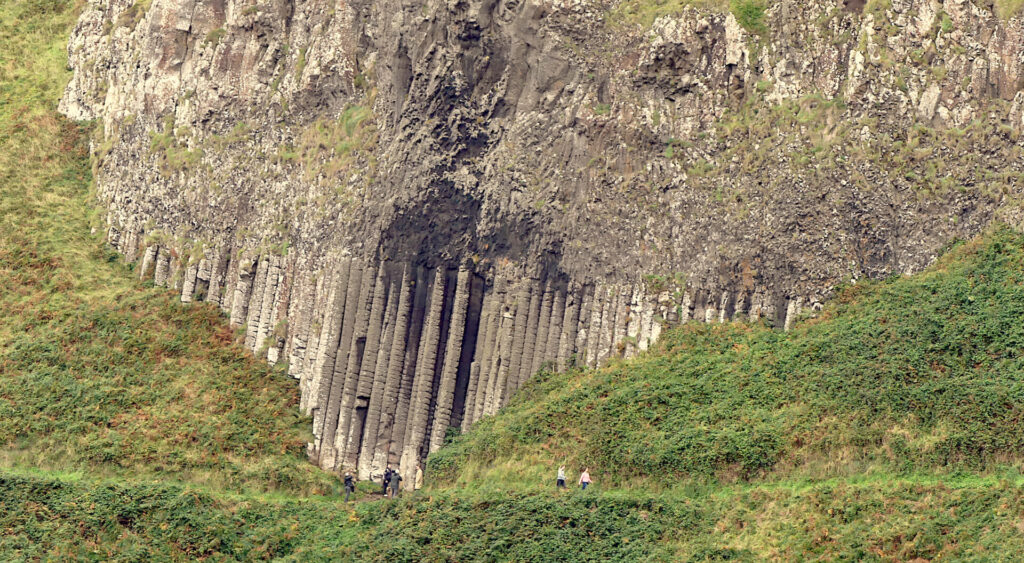
We returned to the coach and travelled the 4 miles to the Giants Causeway visitors centre. All members either walked to the causeway, or took the courtesy bus. The causeway is a geological wonder comprising 40,000 interlocking basalt columns. The result of intense volcanic and geological activity over 60 million years ago. The area is steeped in folklore. Giant Finn McCool said to have left behind the causeway.
Later returned to our hotel for a well earned evening meal.
On day 5 we we left the Corrs Corner Hotel. Our journey today would take us to the Bonnington Hotel in the Whitehall district of Dublin.
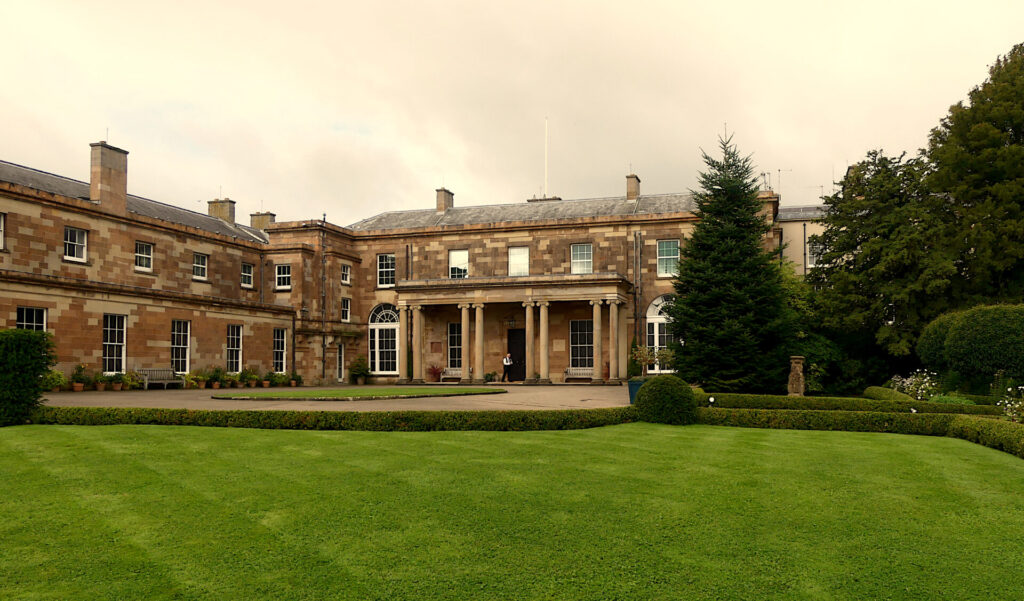
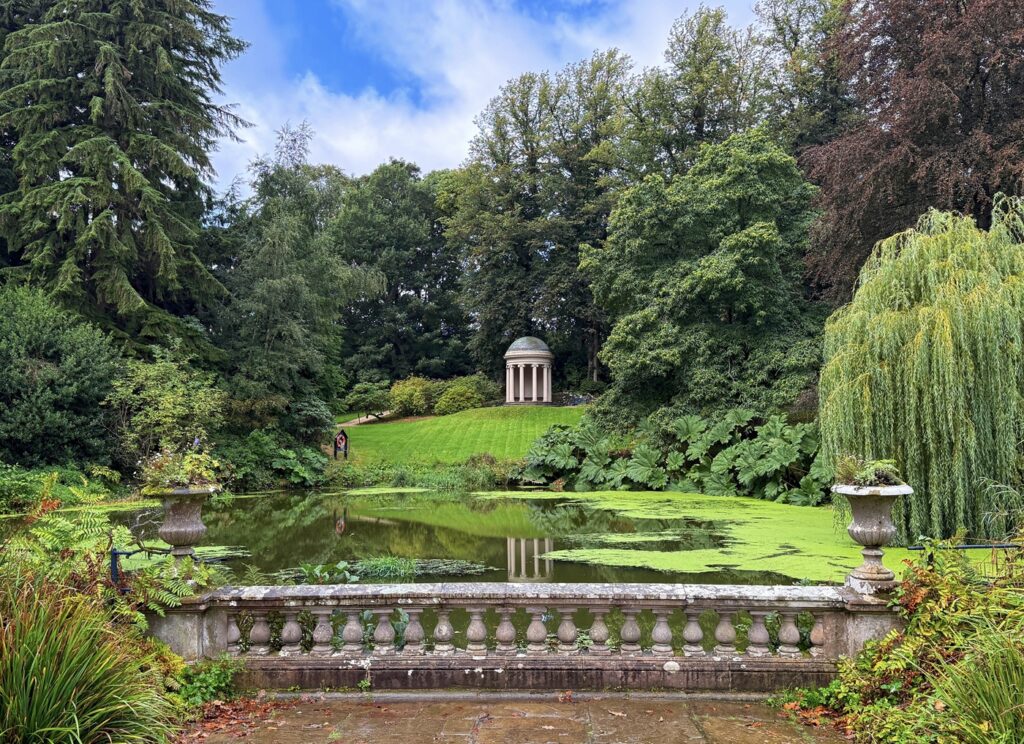
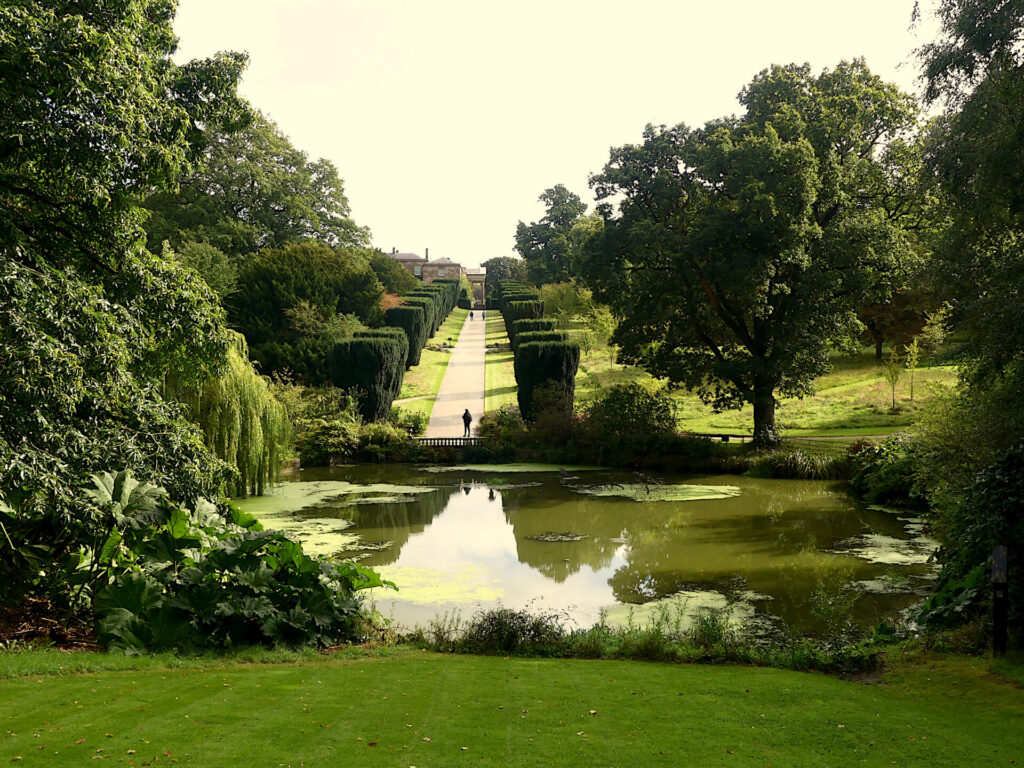
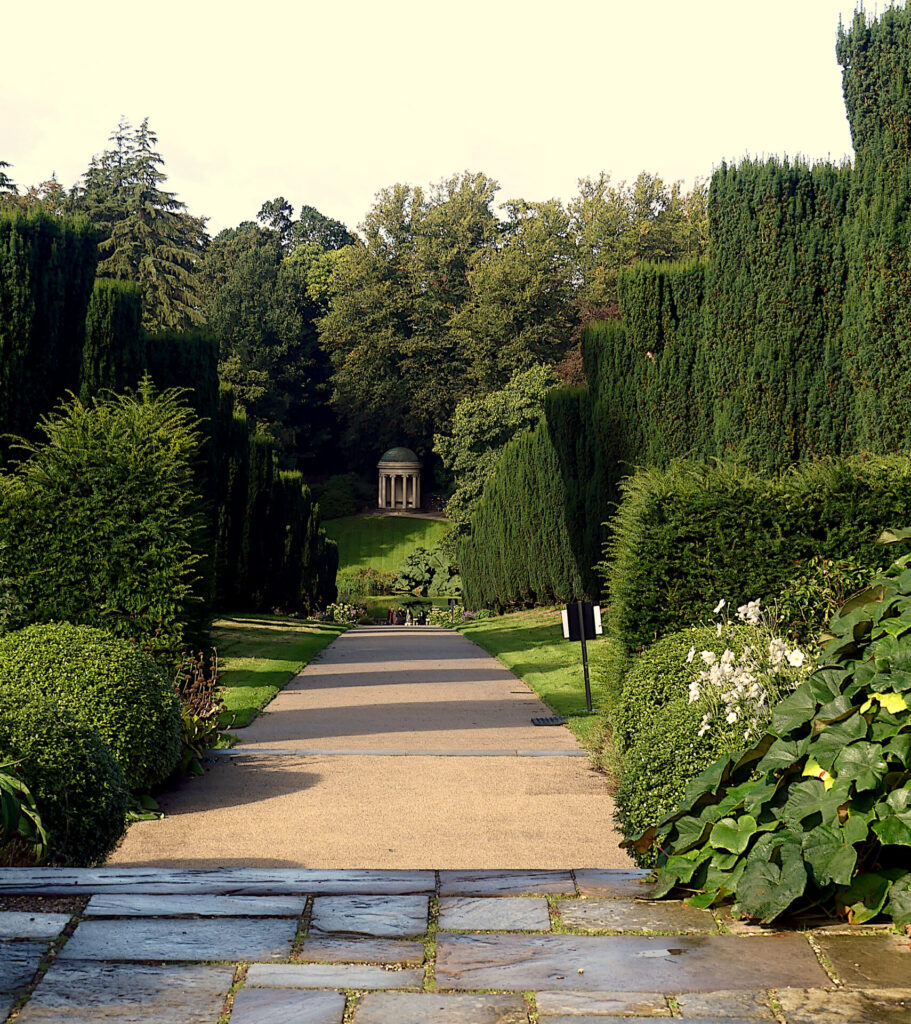
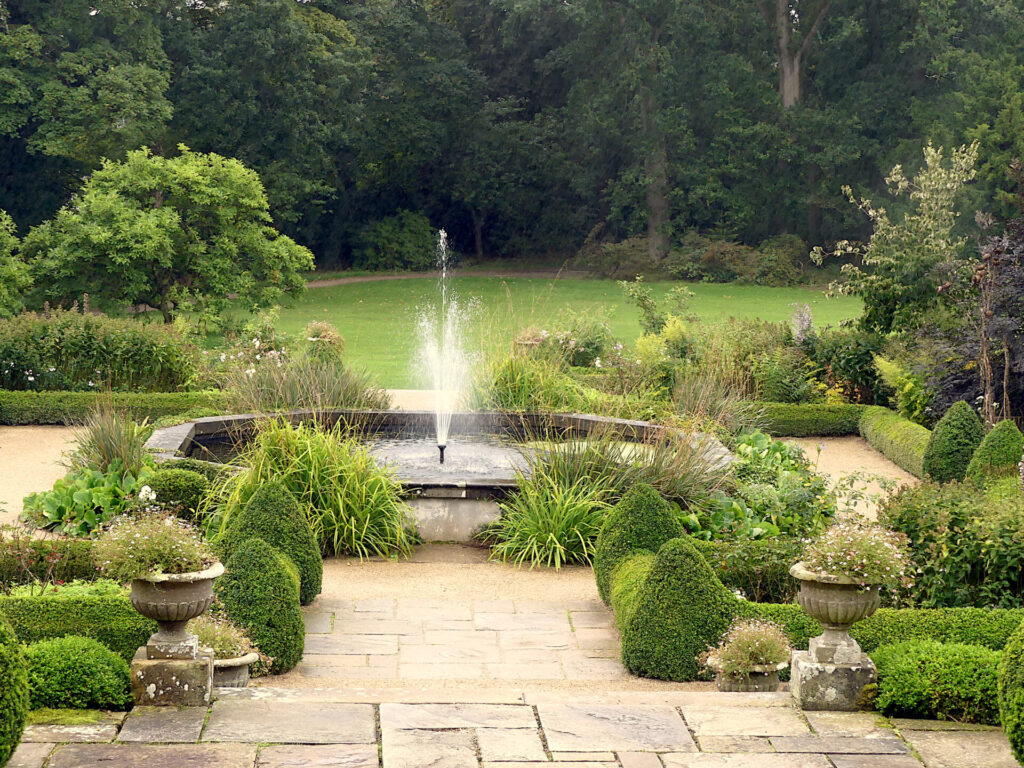
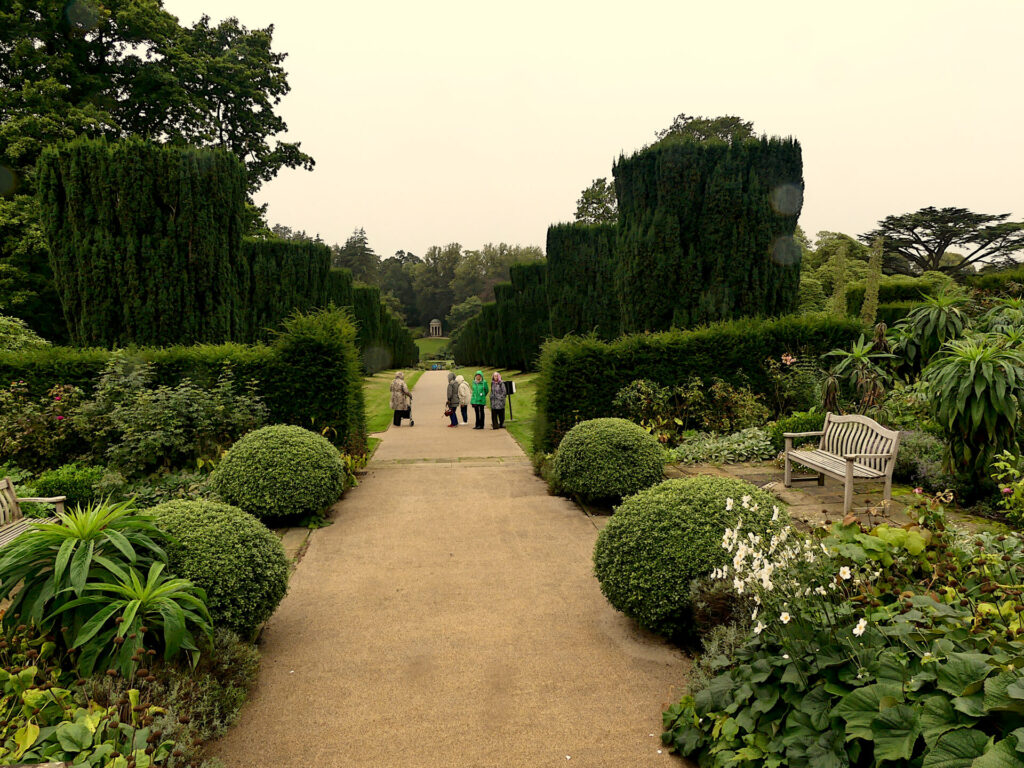
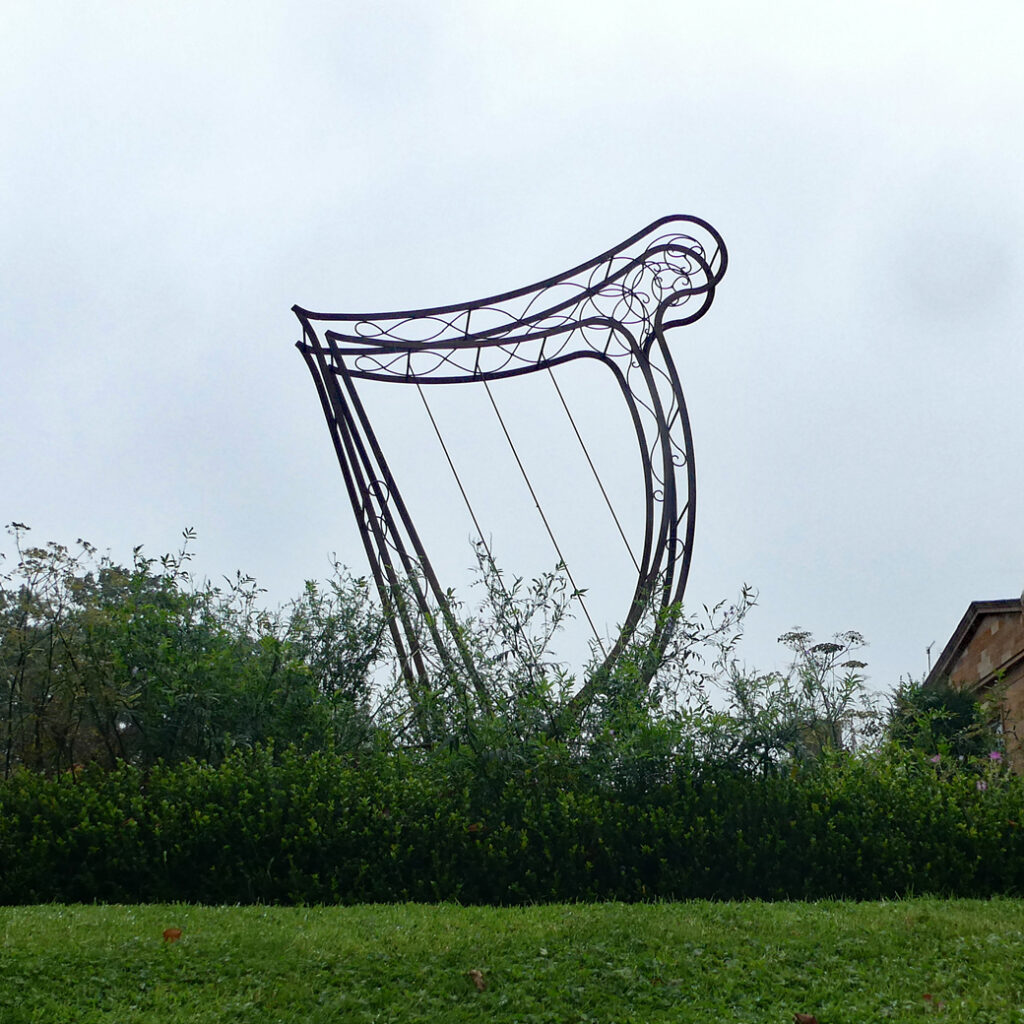
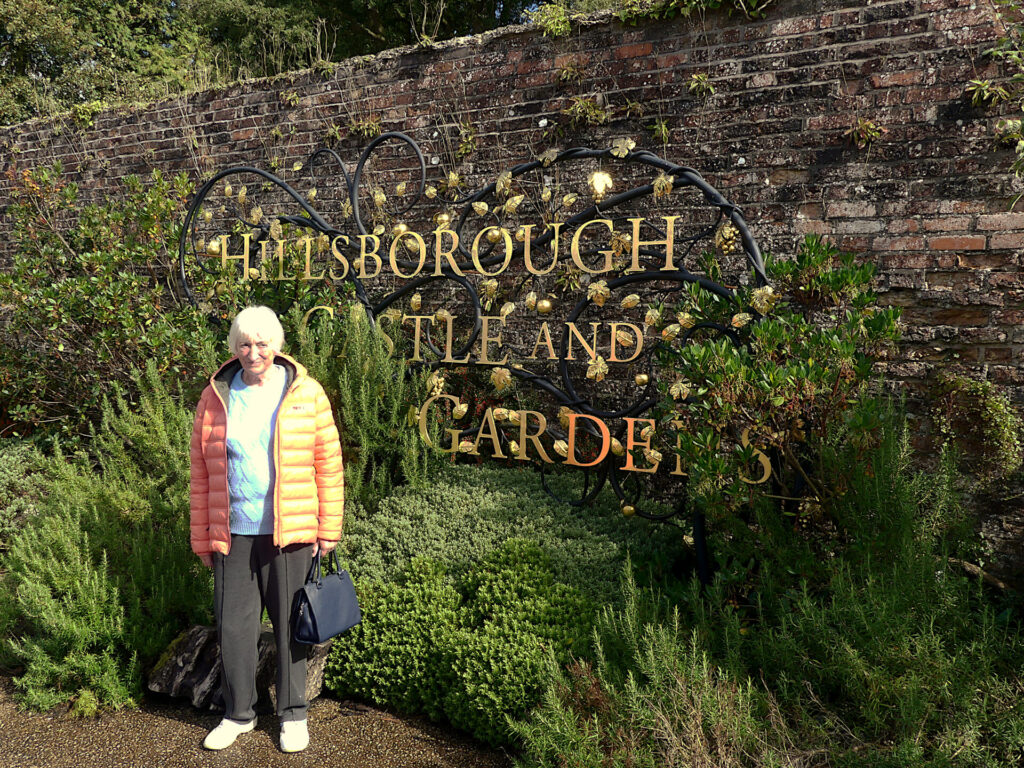
En route we visited Hillsborough Castle and Gardens. This elegant “Irish Big House” was originally established in the 1750’s. In 1925 it was bought by the British Government and become the seat of the Governor of Northern Ireland and the residence of the Monarch when in the province. The house is filled with artworks from the Royal Collection. We were guided around the state rooms with very knowledgeable guides. Following the tour of the castle we explored the 100 acres of well tended gardens. We had lunch in the Weston Pavilion before embarking our coach and were driven over the border into the Republic of Ireland and onto Dublin and our hotel for the night.
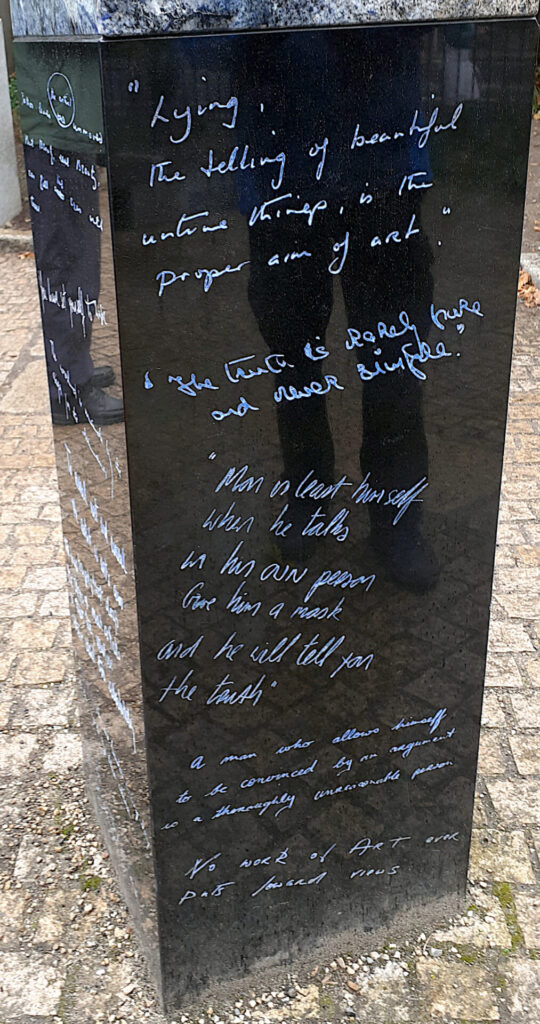
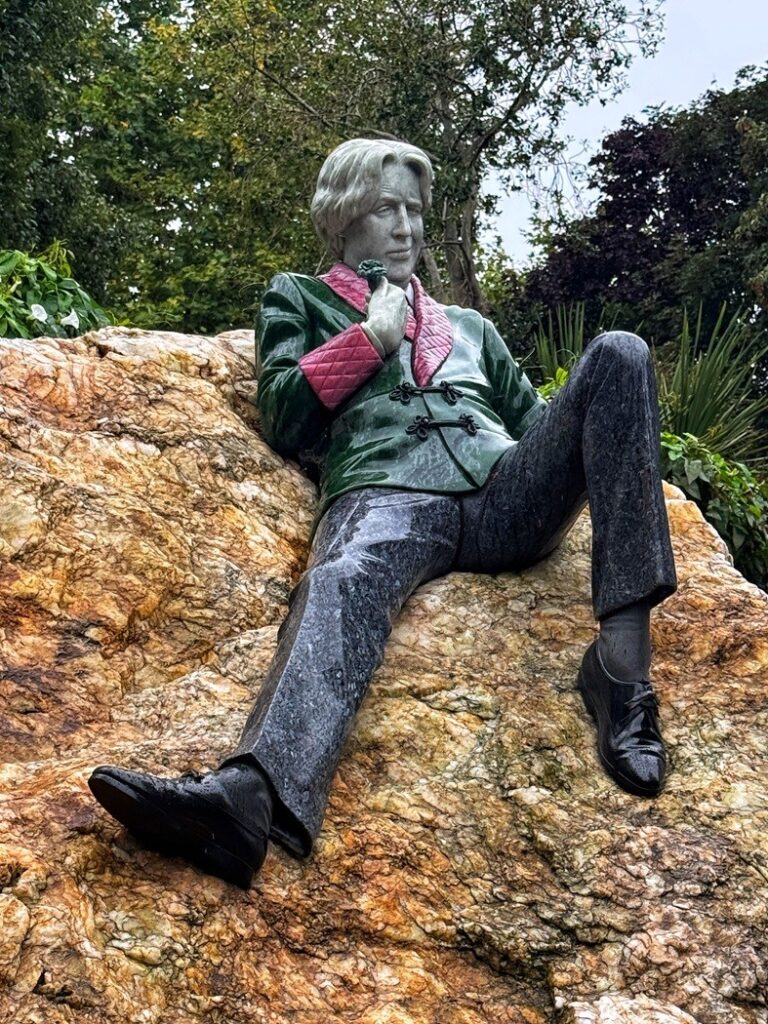
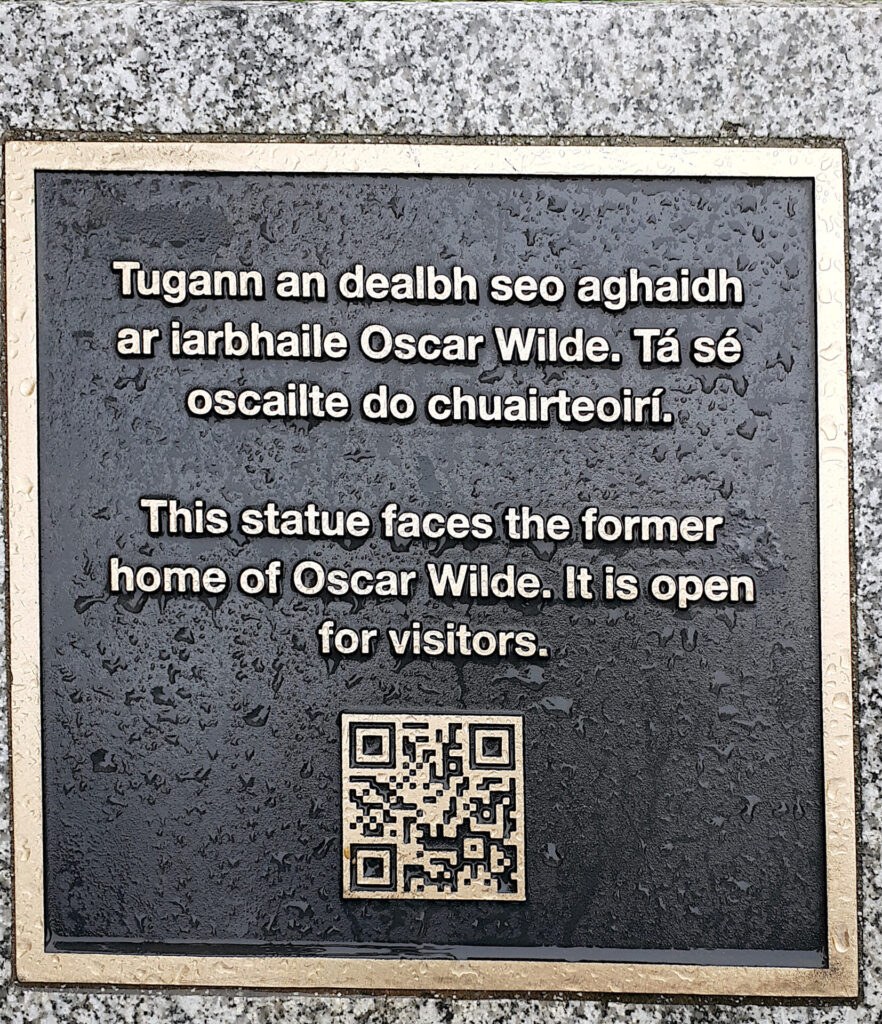
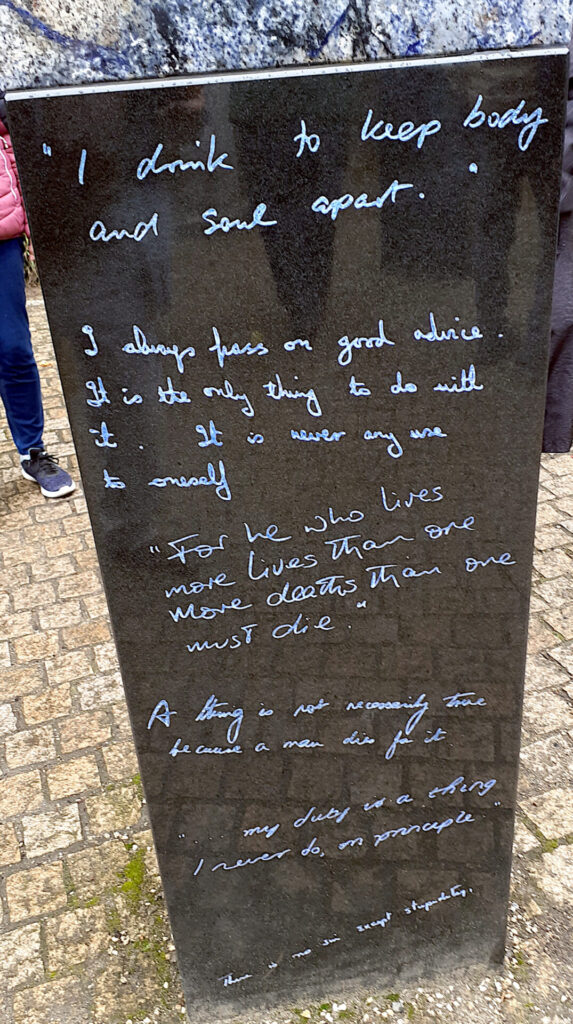
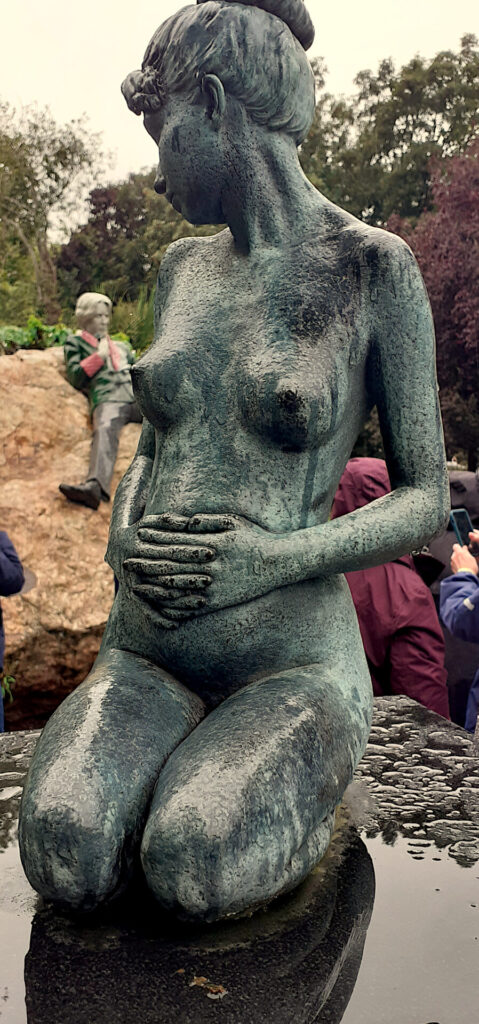
On the final day of our visit we were driven into Dublin and picked up a tour guide Mairead Barry. She escorted us around the City pointing out places of interest. At one point we got off the coach to see a statue to celebrate Oscar Wilde. There were a number of displays listing his sayings. One of them “I drink to keep body and soul apart”. The tour took a couple of hours. We were guided through the Phoenix park, I mile from the city centre, it is the largest enclosed public park in any capital city in Europe, spanning 1,750 acres of green space, historic monuments, and wildlife.
At the end of the tour we had a short coffee break before we had to head to the Port of Dublin to catch the Stena Line ferry to Holyhead. We arrived to board the 14:45 sailing. Unfortunately the sailing time had been changed to 16:30. Out Group Travel organiser had not been informed of the change of time so we had 1¾ hours to kill in the port.
Once the ferry sailed the crossing was smooth, in spite of warnings of high winds. 3½ hours later we disembarked in Holyhead. Because of the change in sailing time we did not arrive back in Balsall Common until 1:30am on Saturday.
Every passenger enjoyed the holiday. This holiday was arranged by Harry Shaw Group Travel to an itinerary specified by Balsall Common u3a. After several meetings we came up with a suitable routing. Ian Pearson the Group Travel Manager at Harry Shaw Ltd then went to work to find and book hotels, ferry bookings, entrance to the various places we visited. His meticulous planning was evident on the whole trip.
We were lucky to have been able to obtain the services of our preferred coach driver Nick Waite. His friendliness, professionalism and coach driving skills helped make the holiday.
The following photographs were taken by Angela Reid, Jim Melville and Peter Calver.
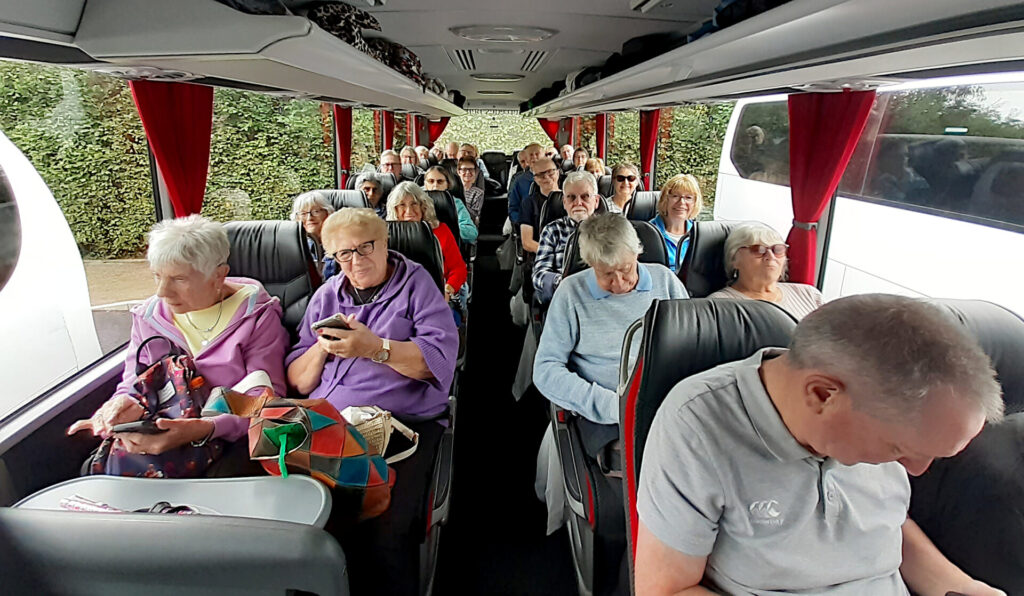
Day 1 Sizerg Castle and Travel to Gretna Green
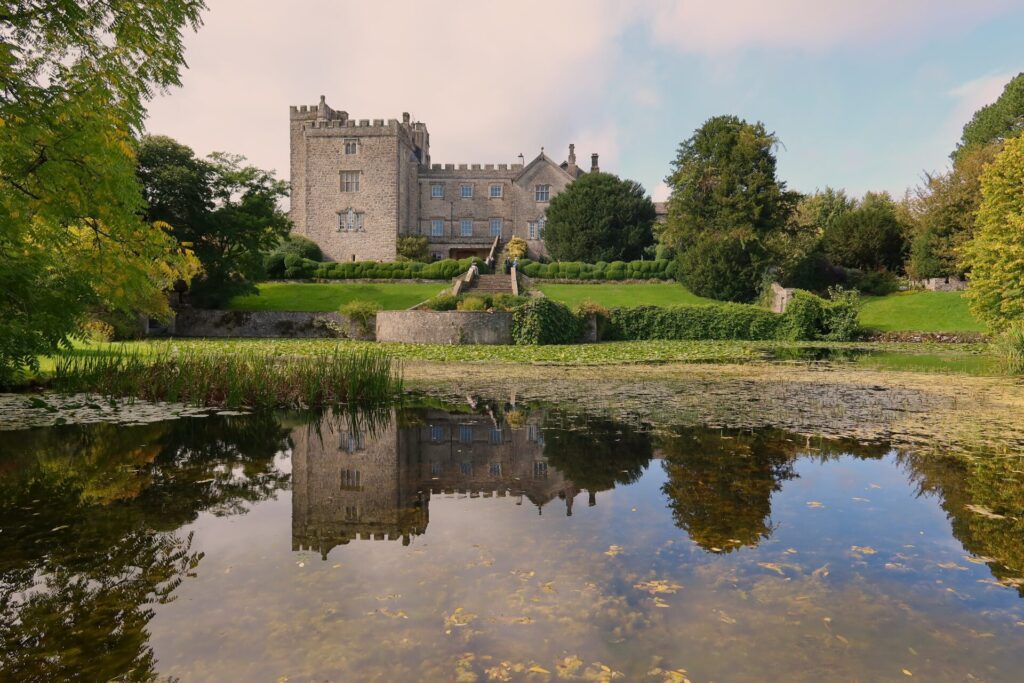
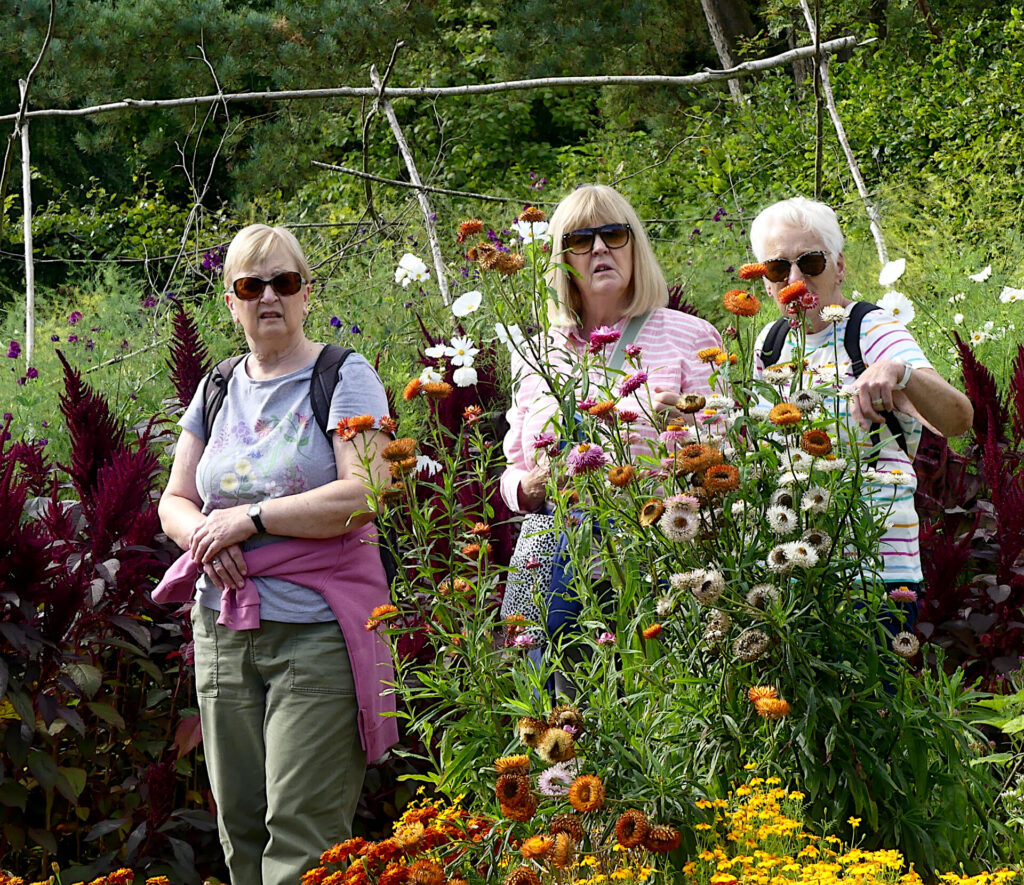
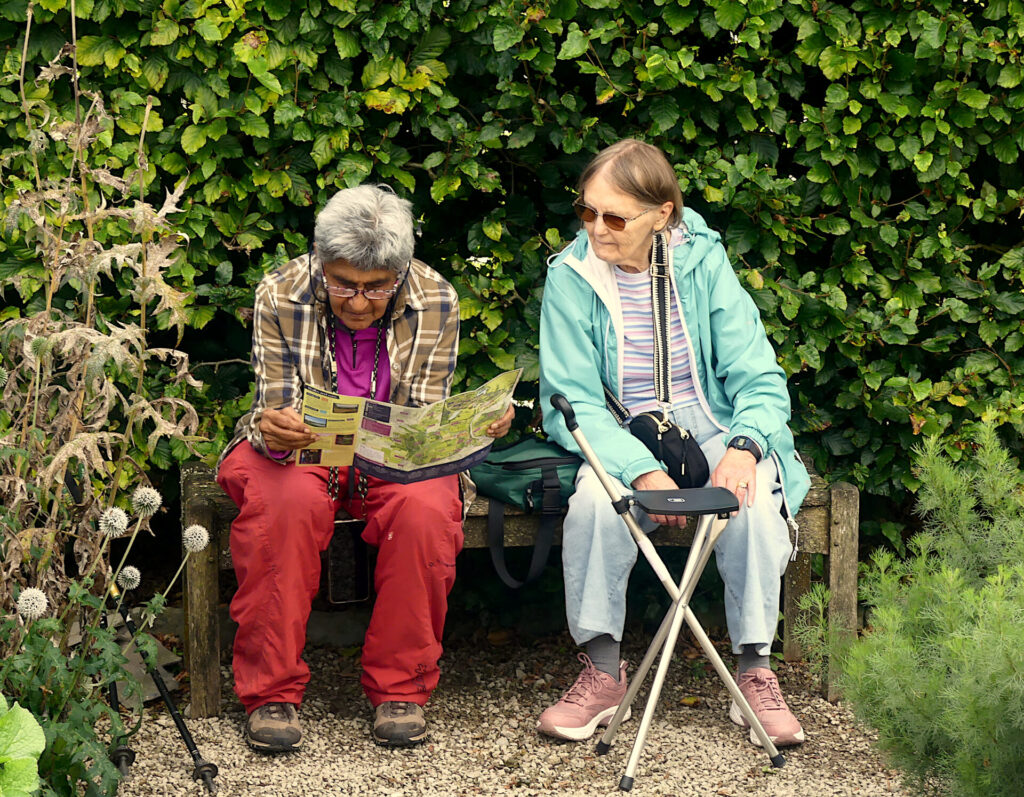
Day 2 - Kirkcudbright and travel to Ferry Port
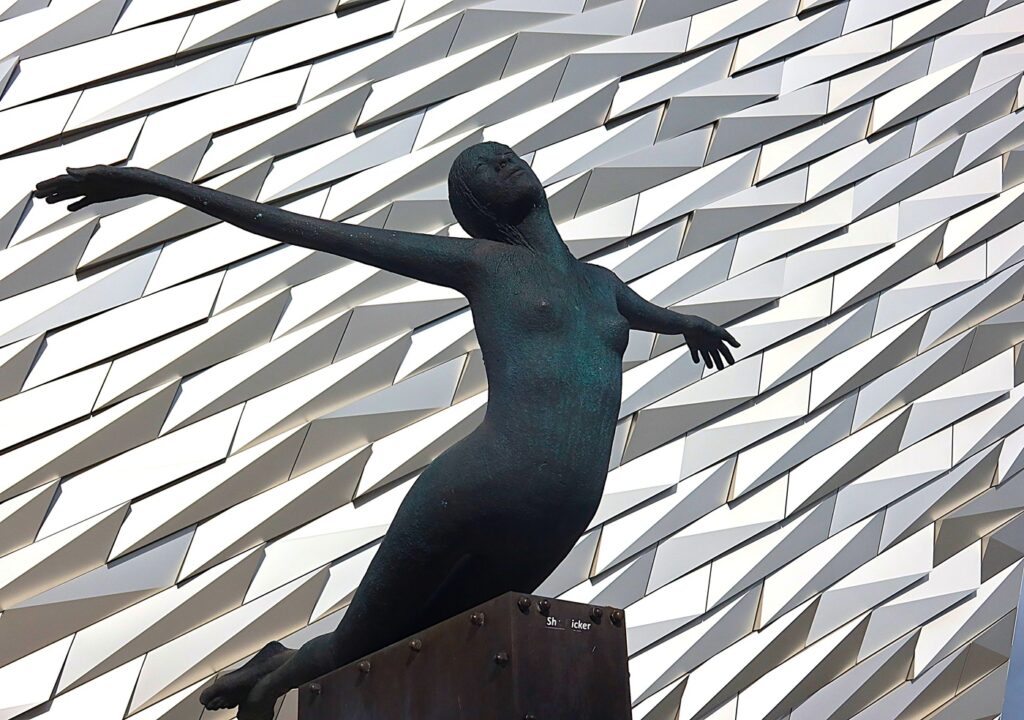
Day 3 - Belfast and The Titanic Museum
Day 4 Bushmills Distillery and Giants Causeway
Giants Causeway
Day 5 Hillsborough Castle
Day 6 Dublin
6 months pregnant.