Wednesday 29th July - Newman Brothers ( Coffin Museum )
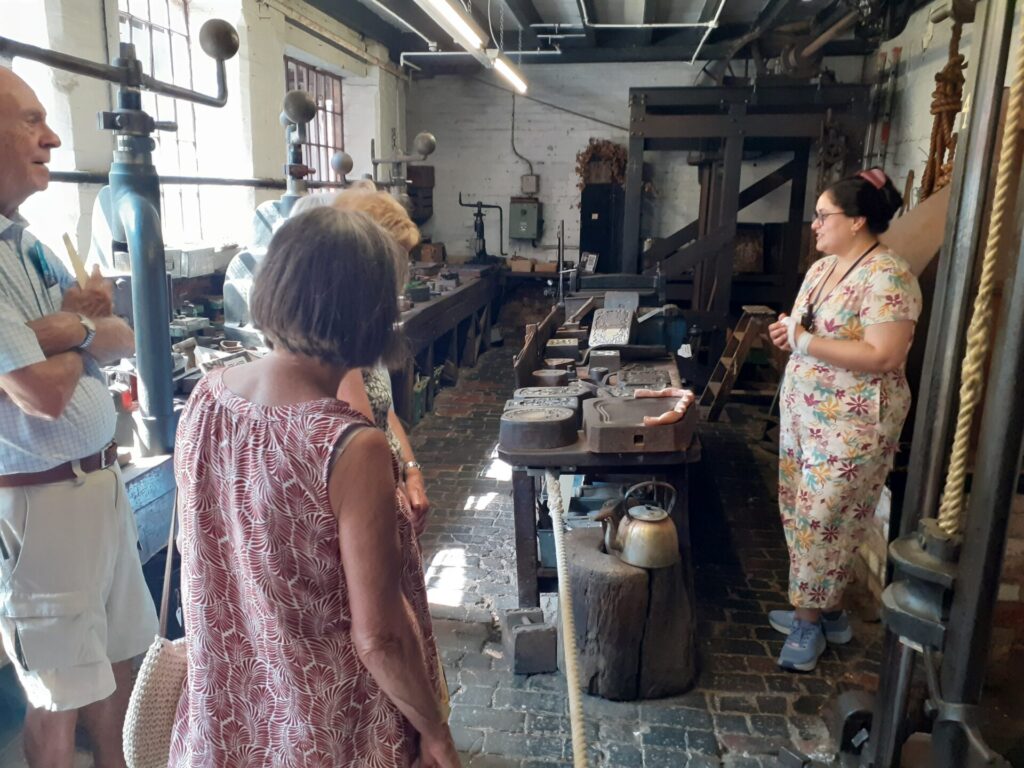
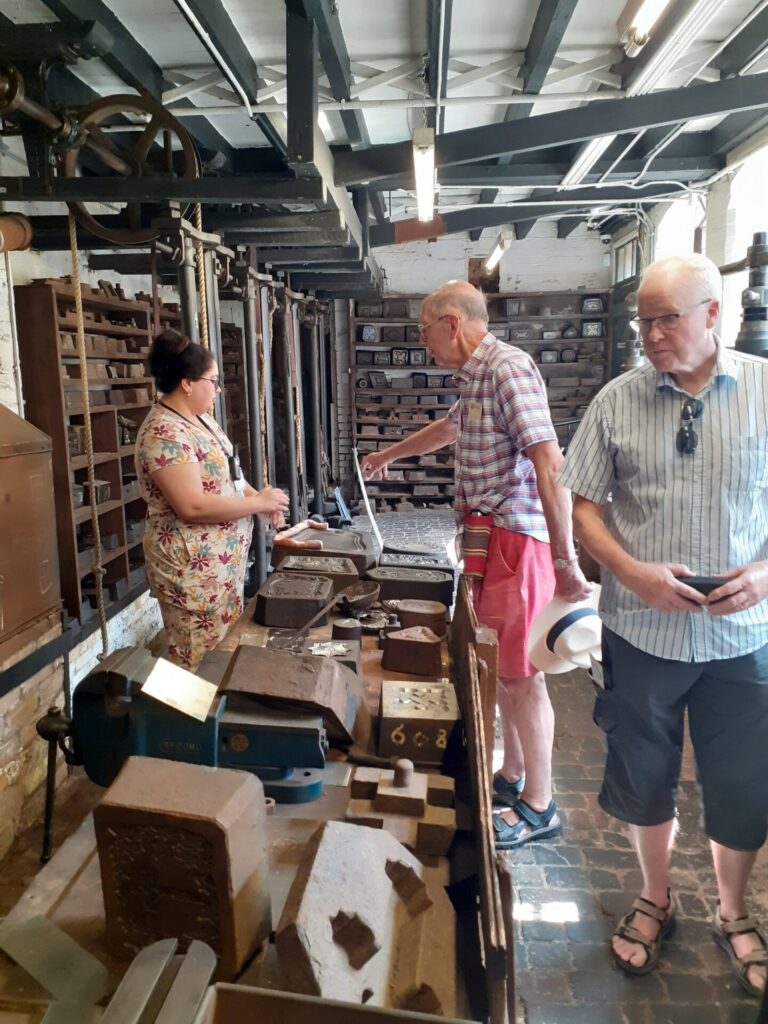
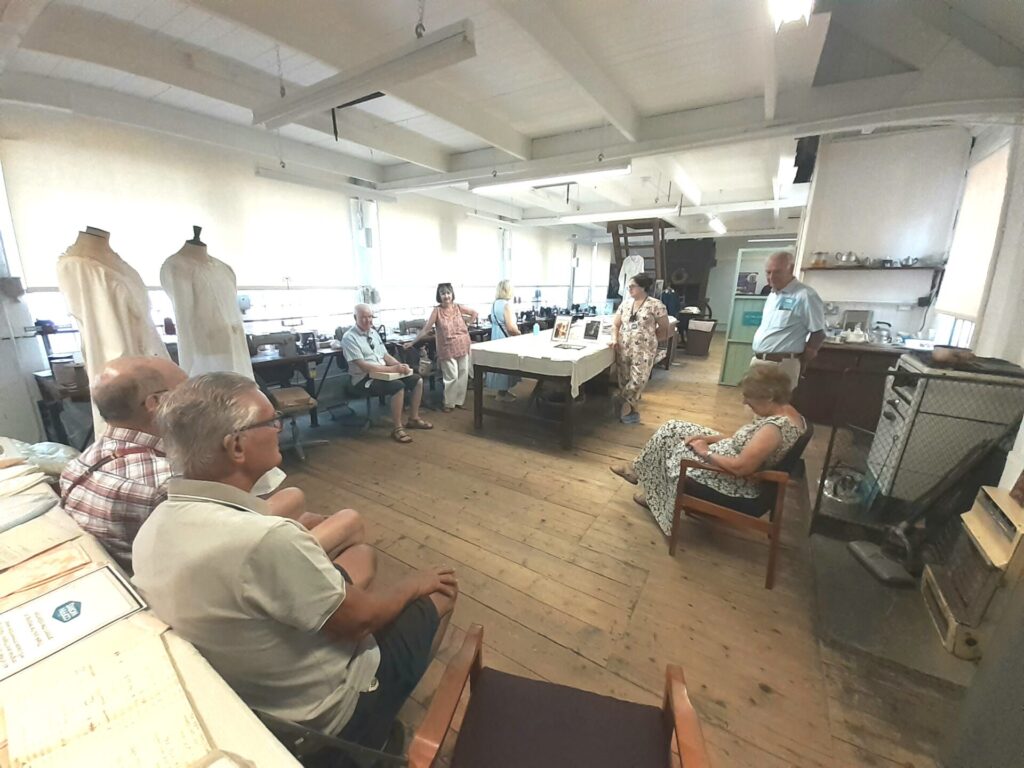
20 members visited this very different museum sited on the edge of the Jewellery Quarter in Birmingham.
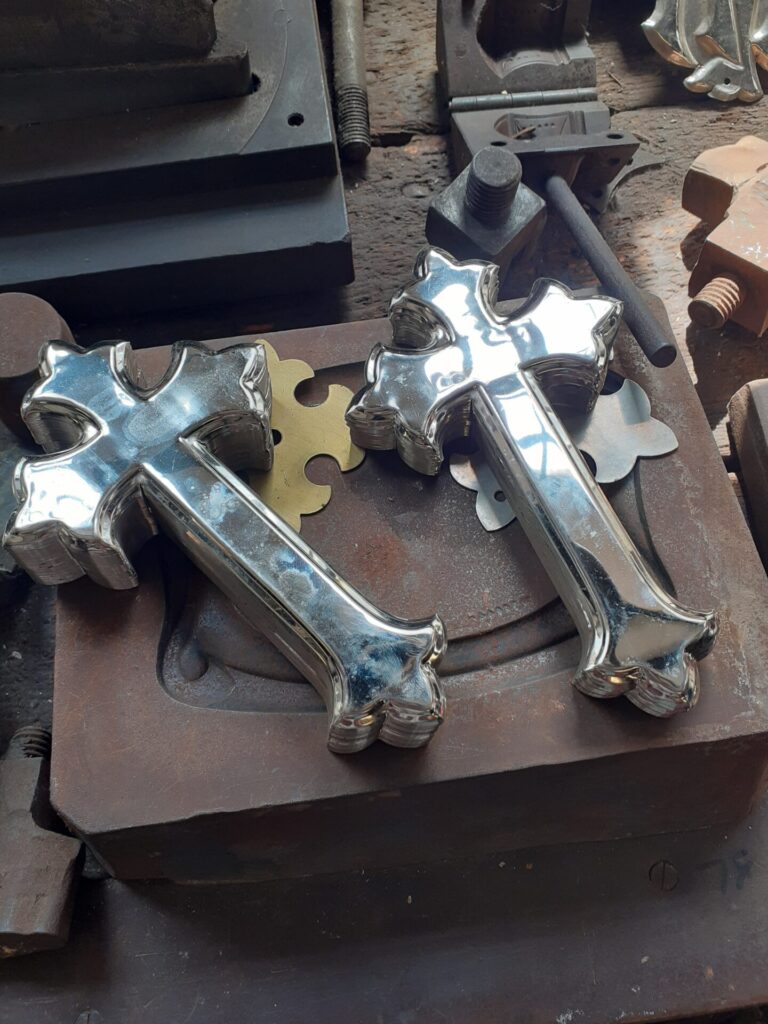
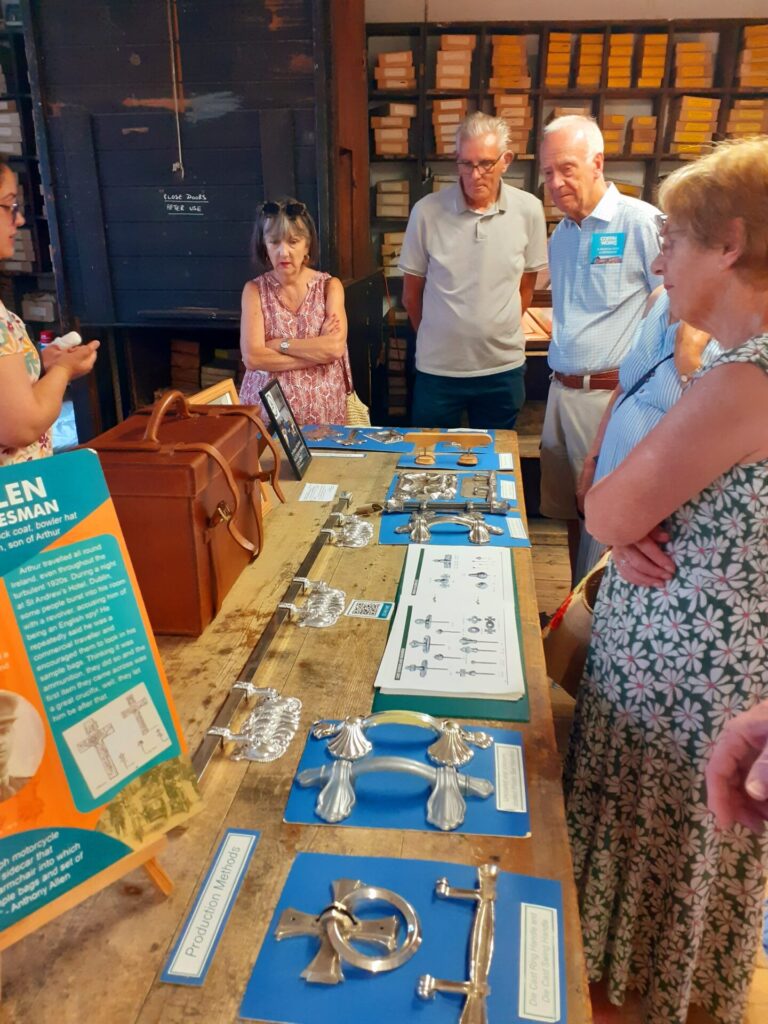
Newman Brothers was established in 1882 by Alfred Newman and his brother Edwin. Originally brass founders, they predominantly made cabinet furniture until 1894, when the company moved to the present site on Fleet Street and began to specialise in the production of coffin furniture. Newman Brothers continued to specialise in this area until, due to competition from abroad and failure to modernise, they were forced out of business and ceased trading in 1998.
In 1998 the factory workers laid down their equipment and walked out of the building for the very last time, leaving everything behind.
These works made the furniture for the coffins for Winston Churchill, Queen Elizabeth, The Queen Mother and may other distinguished people.
Members were given a guided tour of the works.
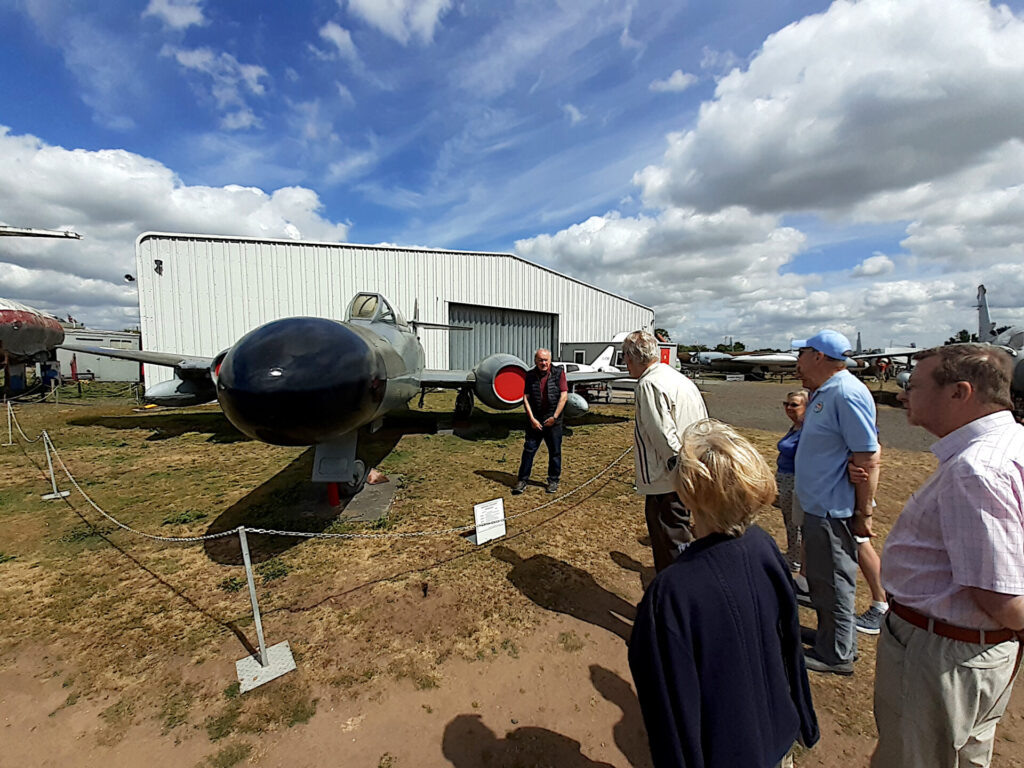
Tuesday 30th June - Midland Air Museum, Coventry
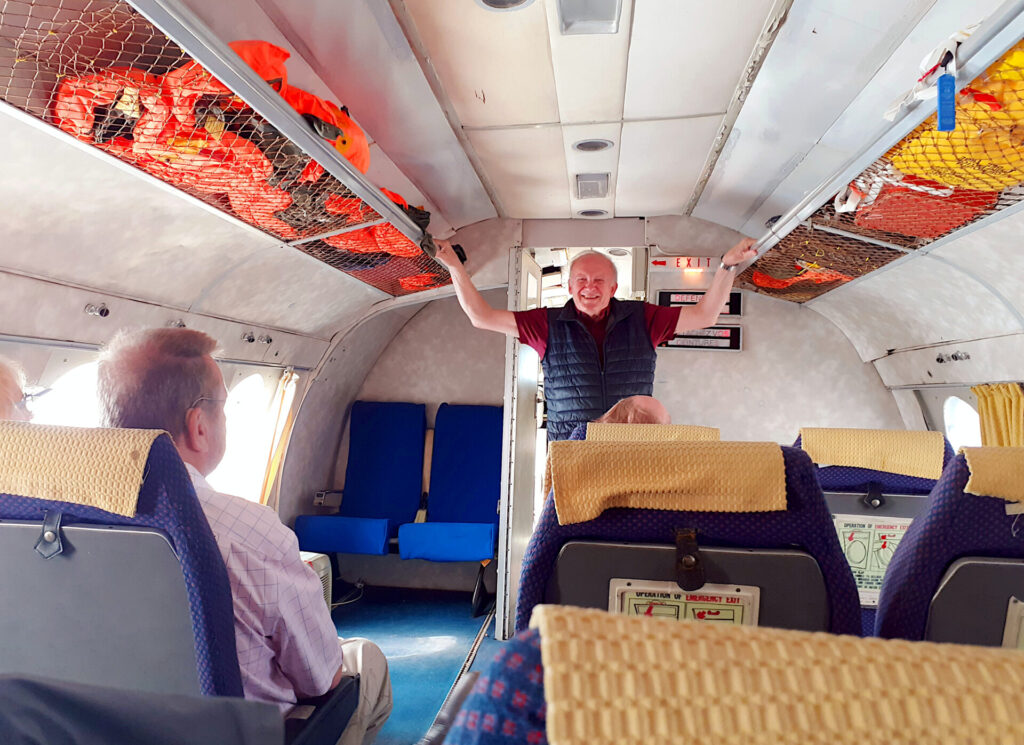
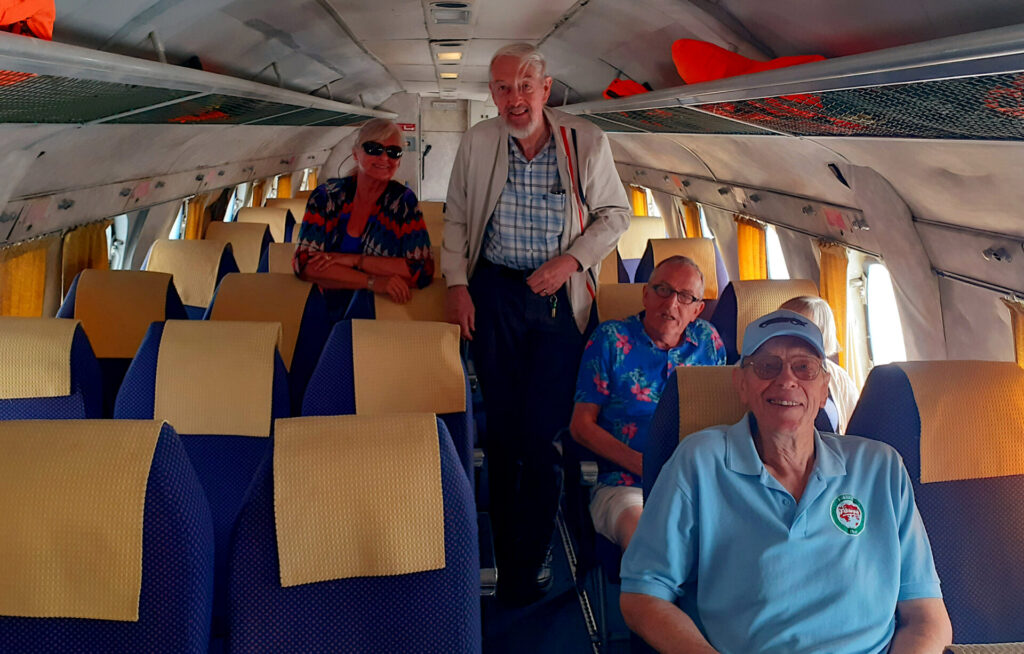
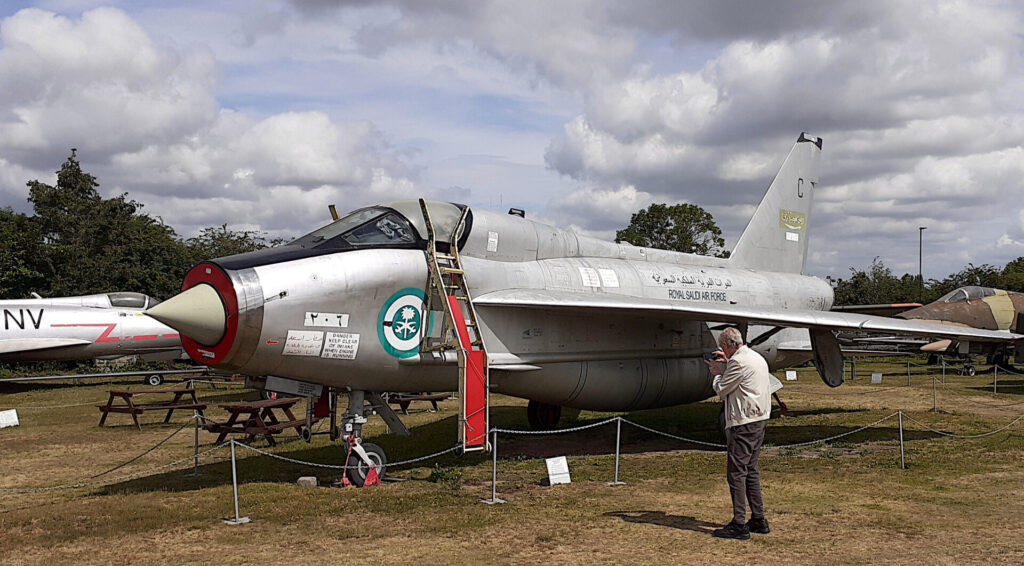
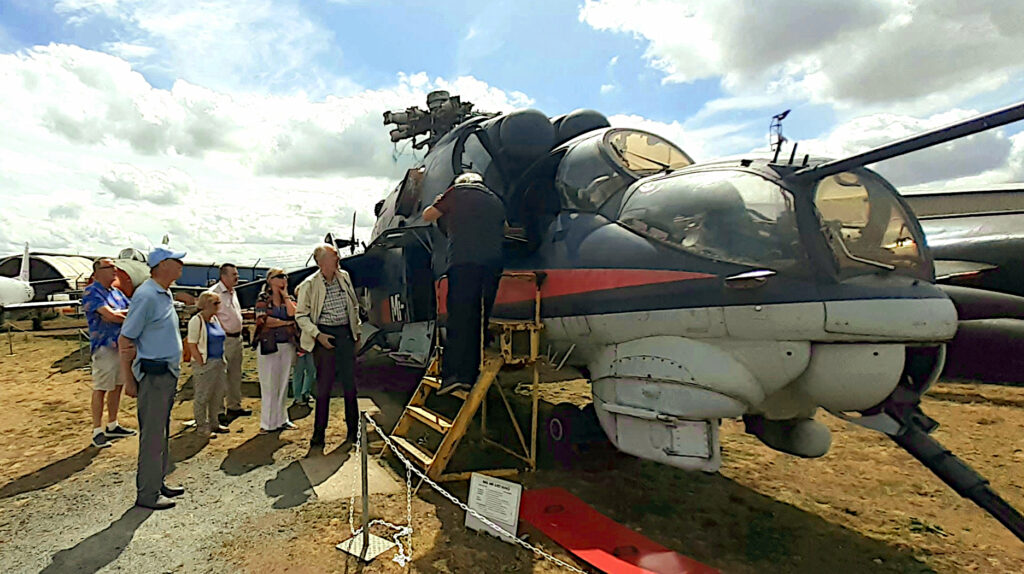
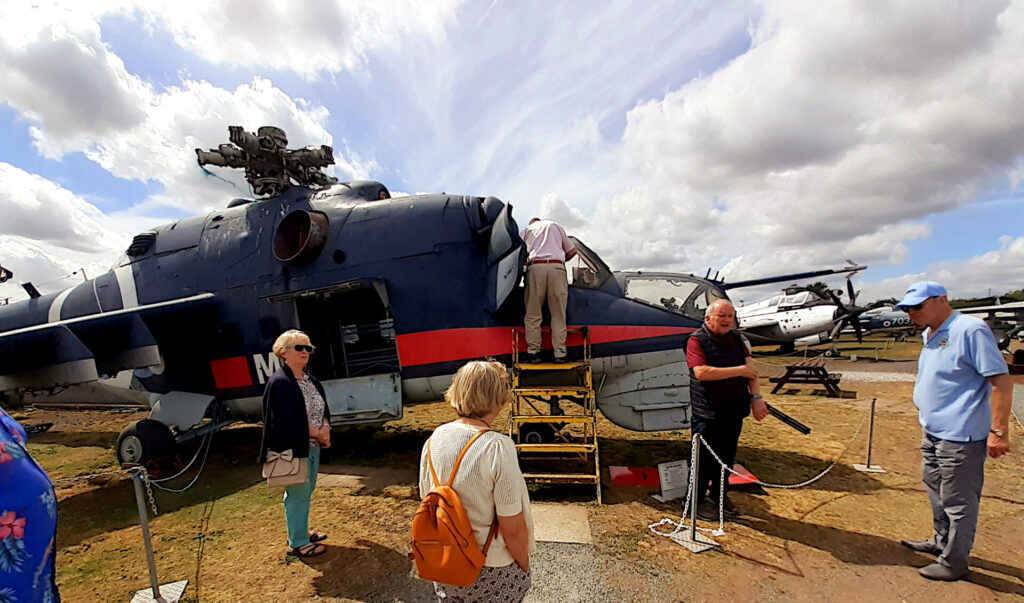
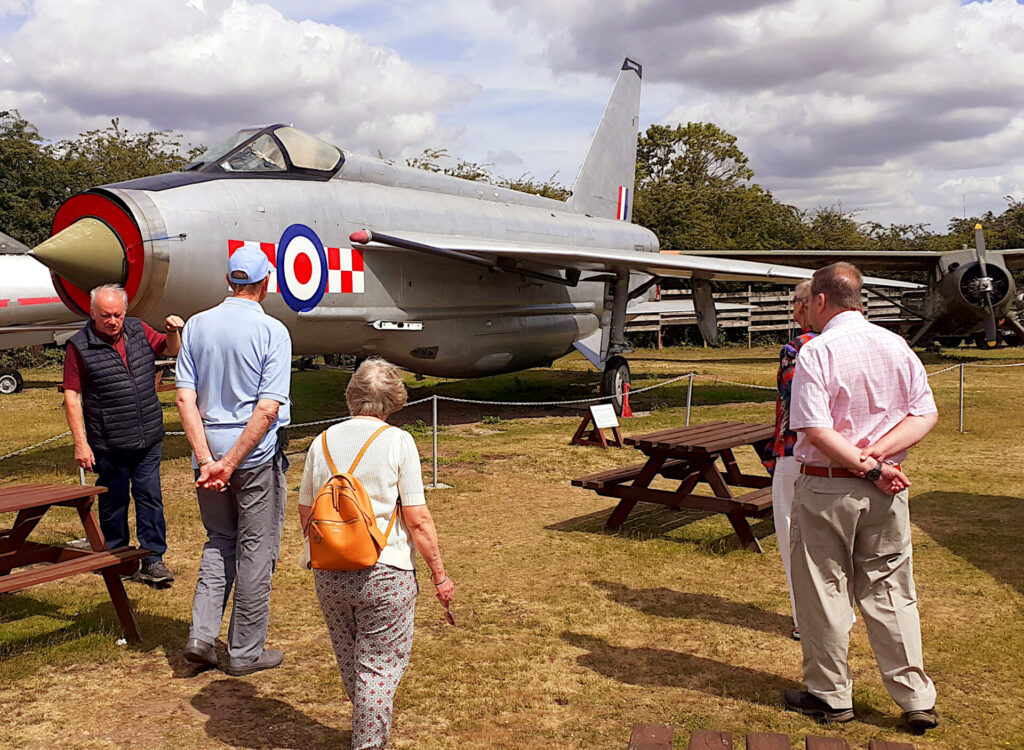
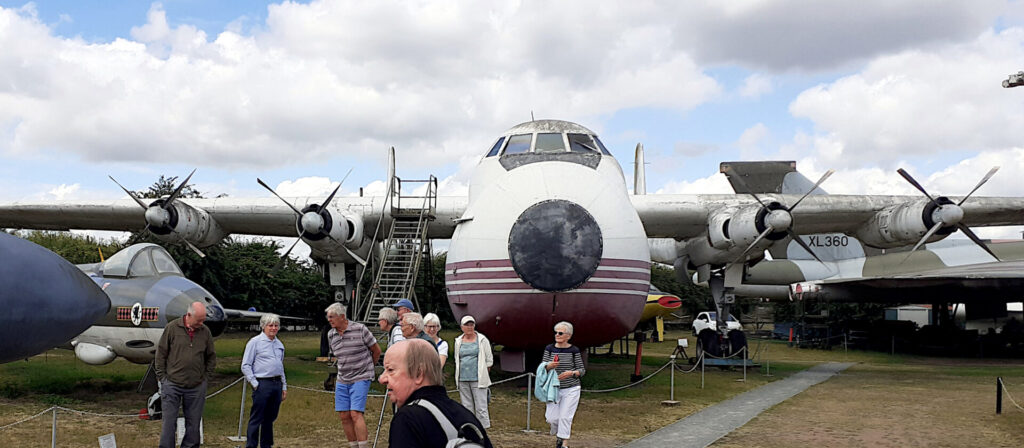
20 members of the u3a assembled at the Midland Air Museum, Rowley Road, Baginton. Located beside, the now closed Coventry Airport, the museum sits at the heart of a region known for its aviation, engineering, and manufacturing history. Coventry and the surrounding area played a major role in Britain’s aircraft production and industrial innovation throughout the 20th century.
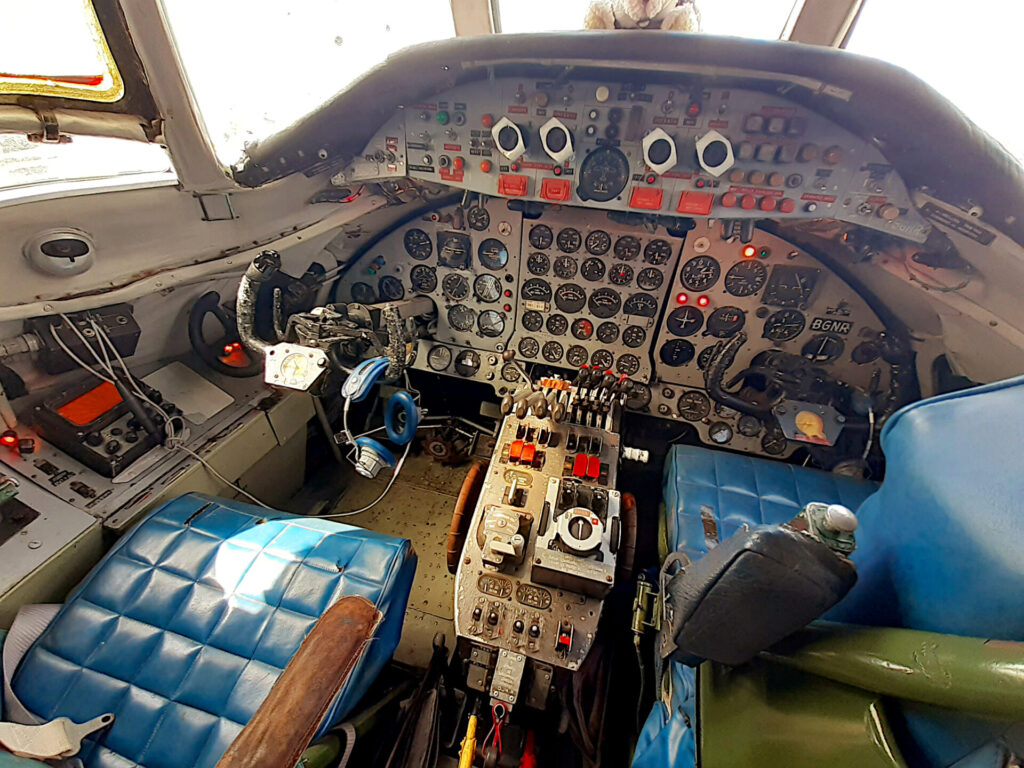
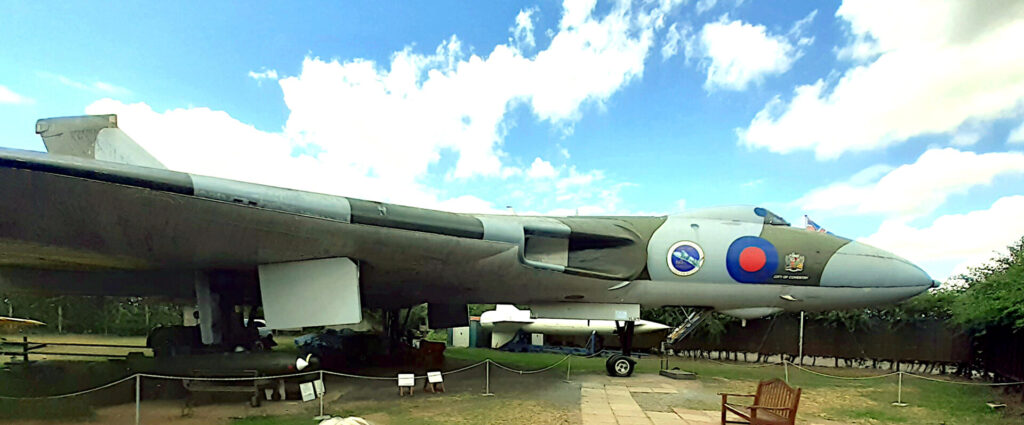
Since its inception in 1967 the museum has expanded to the tourist attraction it is today. It displays over 30 complete aircraft, the most famous is the Avro Vulcan Bomber. There ae also cockpit sections and a large indoor exhibition of displays relating to the local areas involvement in the aero industry
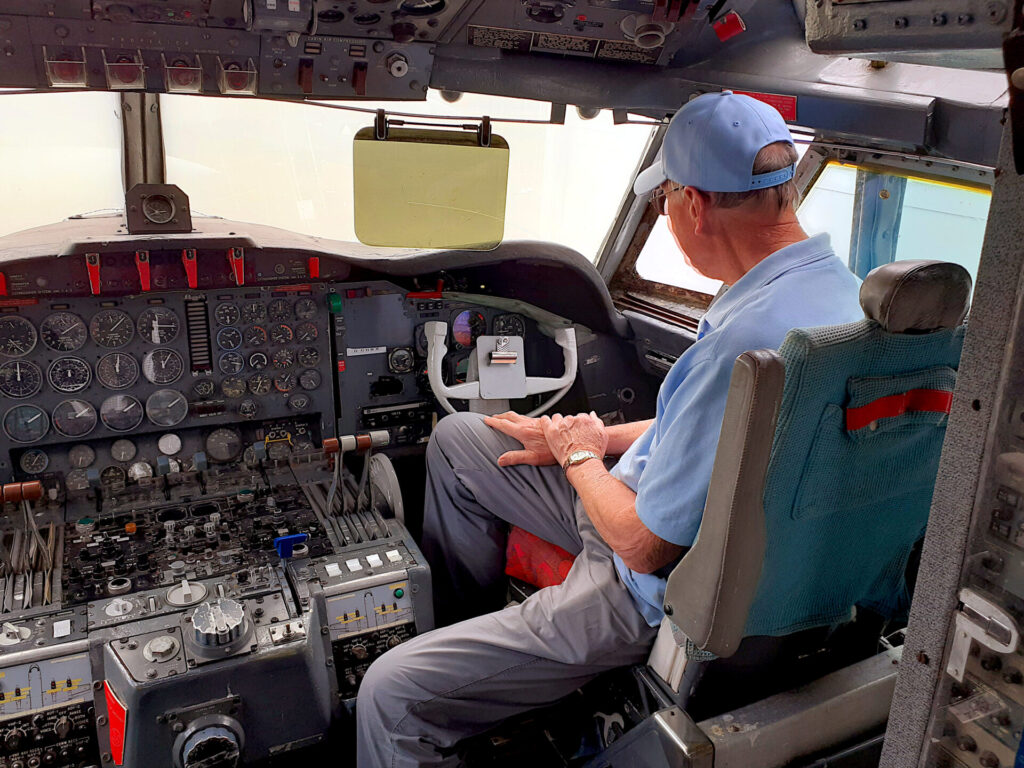
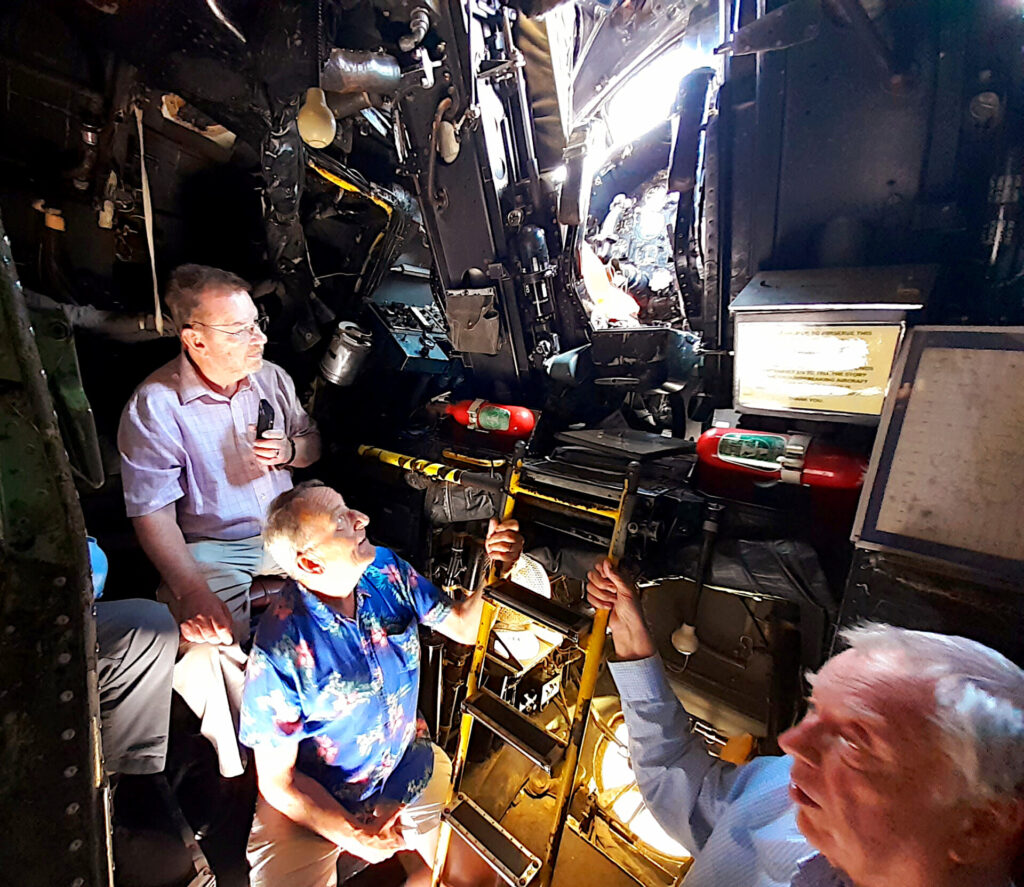
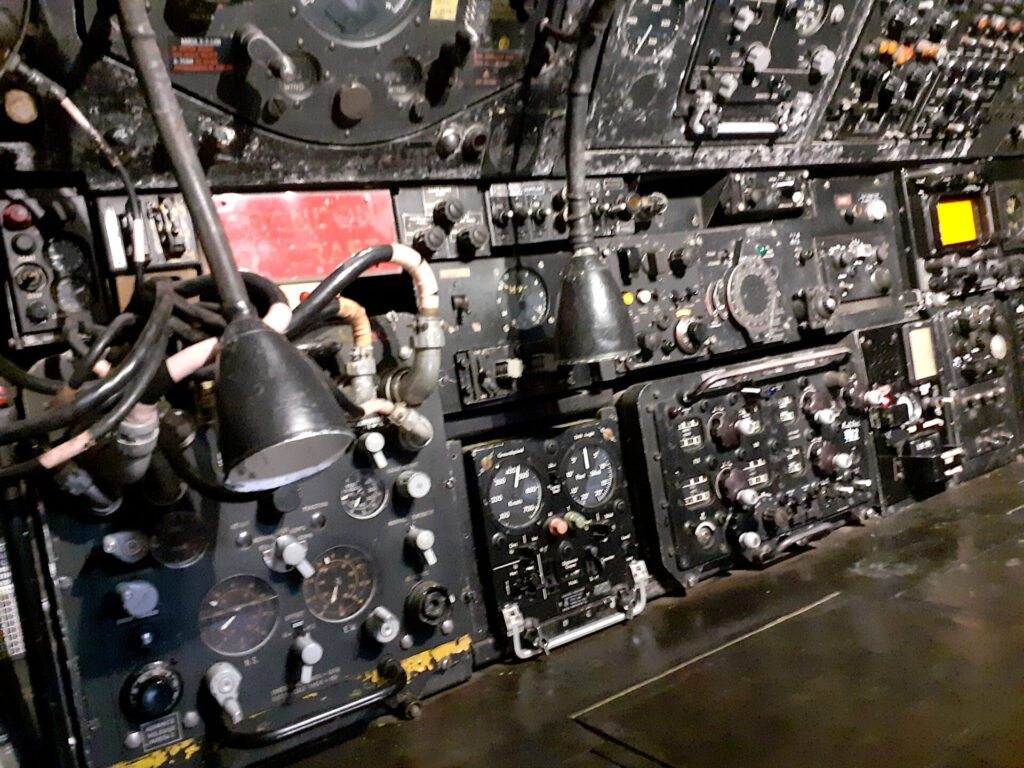
We were split into two groups and had excellent guides, ex RAF pilots whose knowledge of the exhibits was exemplary. They told us about the history of the exhibits and allowed us to enter many of the cockpits. Climbing into the cockpit of a Vulcan Bomber, exactly the same way the 5 man crew would have done was an experience and to imagine their confinement during 4 to 8 hour flights.
Friday 22nd May - Lord Leycester Hospital, Warwick
On 22nd May, 20 of us visited this venue in Warwick. We were greeted by Brother John Maughan, one of the seven residents who live there.
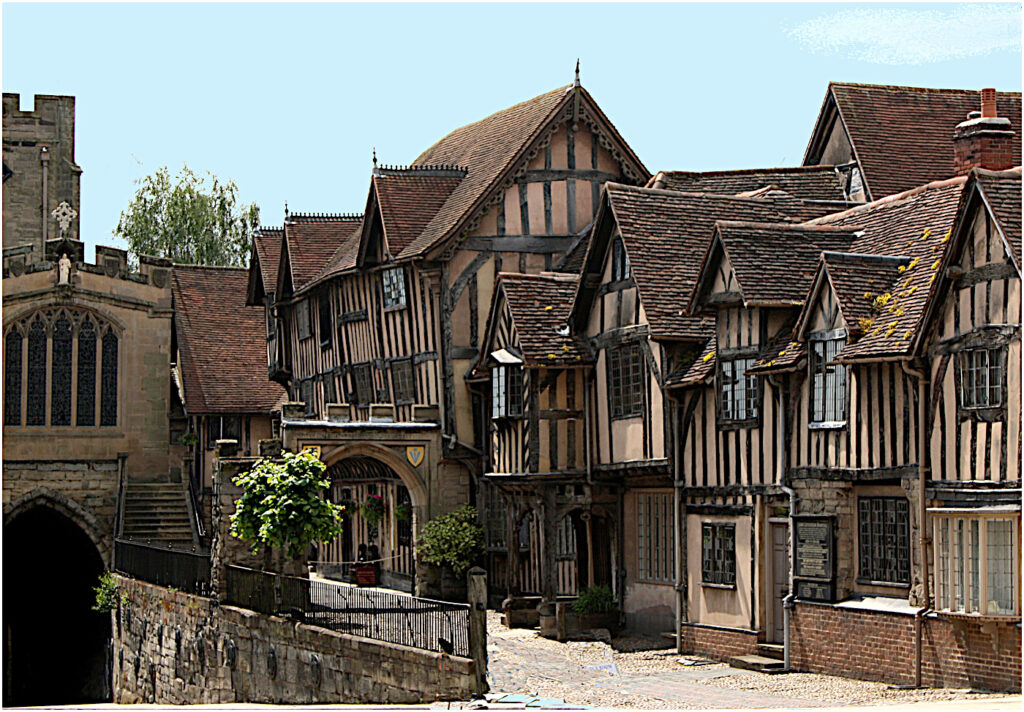
He started off by telling us that the premises were not a hospital as we know them but a venue that provides hospitality. This is available to ex-servicemen. The building was constructed many centuries ago but it was Robert Dudley, friend of Elizabeth 1, who established it as a residence for ex-servicemen in 1571. By the 1950s the accommodation was no longer fit for purpose and had to be vastly updated.
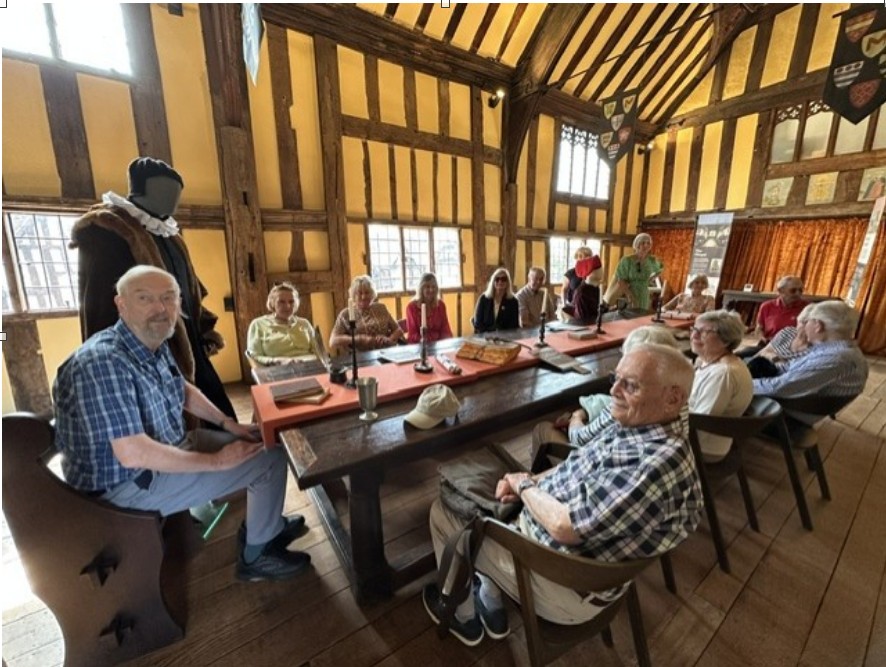
Although we were given a guided tour, there were information boards around providing lots of additional information. There were modern reproductions of clothes of the Elizabethan times which could be handled and there were recorded commentaries to listen to.
We were taken into many of the public rooms. One such room was the Brethren’s dining room, still used for meals once a month. In the room was a very old-fashioned mangle. It was a large wooden box filled with heavy stones used to flatten and dry bed linen. It was used regularly until the 1950s.
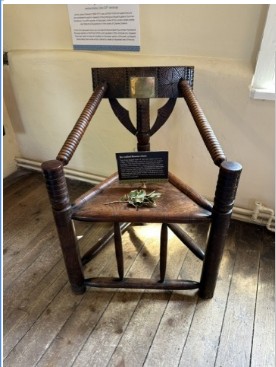
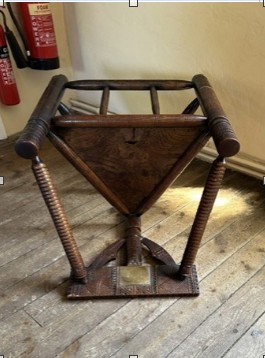
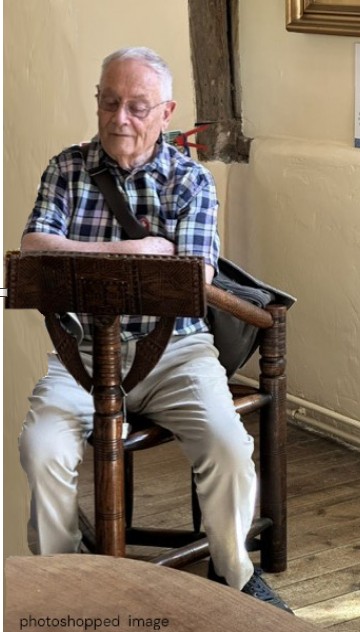
In the Master’s dining room, there was a most unusual chair called a gambling chair. It had three legs and two arms joined at the back to make a V shape.
Sitting in it conventionally, i.e. with your back against the joint where the arms joined, was not comfortable, but was also not the intended position.
George Michell bravely volunteered to follow Brother Johns instructions. The chair was laid on the floor so that the arms pointed upwards. He then stepped into the spaces between the arms and the seat and pulled the chair up like pulling up trousers. In the event of dispute during a gambling session a person’s gun or sword could not be easily accessed and it would have been difficult to get out of the chair to make a quick exit.
The last building we went into was the Chapel which is over the old Westgate into the town. Strangely, it is not licensed for weddings although two of the other large halls are. However, it is used for blessings after weddings held in the other halls. Funerals and christenings are held in the chapel as well as regular prayers. The public may attend these on the first Monday of the month.
Our last stop on the tour was the gardens. They were delightful with lots of small enclosures for flowers or vegetables. Also, they were surprisingly peaceful considering we were in the centre of Warwick.
About thirteen of us stopped in the restaurant for our lunch. It was the Great Hall built as part of the hospital but serving very modern food. A pleasant way to end a most interesting tour.
Wednesday 29thApril 2026 - Chedhams Yard - Wellesbourne
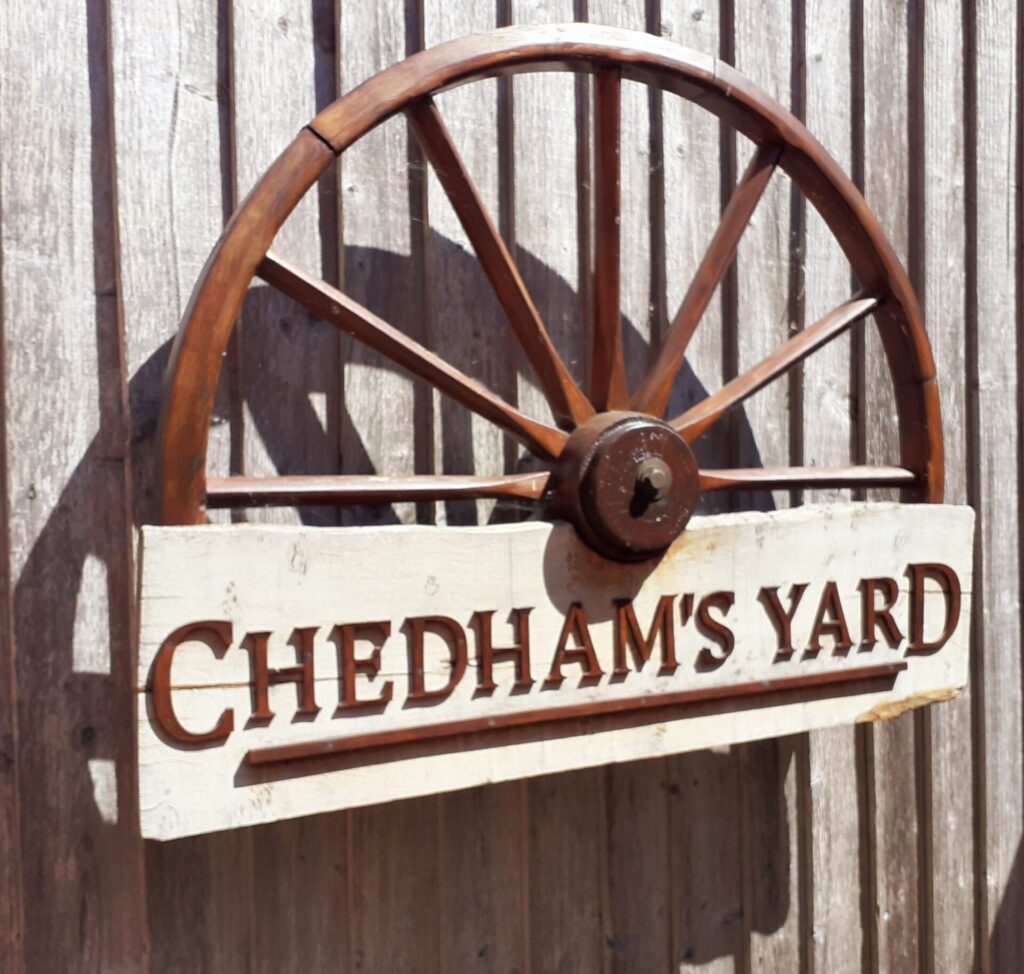
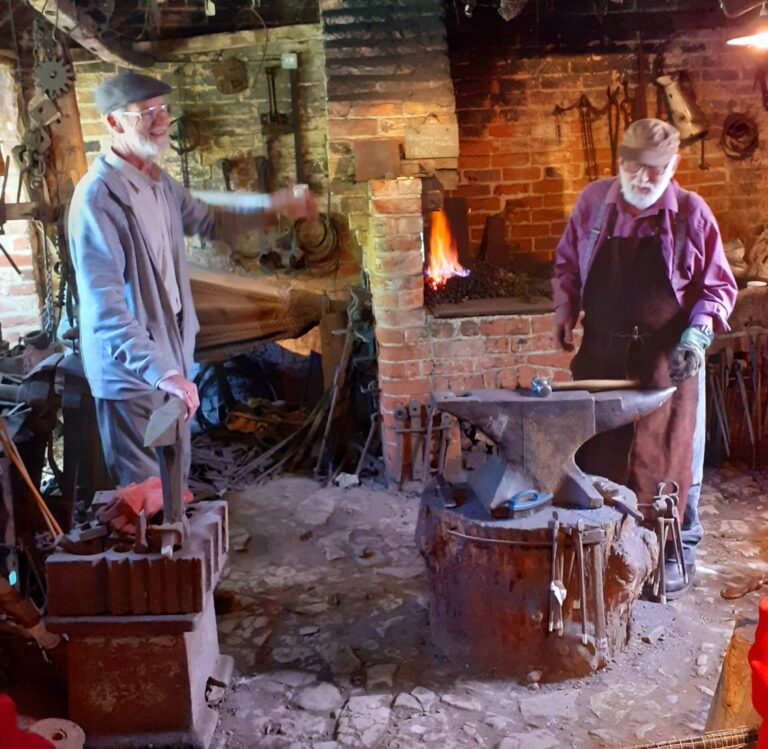
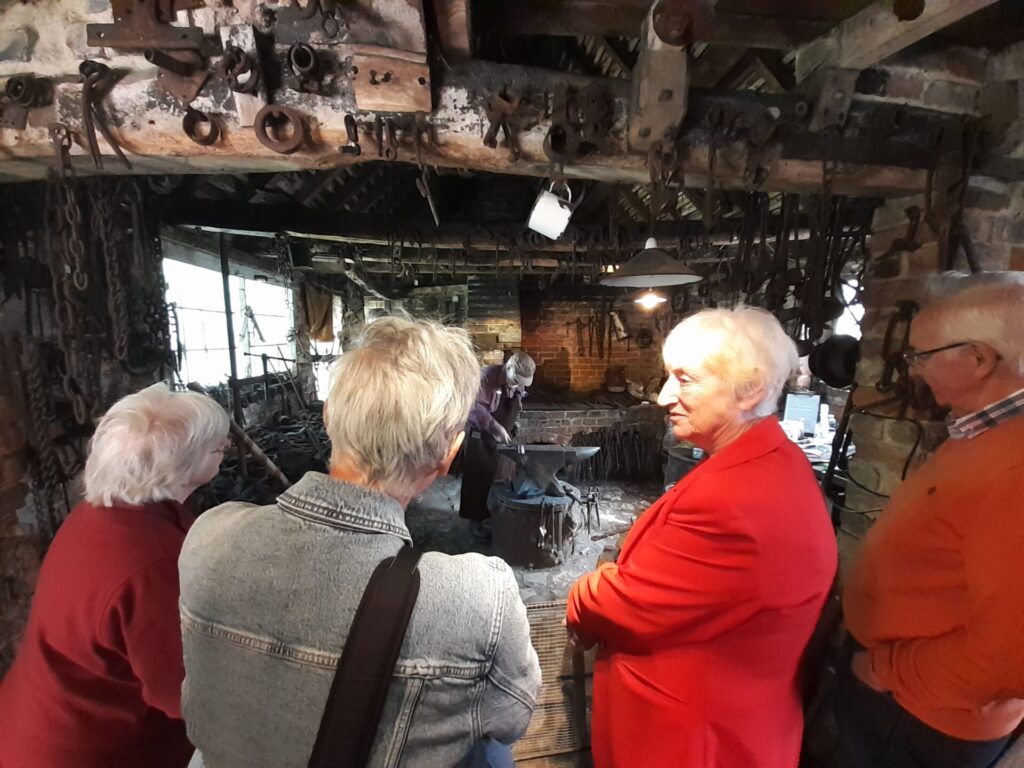
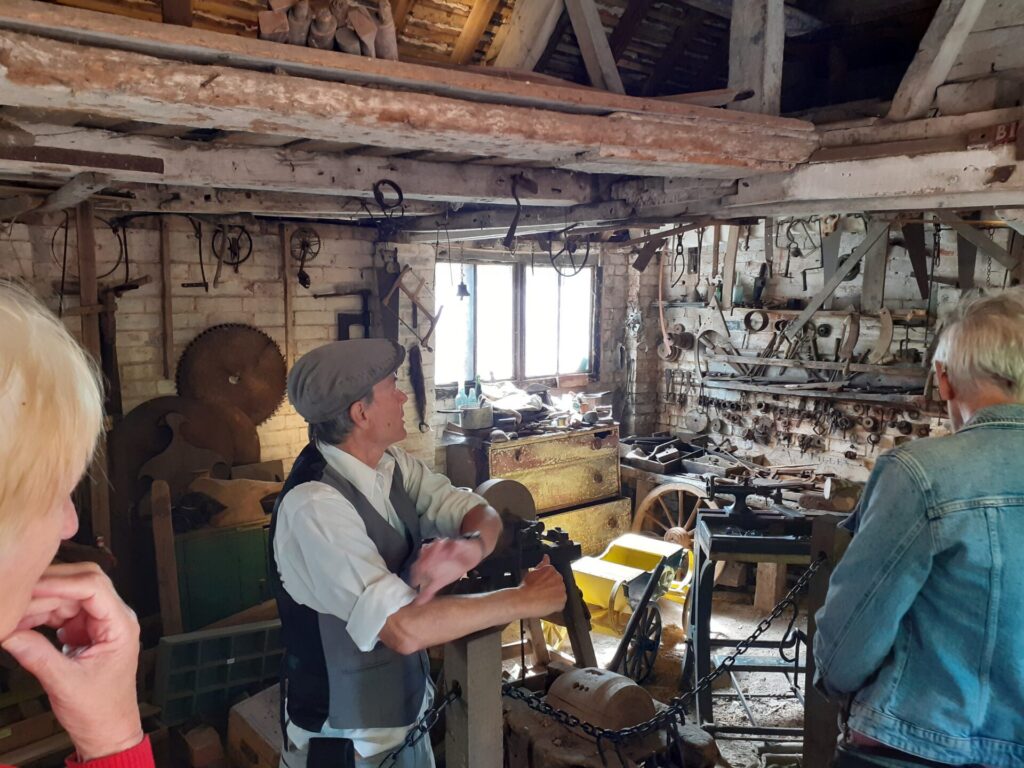
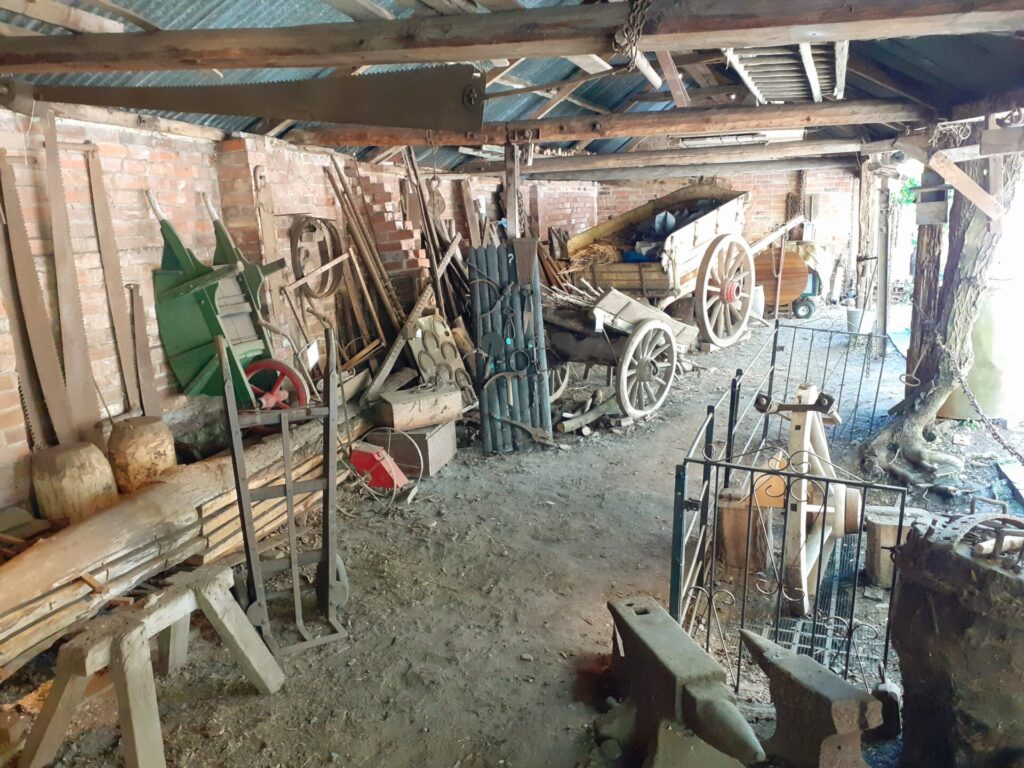
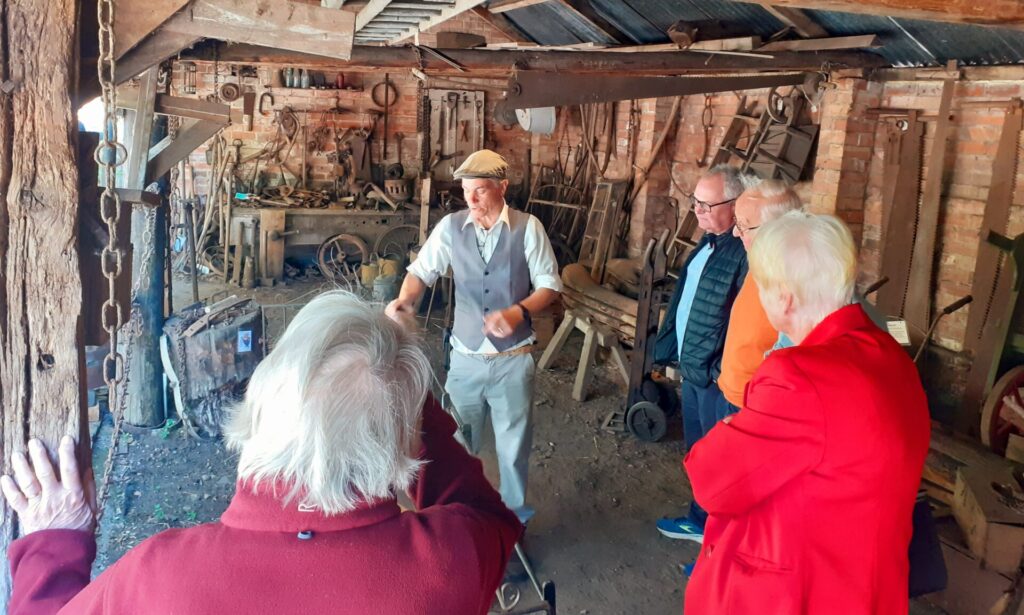
24 members of our u3a visited Chedhams Yard in Wellesbourne. For 150 years there was an active blacksmiths’ and wheelwrights workshop at this location – until the mid 1960’s when Bill Chedham, the fifth generation of the family business finally closed the gates and walked away, closing the business. In 2000 the yard was rediscovered with all the equipment and parts as Bill Chedham had left them, a time capsule to former times. Wellesbourne Council bought the yard to maintain the site as it was. In 2006 Chedham’s yard won the BBC 2 Restoration Village competition and was awarded £1 million. This started a restoration project by some enthusiastic volunteers.
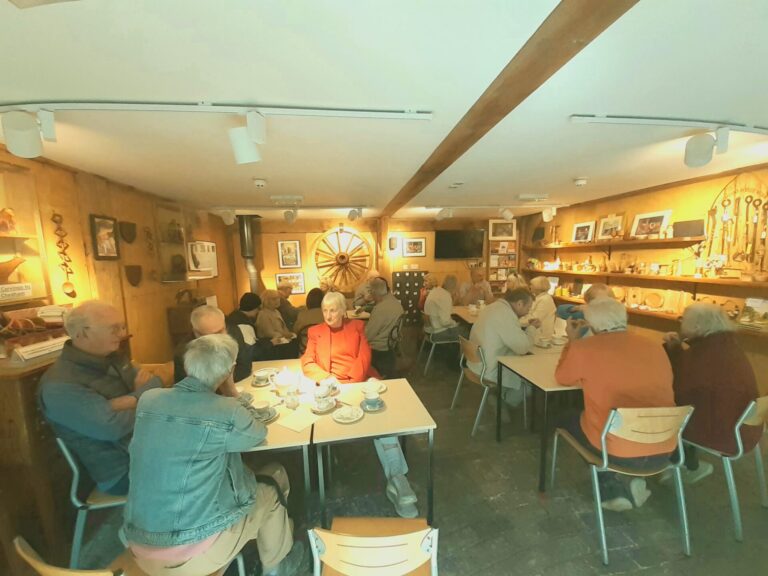
Today’s visit started with refreshments in their small cafe and we were told about the history of the yard and Chedham family. We then divided into 3 groups and with seperate guides spent time in each of the workshops. In the blacksmiths shop we had a talk and a demonstation of the blacksmiths skills. In the wheelright shop we were told how a cart wheel was made and shown the various tools and equipment used in the process. Finally we watched a wood turner demonstrate his skills.
Wednesday 25th March 2026 - St Marys Guildhall - Coventry
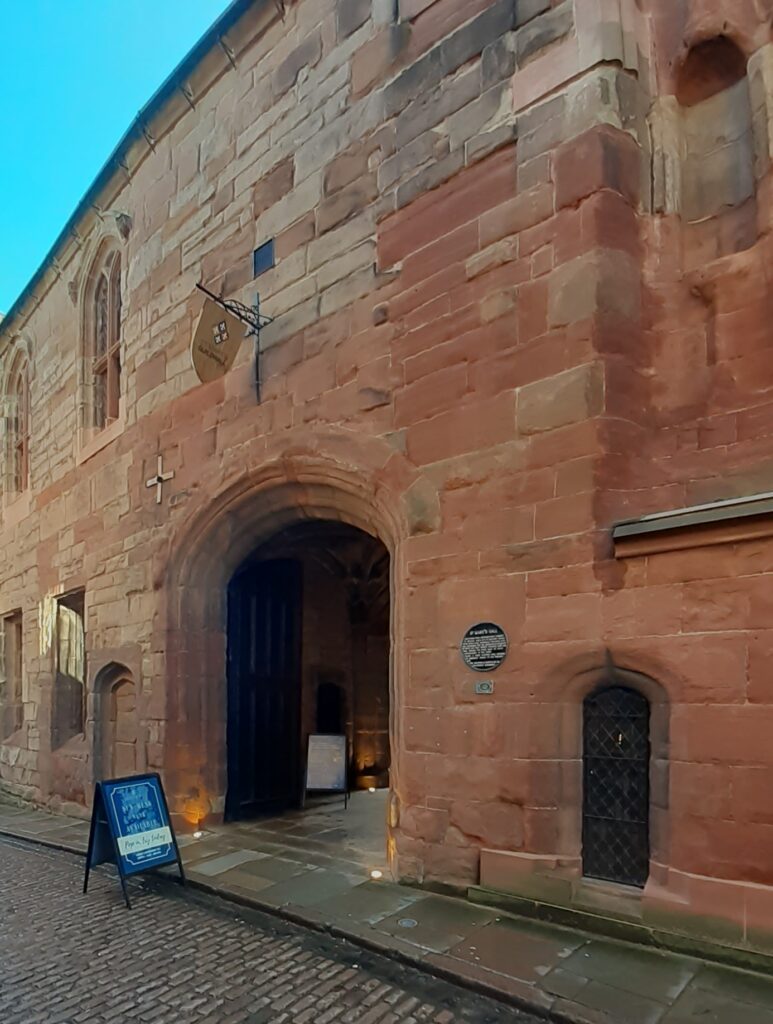
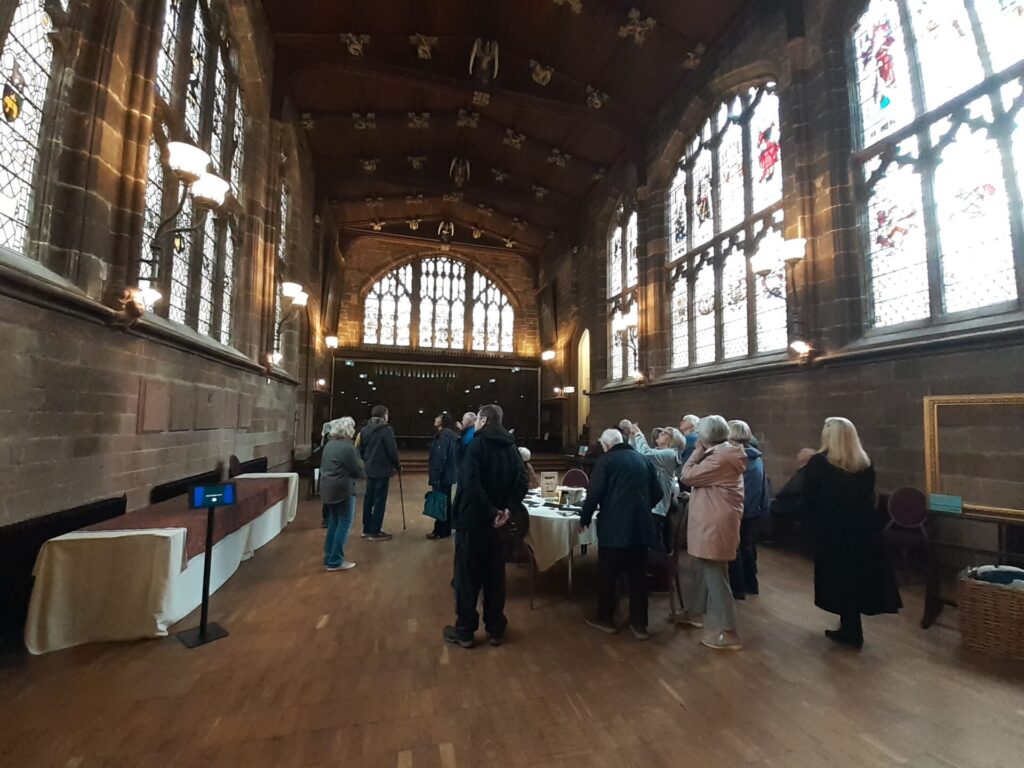
On Wednesday 25th March members of the Out and Group visited St Mary’s Guild Hall in Coventry. We were given a guided tour by Mistress Mary.
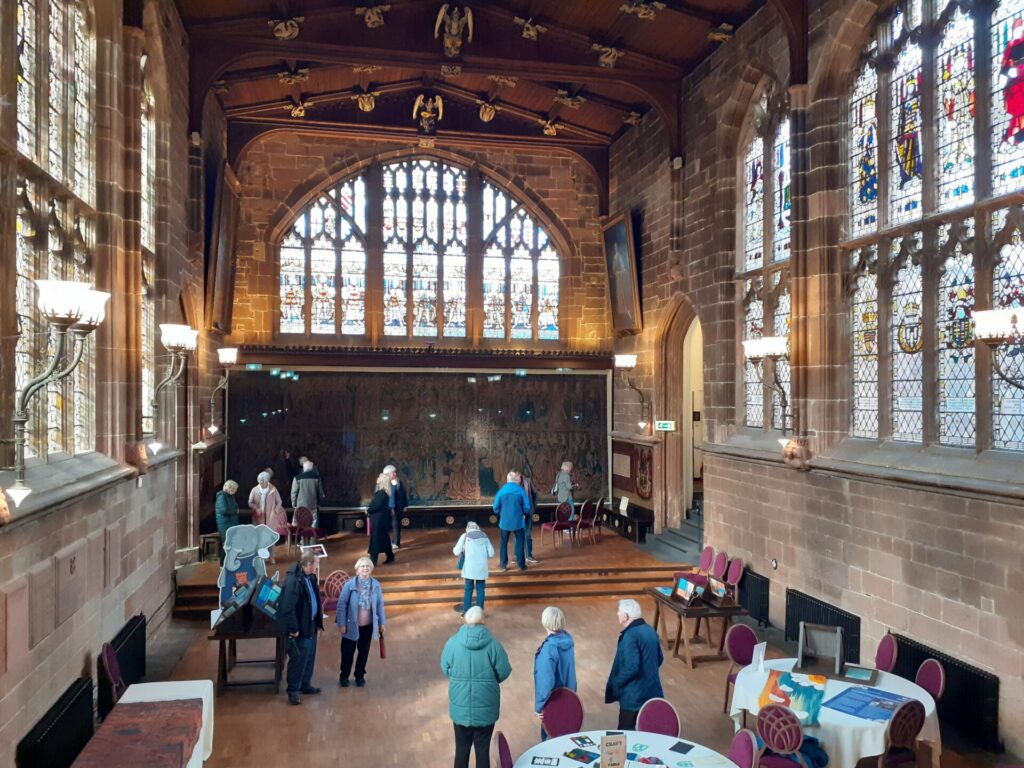
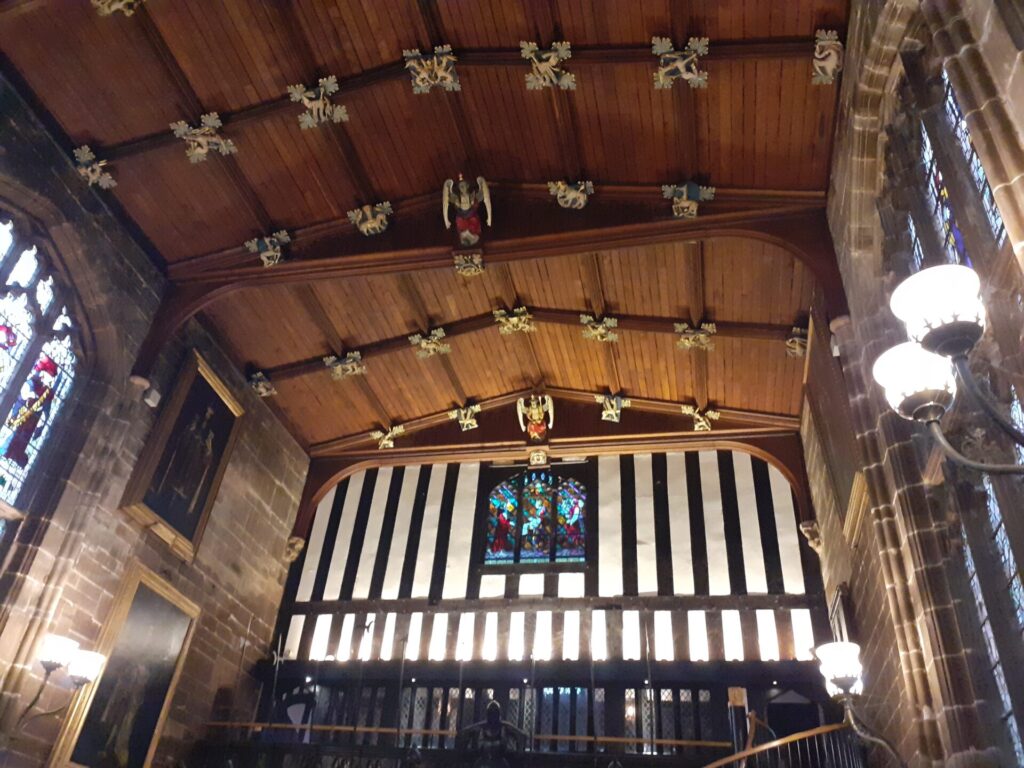
The first Guildhall was a wooden construction built in the early 1340’s for the Guild of St Mary. In about 1392, a major construction programme started. The first hall was demolished. Over a period of about 40 years a larger hall was rebuilt in stone, now the Great Hall, with a complex of rooms built around it. These included a kitchen and ancillary rooms, meeting rooms, a gatehouse and entrance porch.
The Guildhall was damaged during the bombing raids of the Second World War. Caesar’s Tower, which was largely destroyed, was subsequently rebuilt. Damage to the Great Hall roof and the Armoury was also repaired. There have been programmes of redecoration, renovation, restoration, alterations, modernisation, and periods of neglect.
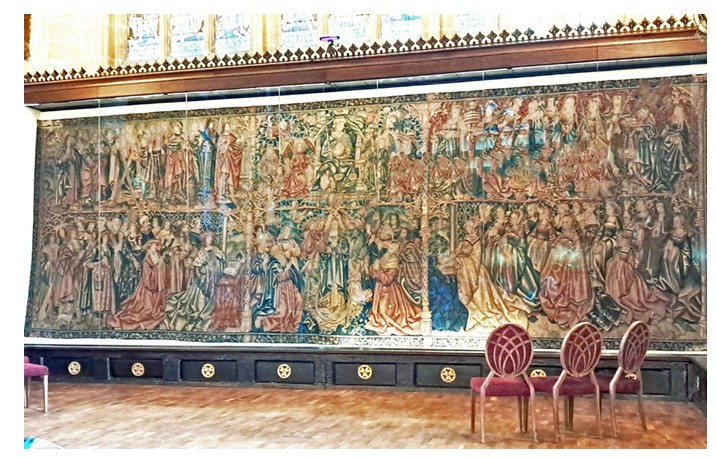
The restoration of the Guildhall in 2020 revealed parts of the original building that have been hidden. Allowing the full magnificence of the Coventry Tapestry to be revealed.
Our tour included the original kitchen. Actually 4 kitchens that cooked food for the feasts held in the Great Hall. Mistress Mary told us about the working conditions in the kitchen. She also described the features of the Coventry Tapestry. This tapestry, commissioned and created between 1505 and 1515, is the oldest in the UK still hanging in its original position.
After the tour the members retired to the atmospheric Tales of Tea cafe to enjoy tea and a cream scone.
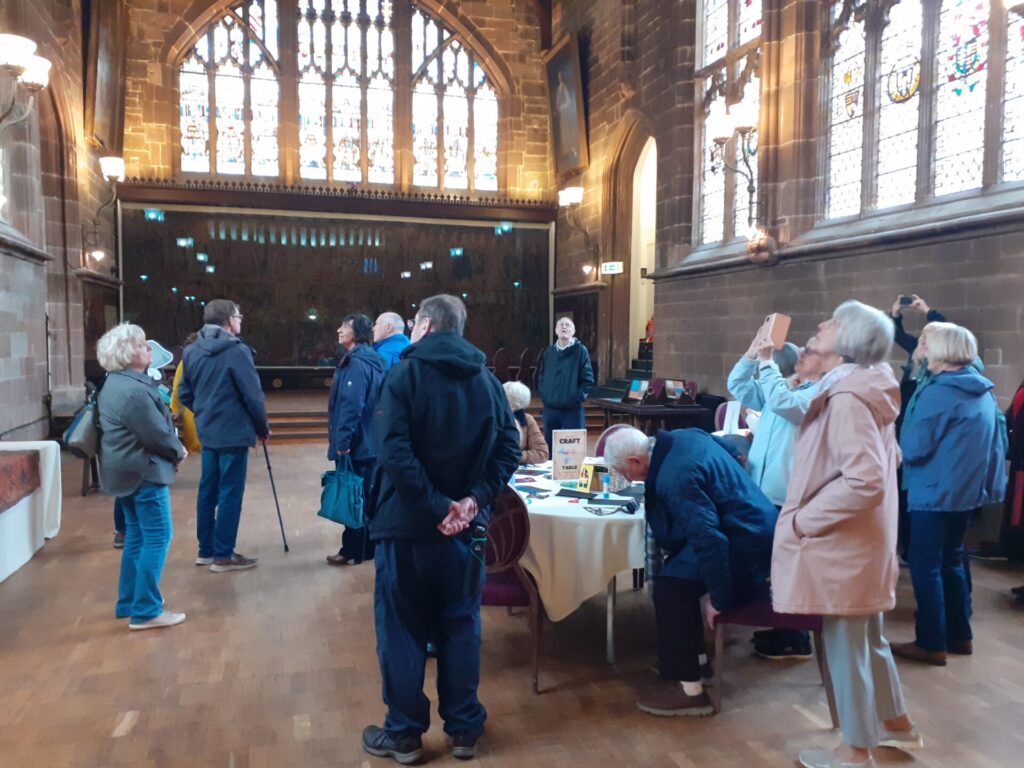
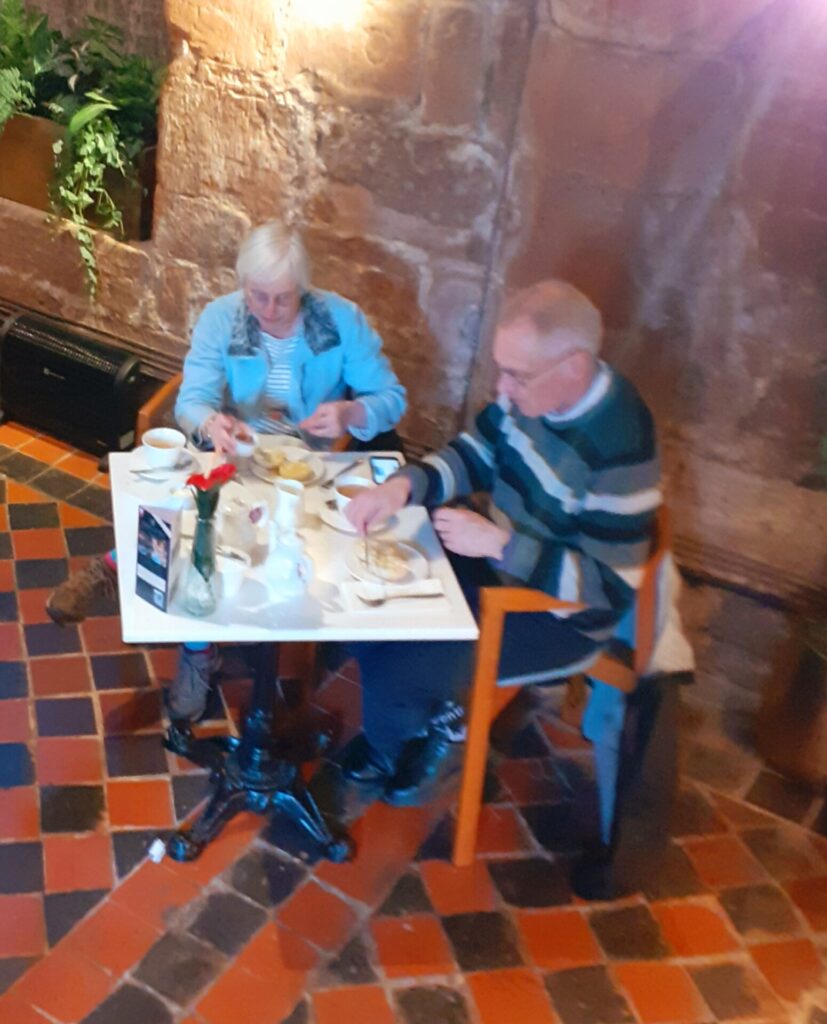
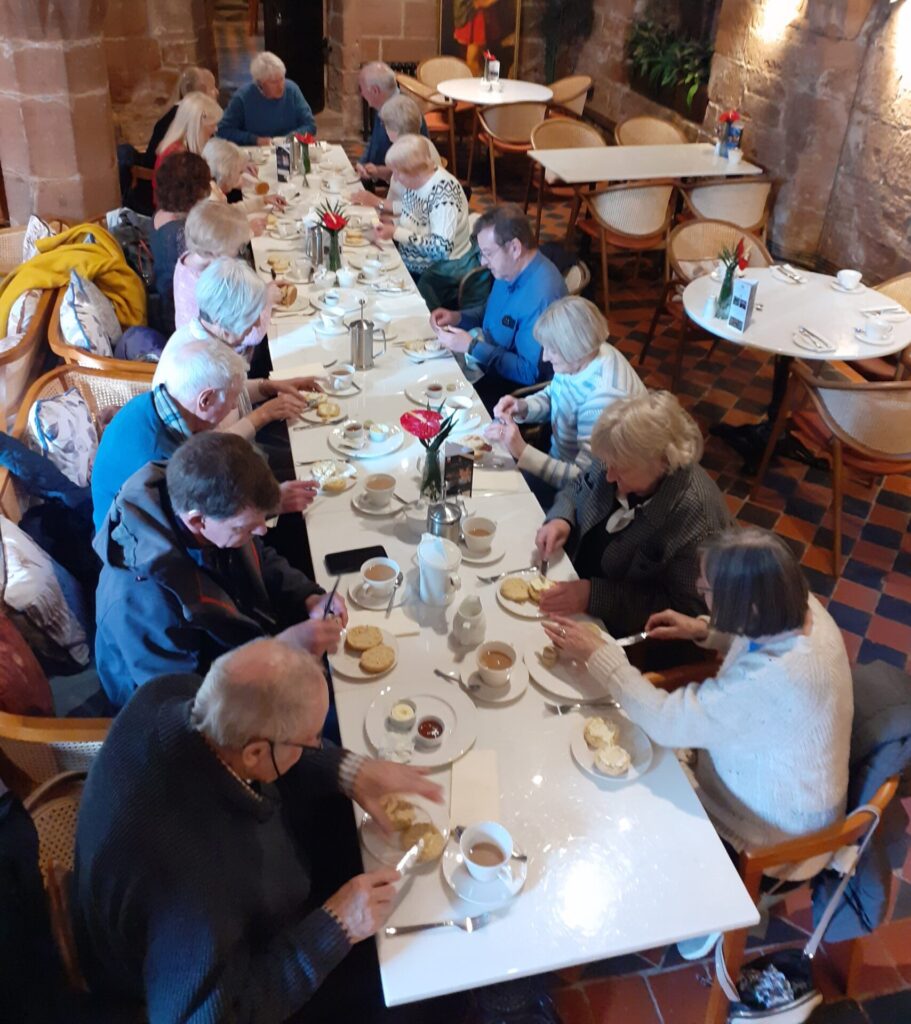
Cream Tea after the Tour
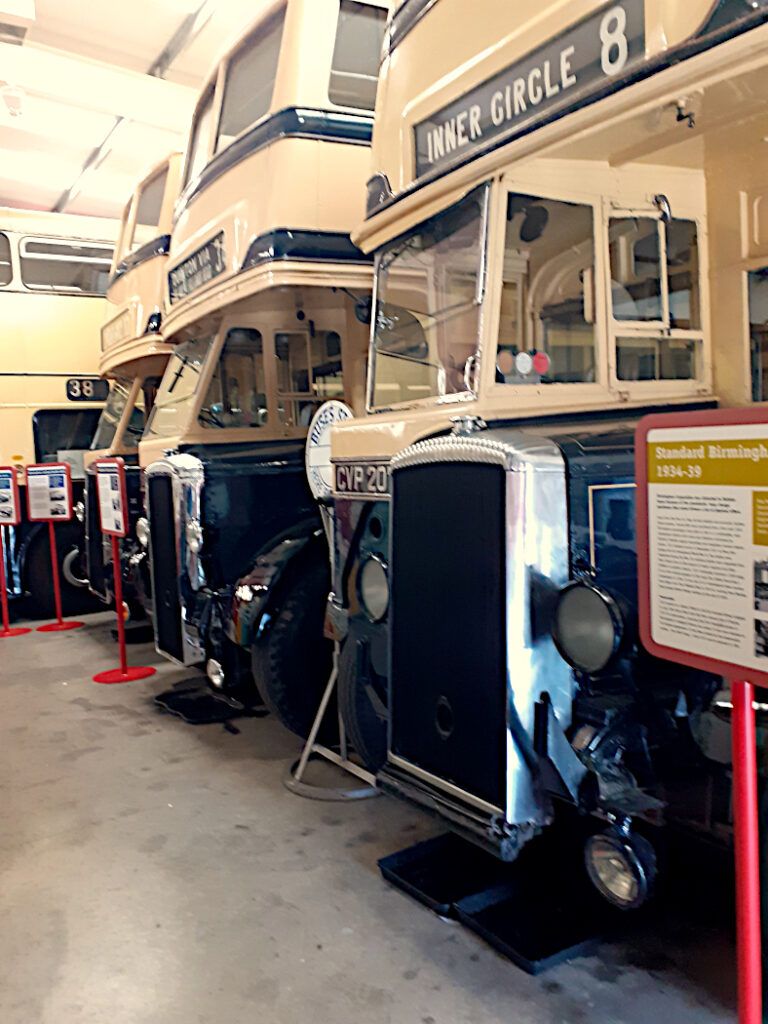
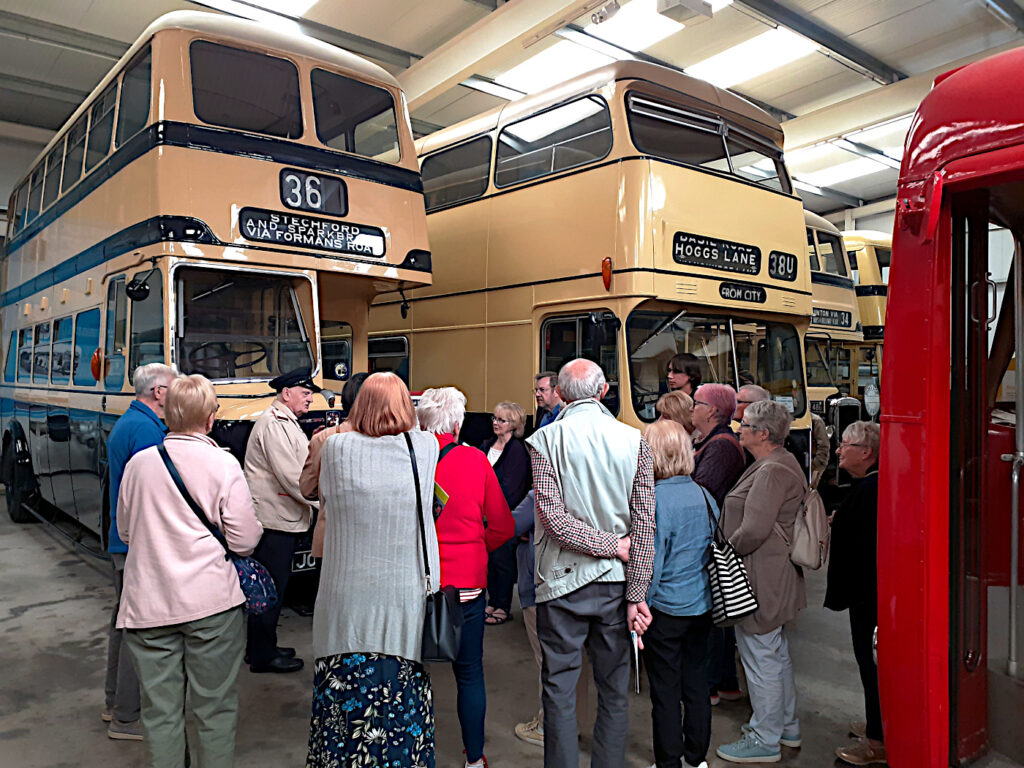
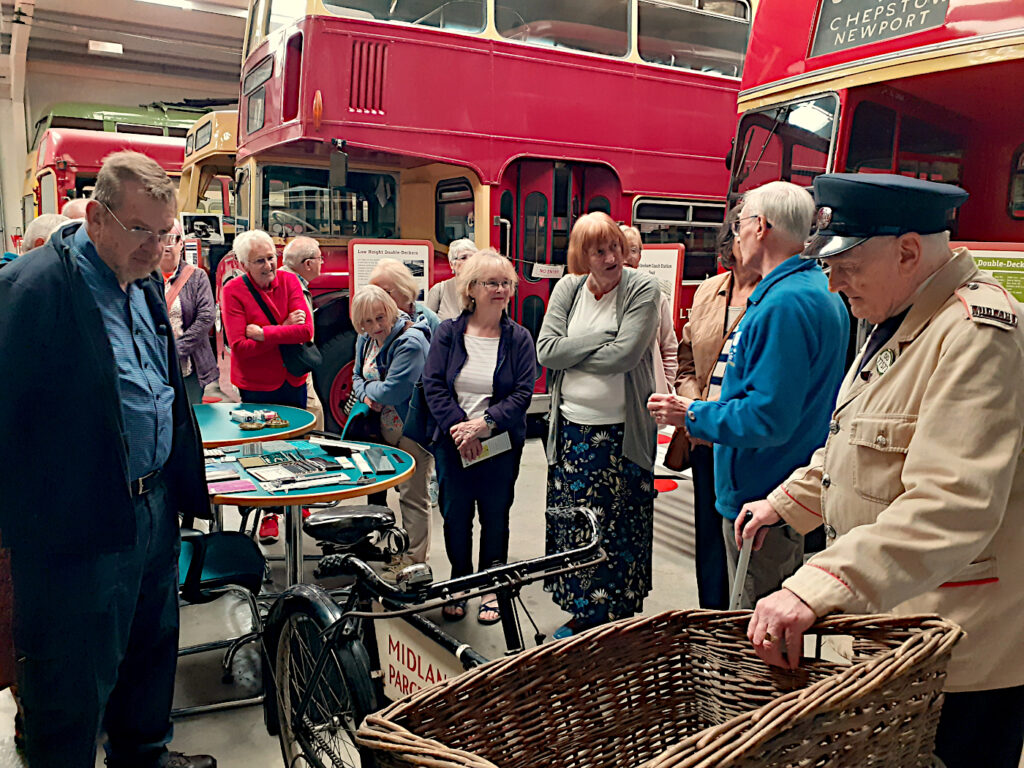
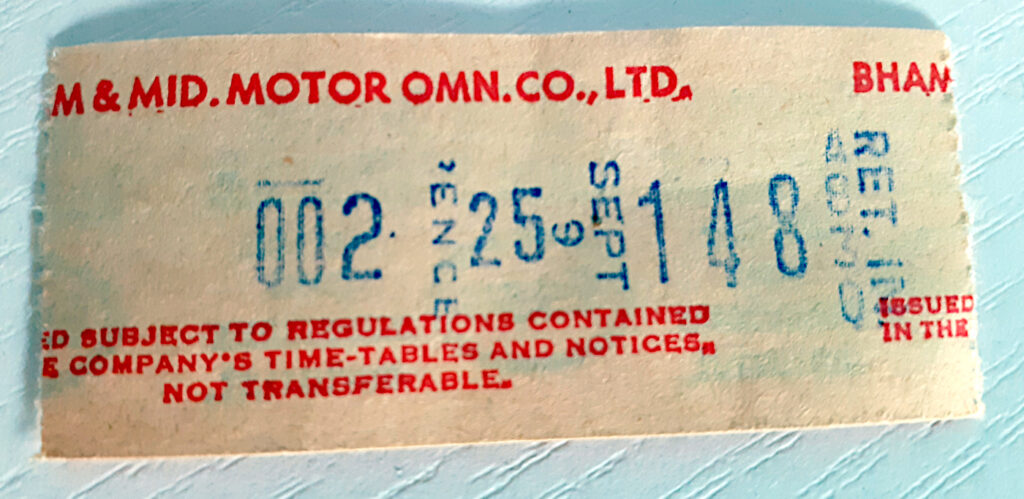
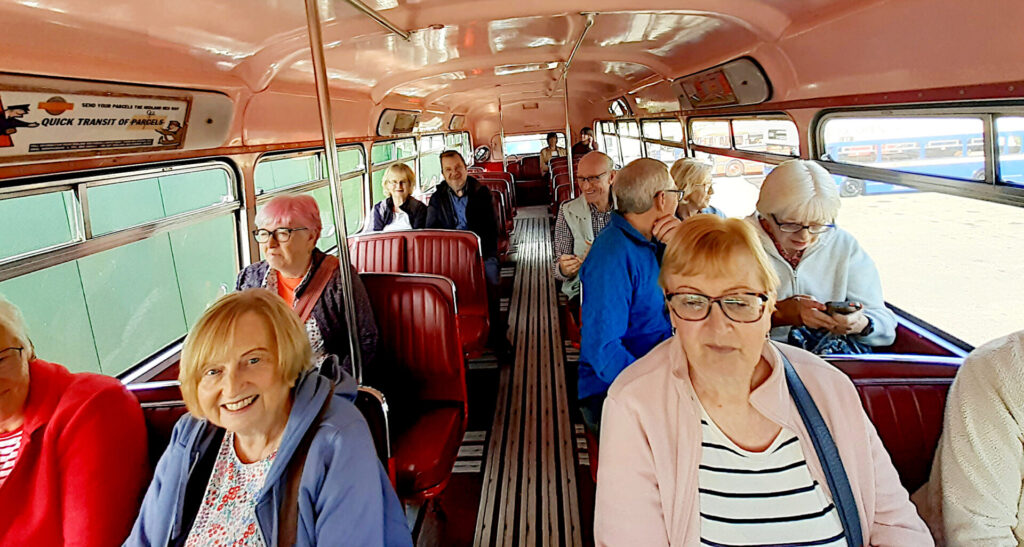
Tuesday 9th September 2025 - Wythall Transport Museum
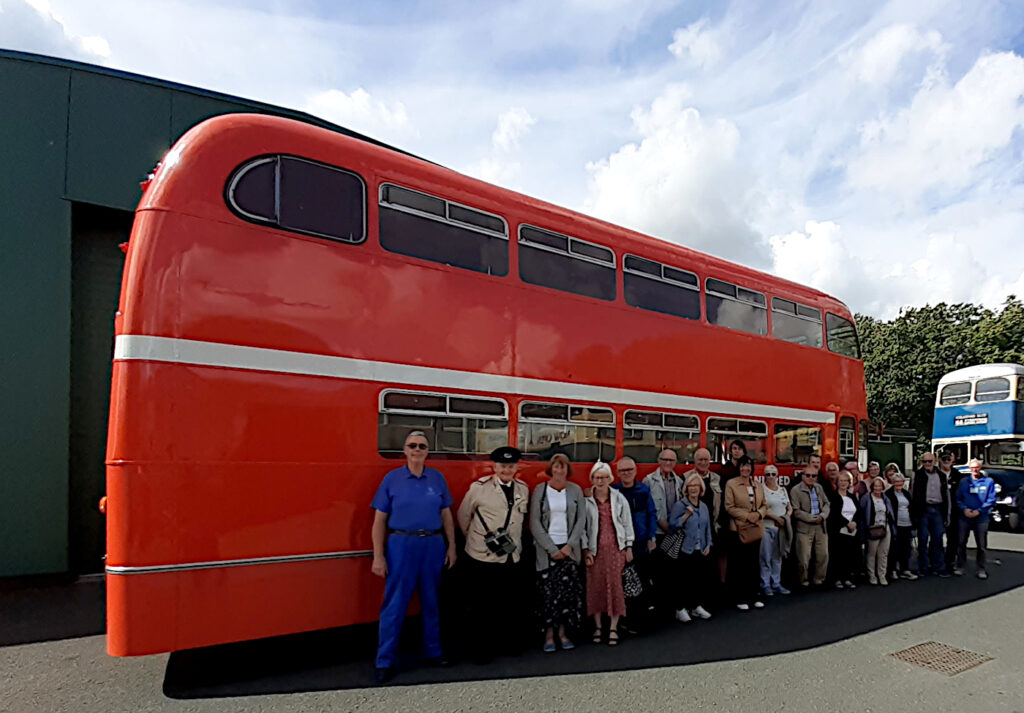
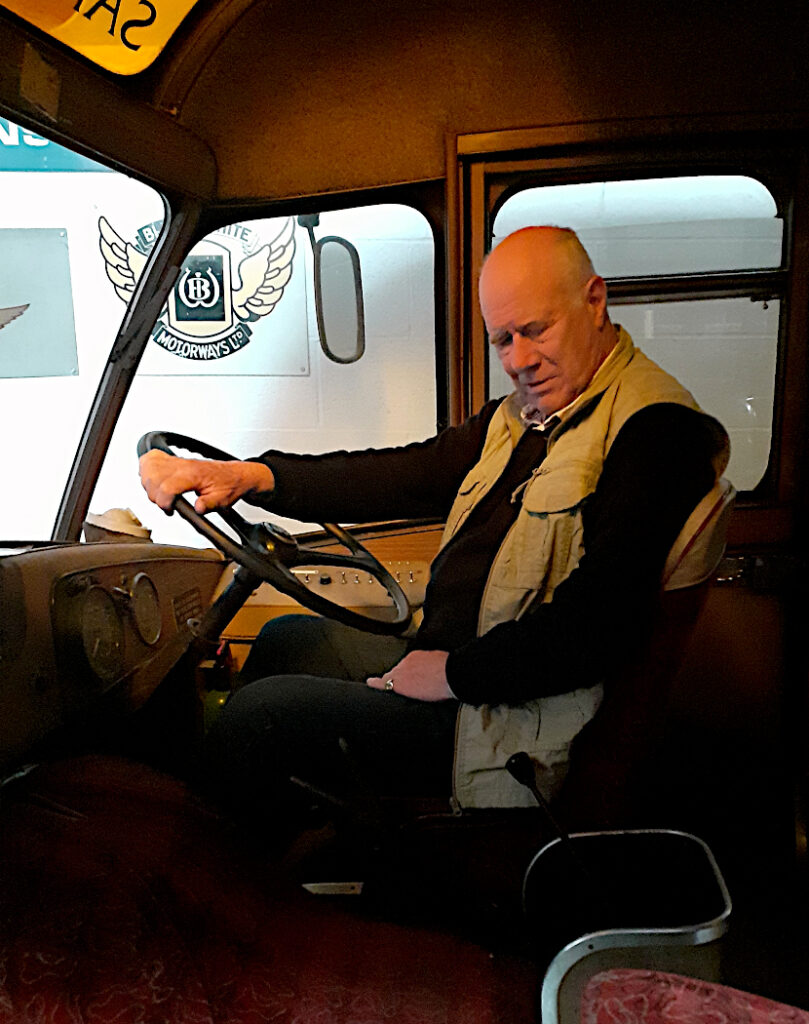
We were met and guided around the site by Alan Shadworth and his brother Dennis. Their knowledge and enthusiasm for the Museums contents were second to none.
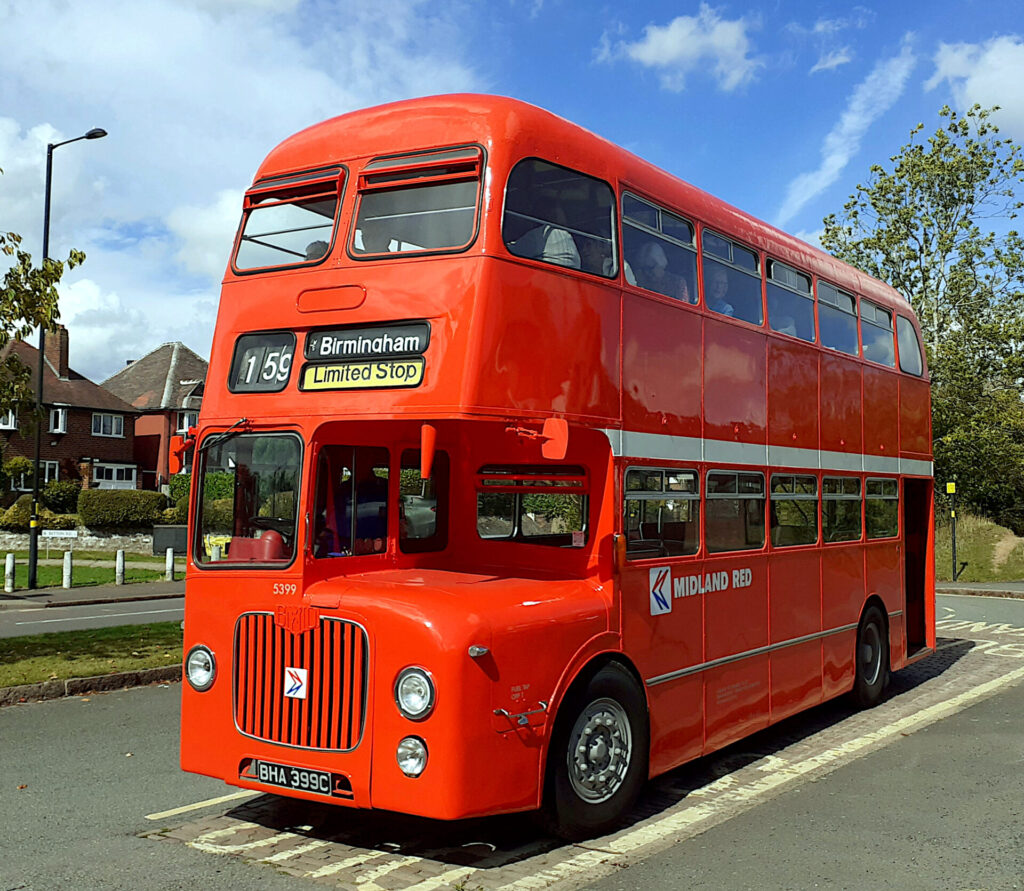
The museum is home to over 90 buses. Midland Red, WMPTE blue and cream and the corporation fleets from Birmingham, Walsall, West Bromwich and Wolverhampton are all represented, plus local independent operators. It is also the home to the largest collection of battery electric road vehicles, including over 30 electric milk floats and bread vans from operators such as the Co-op, Midland Counties and Birmingham and Handsworth Dairies.
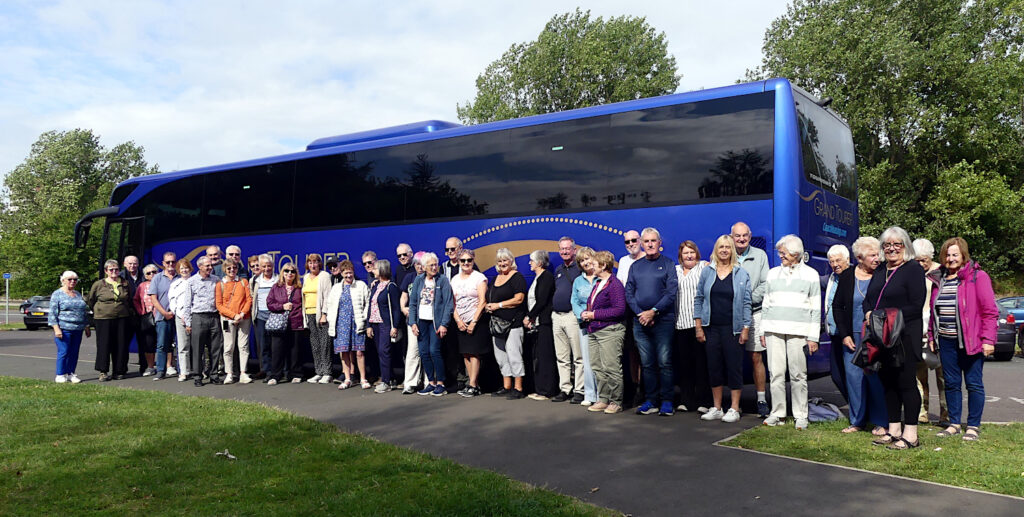
July 2026 Coach Break to the Durham area
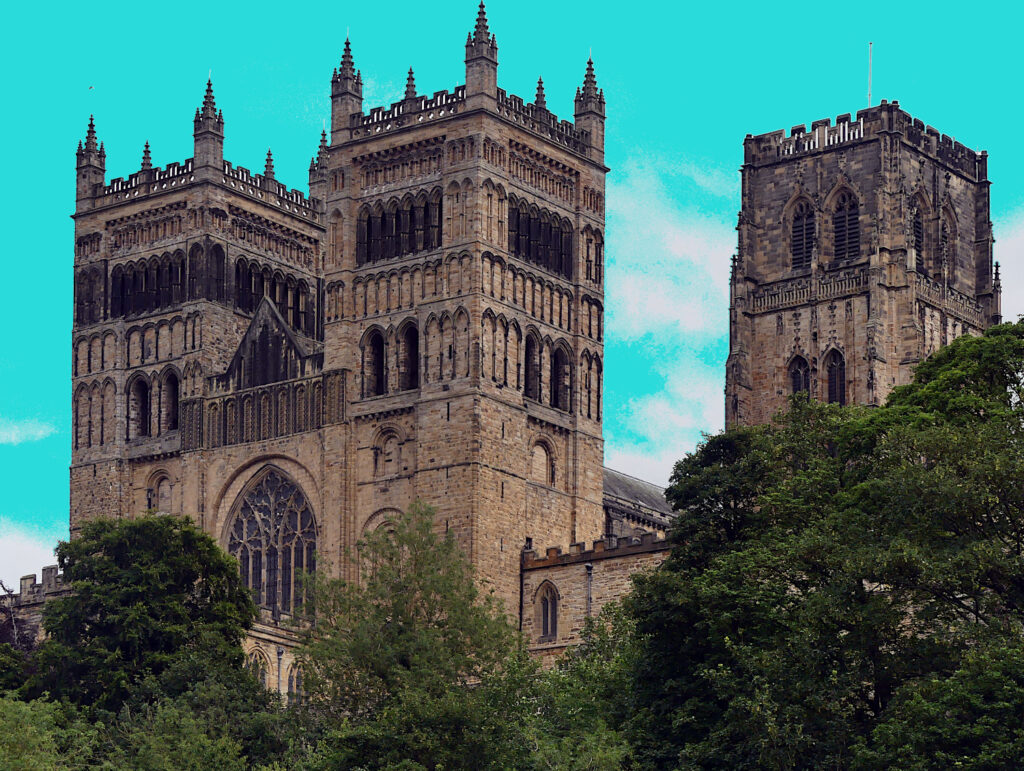
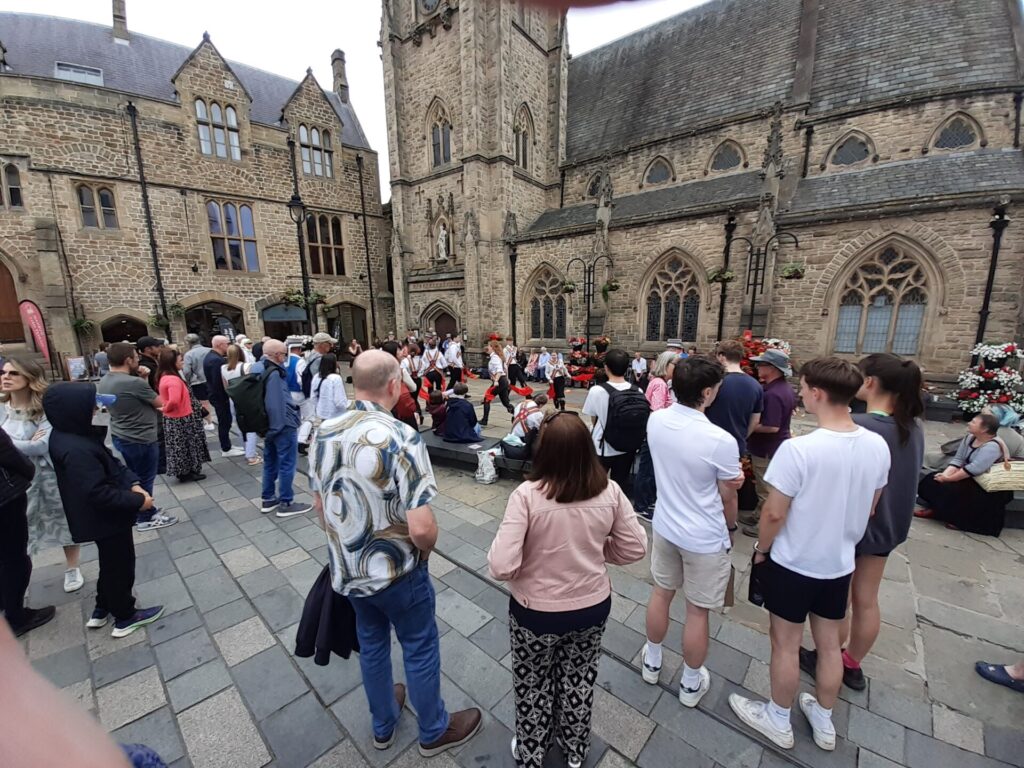
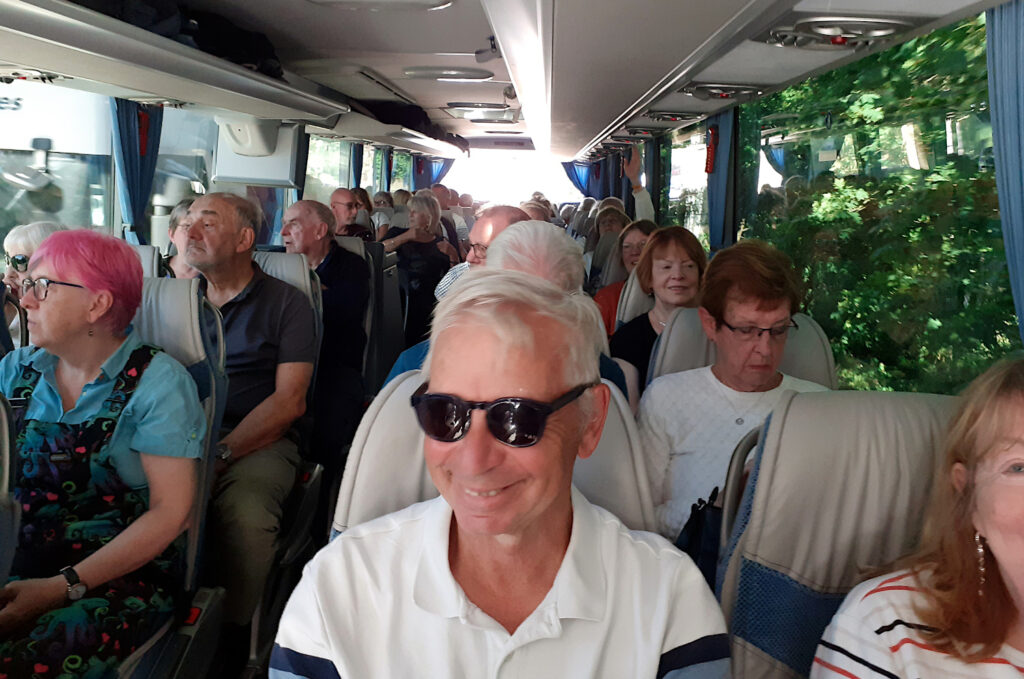
44 members had a 4 day 3 night short holiday break to the Durham Area. On the drive north we stopped at the National trust property -Nostell near Wakefield. The hotel was situated in the centre of Durham. On the Saturday day 2 we had free time in Durham to explore the compact city. Most visited the Cathedral.
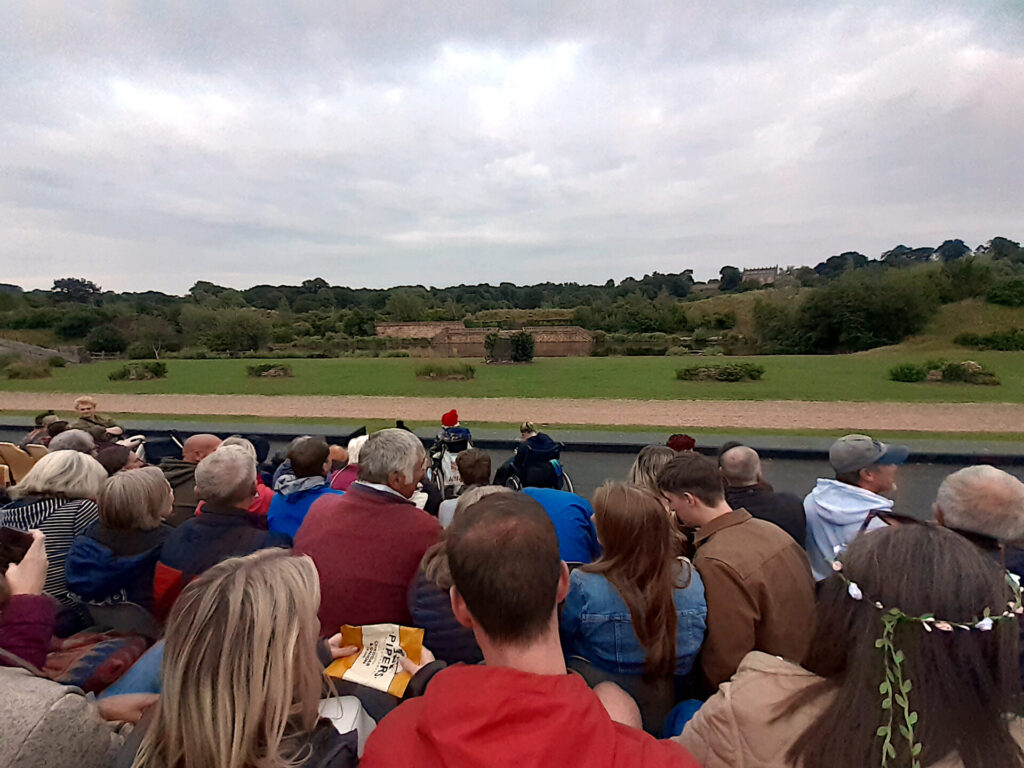
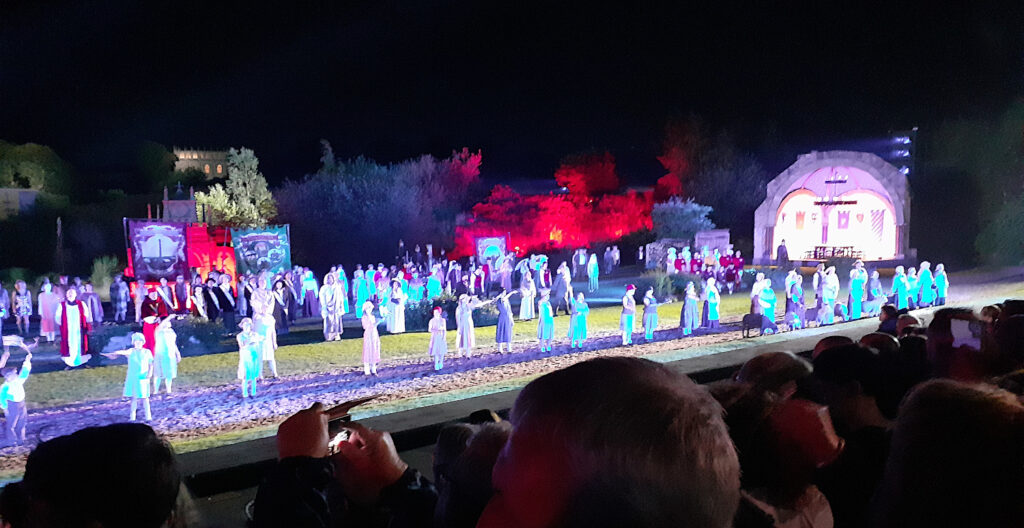
After an early evening meal we boarded the coach for a short trip to the outskirts of Bishop Auckland to attend that evenings spectacular Kynren Show. The performance started as darkness fell. 1000 actors and crew performed acts depicting 2000 years of British history on a 7 acre out door "stage". The performance included galloping horses, a model of George Stephenson's first steam locomotive. The show included pyrotechnics, music and lights. The group left the show with memories that will last a lifetime.
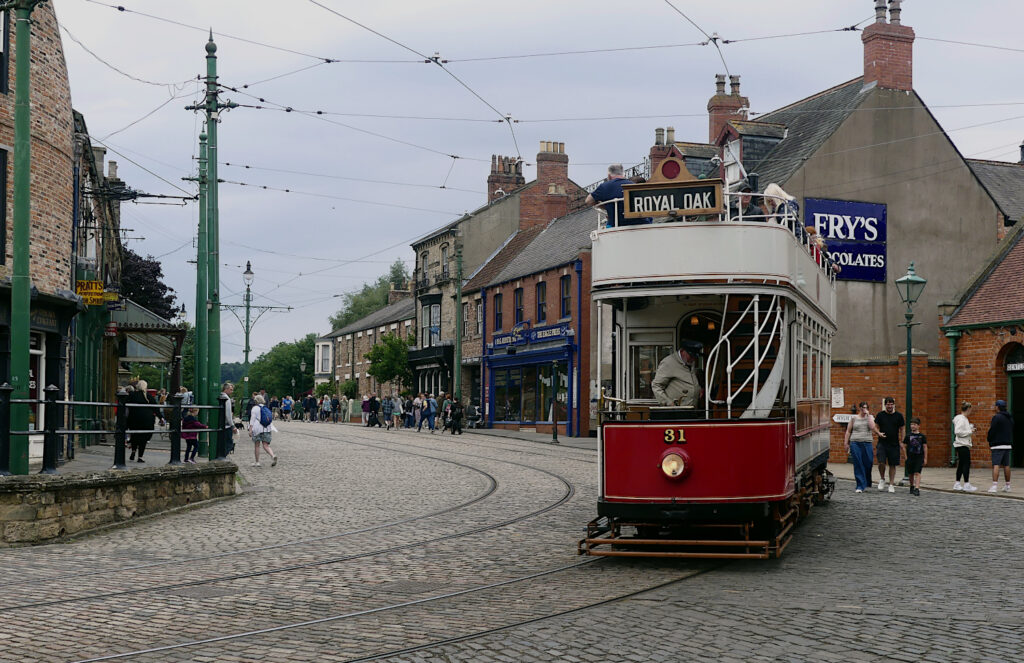
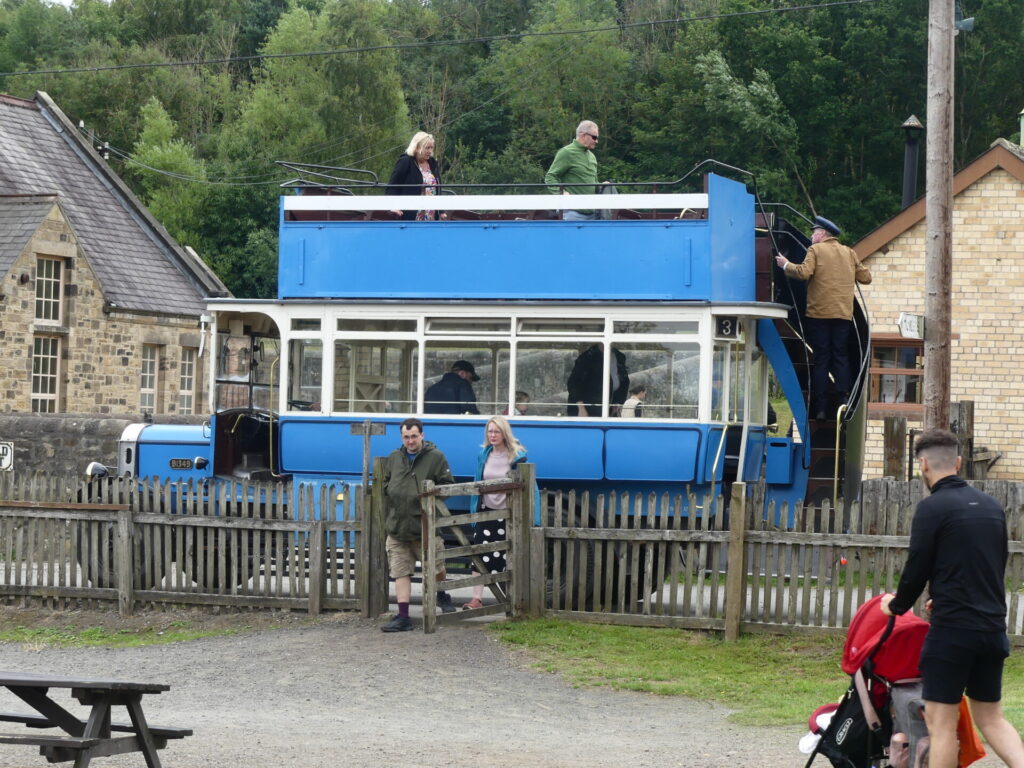
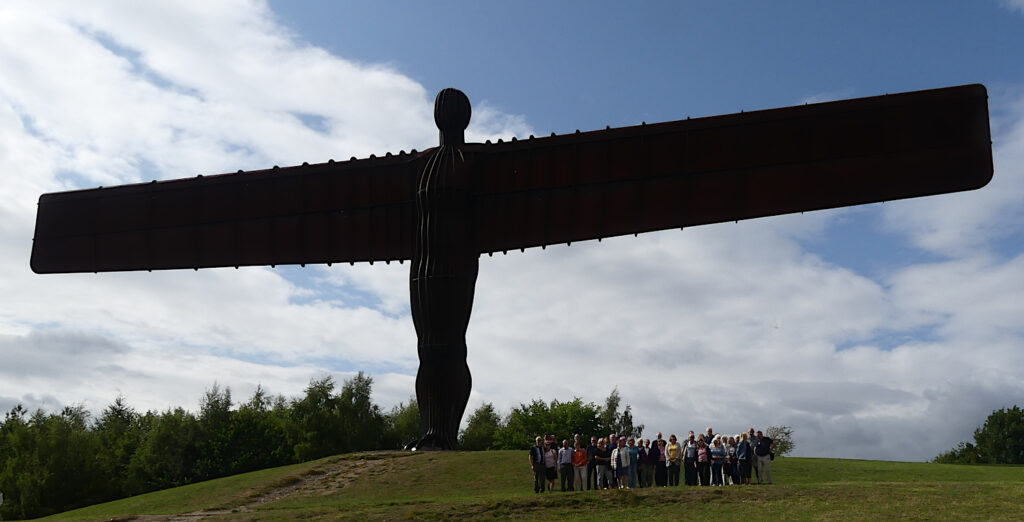
On day 3 we were driven to the Beamish Open Air museum where we spent the day back in history exploring the various villages depicting different historical periods right up to the 1950's. On the way back to the hotel Nick our friendly driver took us the Angel of the North.
On day 4 we left the hotel to head for home. We stopped at another National Trust property Beningbrough near York. We arrived back in Balsall Common after a very successful trip.